





Osteoporosis is the most common type of bone disease, it is characterized by bones becoming so weak and brittle a simple cough can cause a fracture.  About half of all women over the age of 50 are at risk. 

It is preventable but for those who have it, existing treatments for this pathological bone loss mean inhibiting osteoclasts (bone-destroying cells) to limit bone degradation - but by doing so, they also prevent bone formation since it is stimulated by the presence of these very same osteoclast cells.

Everyone has heard of Louis Pasteur - most people know that pasteurization is a process of sterilizing food to make it safer. (1) And today is Darwin Day, when Charles Darwin is fêted for his work on evolution and natural selection.

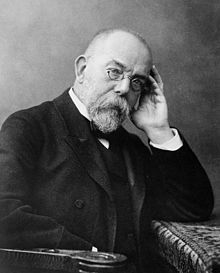
Fewer people have heard of Robert Koch, though he is responsible for keeping billions of people alive in much the same way Pasteur is.

By Tobias Pamminger, University of Sussex

Ants have a reputation of being industrious hard-working animals, sacrificing their own benefit for the good of the colony. They live to serve their queen and take care of all essential tasks including brood care, gathering food and maintaining the nest.

However, not all ant species live up to their reputation. A handful of ant species have figured out a way to outsource all these essential tasks – by exploiting their weaker cousins.

A preprint article by the IceCube collaboration captured my attention today in the Cornell Arxiv, and even more interesting was the main result of the analysis it reports, which can be shown as a "temperature plot" on an equilateral triangle. We will get to that, but let me first explain what is the experiment, what are the goals, and what it is that was measured.

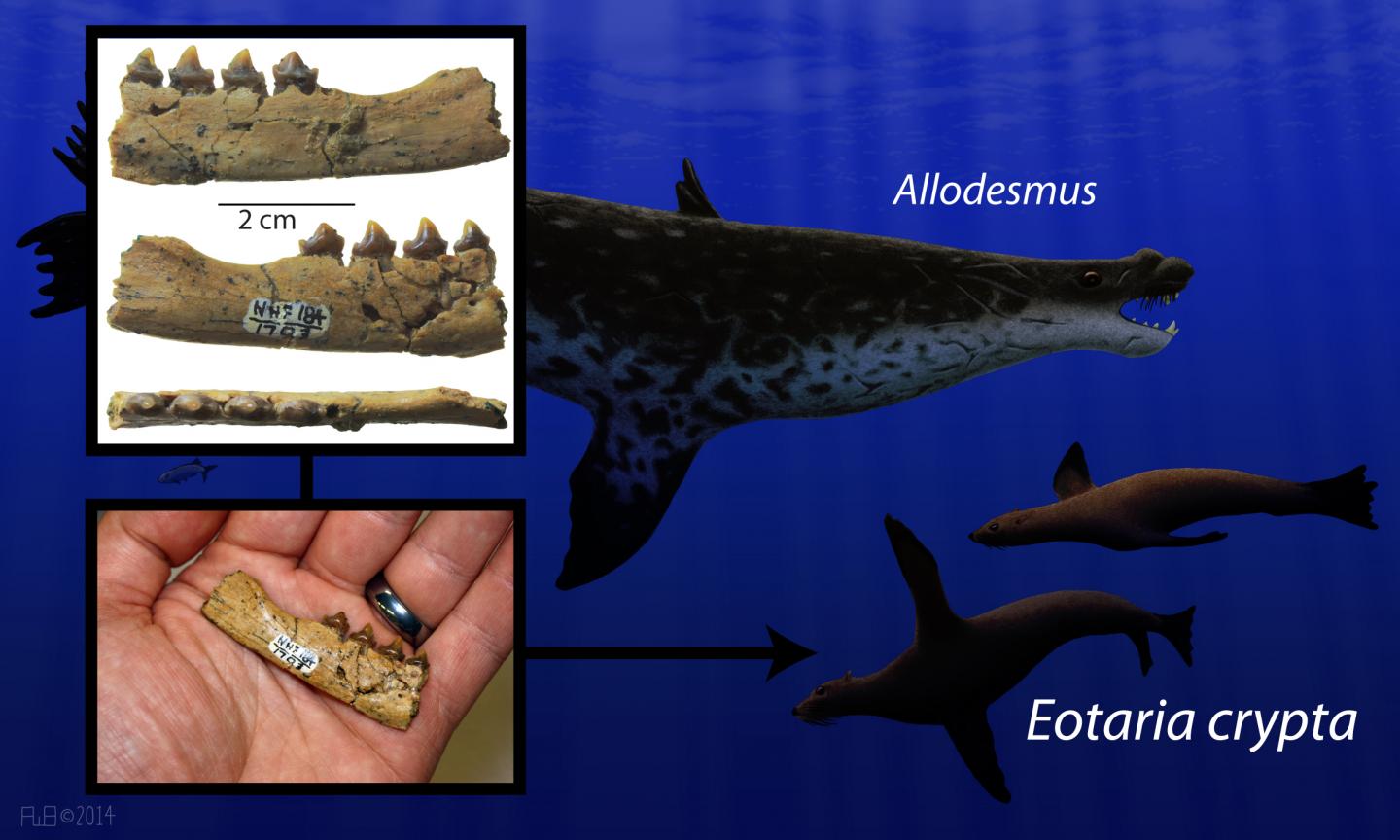
A fossil discovery has provided a missing link that helps to resolve a more than 5-million-year gap in fur seal and sea lion evolutionary history.

This new genus and species of fur seal has been called Eotaria crypta. Eotaria means 'dawn sea lion'. The species was tiny, with adults being only slightly larger than a sea otter and around the size of a juvenile New Zealand fur seal, according to University of Otago graduate student Robert Boessenecker, who found the fossil while looking through the John D. Cooper Archaeological and Paleontological Center. 

Muscles necessary for breathing need a greater amount of oxygen in women than in men, according to a study published today in The Journal of Physiology.

Researchers found that at submaximal and maximal exercise intensities, respiratory muscles (muscles necessary for breathing, such as the diaphragm and muscles surrounding the ribcage) consume a greater amount of oxygen in women compared with men. This means that women use more energy when breathing because a significantly greater part of total oxygen is directed to the respiratory muscles.

Crops and other plants are constantly faced with adverse environmental conditions, such as rising temperatures (2014 was the warmest year on record) and lessening fresh water supplies, which lower yield and cost farmers billions of dollars annually.

Drought is a major environmental stress factor affecting plant growth and development. When plants encounter drought, they naturally produce abscisic acid (ABA), a stress hormone that inhibits plant growth and reduces water consumption. Specifically, the hormone turns on a receptor (special protein) in plants when it binds to the receptor like a hand fitting into a glove, resulting in beneficial changes - such as the closing of guard cells on leaves, called stomata, to reduce water loss - that help the plants survive.

There is no time to waste when it comes to stroke. The more time that passes between stroke onset and treatment, the worse the outcome is for the patient. A study designed to test the benefits of early administration of magnesium sulfate suggests that stroke patients may not have to wait until they get to the hospital for treatment -- paramedics may be able to start therapy as soon as stroke is suspected. Although the drug did not improve outcome in stroke patients, the study demonstrated the feasibility of early therapy in the ambulance. The results were published in the New England Journal of Medicine and the study was funded by the National Institute of Neurological Disorders and Stroke (NINDS), part of the National Institutes of Health.

The folks in Boston might feel like they are having a run of bad weather now, but it's nothing like the intense hurricanes, fueled by warmer oceans, that frequently pounded the region during the first millennium, from the peak of the Roman Empire into the height of the Middle Ages, according to a new study.

