In climate accounting, what is counted and not counted is important.
Former wetlands that have been drained and which are currently used for forestry and agriculture give off 11.4 million tons of carbon dioxide equivalents, which is virtual CO2 for climate accounting, but emissions from drained peatland are not visible since they are included with forest growth.
A new report from the Swedish Board of Agriculture, 'Emissions of Greenhouse Gases from Peatland, says that drained peatlands could be restored into wetlands so to reduce greenhouse gas emissions - drained peatlands that are used for forestry production show that nutrient-rich, well-drained areas of land release more greenhouse gases than nutrient-poor, wetter grounds do.
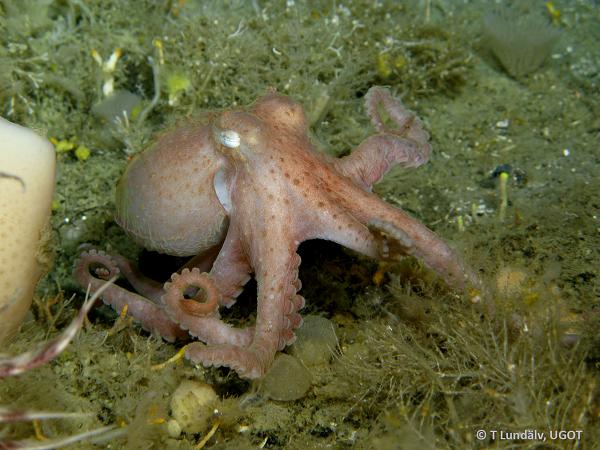
The Antarctic Ocean hosts rich and diverse fauna despite inhospitable temperatures close to freezing. While it can be hard to deliver oxygen to tissues in the cold due to lower oxygen diffusion and increased blood viscosity, ice-cold waters already contain large amounts of dissolved oxygen.
That is why an Antarctic octopus that lives in ice-cold water has evolved specialized blood pigments (e.g. hemoglobin), and why that blue-blooded
benefit could help to make it more resilient to climate change than Antarctic fish and other species of octopus. Octopods have three hearts and contractile veins that pump 'hemolymph', which is highly enriched with the blue oxygen transport protein hemocyanin (analogous to hemoglobin in vertebrates).
A survey on the experience of auditory hallucinations, commonly referred to as hearing voices, found that the majority of voice-hearers hear multiple voices with distinct character-like qualities, with many also experiencing physical effects on their bodies.
In other words,voices in people's heads may be more varied and complex than previously thought. Or they are so subjective as to defy science.
Auditory hallucinations are a common feature of many psychiatric disorders, such as psychosis, schizophrenia and bipolar disorder, but are sometimes experienced by people without a diagnosed psychiatric condition. It is estimated by social scientists that five percent of adults may experience auditory hallucinations during their lifetimes.
Ritalin, Adderall and their ilk are Schedule II controlled substances - the same as cocaine and methamphetamine - but they are widely available on college campuses, thanks to the ADHD diagnosis craze that made prescriptions easy to get and prevalent starting in the 1990s.
As a result, a lot of students are abusing the drugs. How many? 17 percent of all college students, according to a recent literature review.
It's that time of year - the NCAA tournament, called "March Madness", when office pools all across the United States have people researching teams and reading predictions to try and optimize their chances of winning money by predicting basketball games.
They are, sadly, doomed to fail.
Last year, Warren Buffett offered $1 billion for a perfect winning bracket, but the highest scoring bracket among ESPN.com subscribers was still 18 games off - and those people pay to know sports.
More and more animal shelters and zoos have begun playing human music, the kind of fad that people who anthropomorphize animal behavior say works even though there is no evidence.
Now a new study by animal behaviorists has gone beyond that and says while they don't think human music works, music created especially for animals does.
Finally, programming for cats is not just in movies.
Rosacea is estimated to affect up to 16 million people in the United States alone, with symptoms typically including redness, visible blood vessels, and pimple-like sores on the skin of the central face.
Because rosacea affects facial appearance, it can also have a psychological impact on those who suffer from it, according to surveys by the National Rosacea Society.
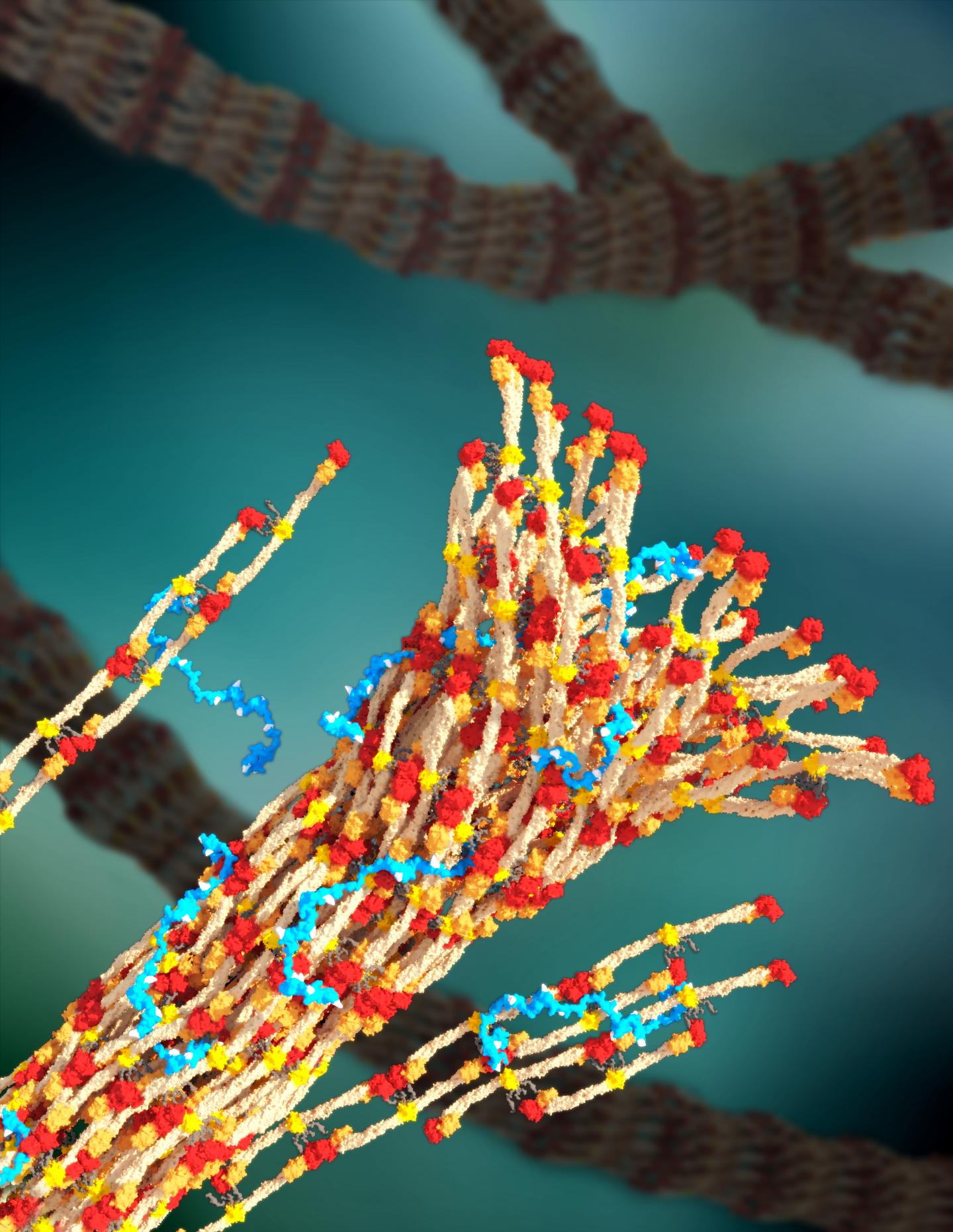
A new injectable polymer
called PolySTAT
strengthens blood clots and that means that soldiers who might otherwise die from uncontrolled bleeding before reaching a surgical hospital could be saved. Likewise for civilian traumas.
A tourniquet won't stop bleeding from a chest wound, and clotting treatments that require refrigerated or frozen blood products aren't always available in the field.
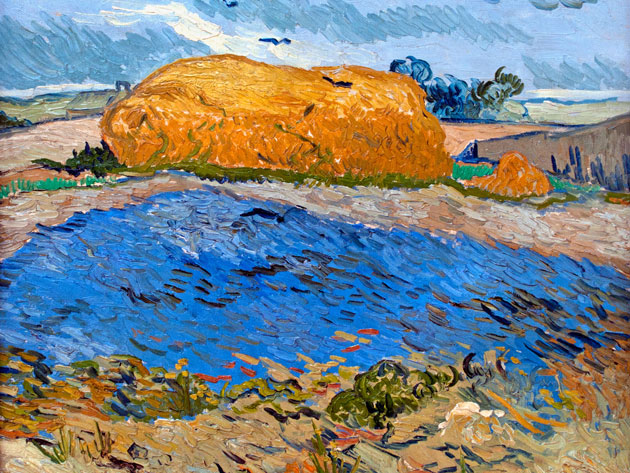
Red lead is familiar to us due to rustproof paint but artists have treasured the brilliant color for its durability since ancient times.
Yet it has limits and now scientists are learning more about why. A combination of X-ray diffraction mapping and tomography experiments at the DESY synchrotron light source PETRA III has shown an additional step in the light-induced degradation of lead red. Key was identification of the very rare lead carbonate mineral plumbonacrite in a painting by Van Gogh.
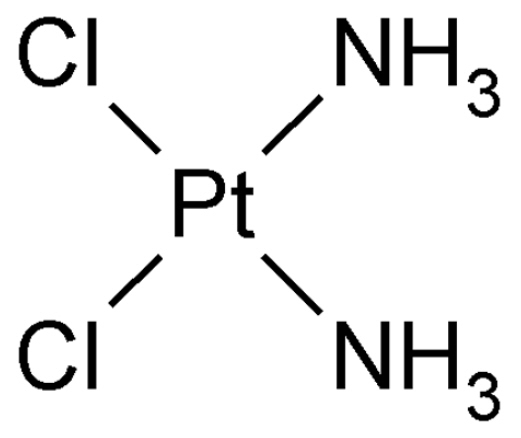
This year marks the 50th anniversary of cisplatin’s accidental discovery as an anti-cancer drug. Despite its horrible side effects, and the ability of cancers to become resistant to it, the drug remains as relevant now as it was when it first reached the market.
And the good news is that the drug can, and is, being made better. New formulations are being designed to make it more effective and less toxic.