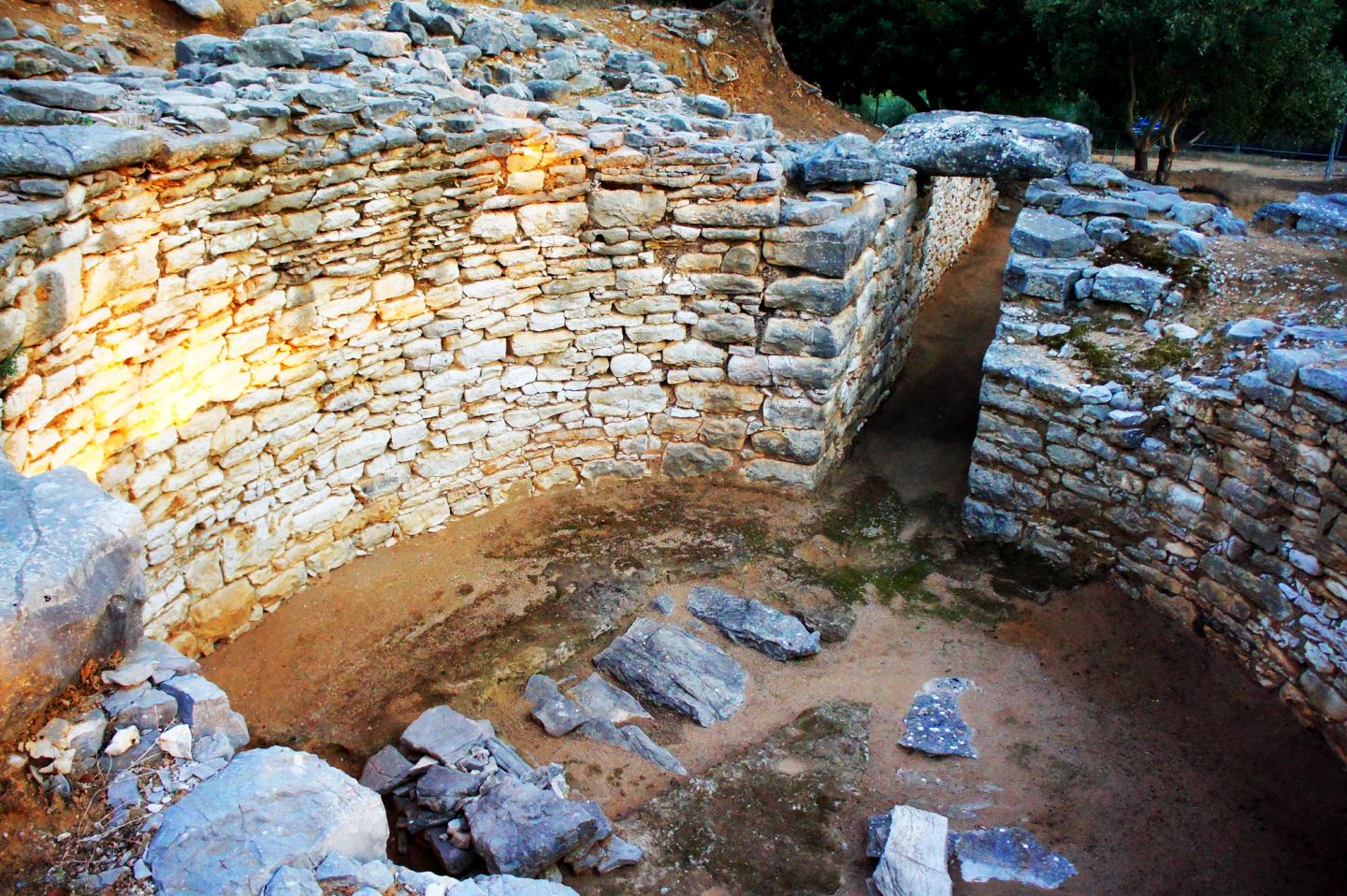




The village of Nichoria in Messenia was located near the palace of Pylos during the Greek Bronze Age, when Greece was considered a Superpower of the Mediterranean. The region thrived on its trade and economic stability, culture, and art and architecture, including great monuments, palaces and writings. The collapse of the Bronze Age (beginning around 1,200 BC), including the abandonment of cities and the destruction of palaces, is known as the Greek Dark Age. 

Nichoria remained through both the Late Bronze Age and the Greek Dark Age, and scholars have suggested that it turned to cattle ranching during the region's collapse. That made sense, the remains of cattle bones are prevalent among bone fragments in the soil. 

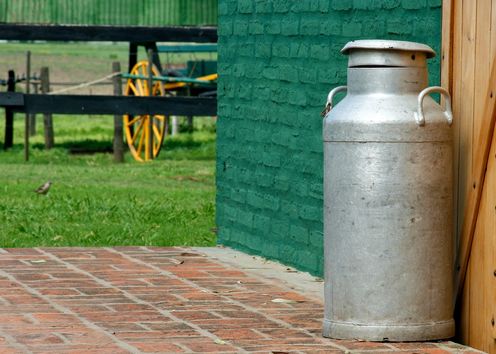
The death of a three-year-old child caused by drinking unpasteurized milk late last year invited much commentary about food safety and regulation. But little has been said about the man who gave his name to the process that makes dairy products, and many other foods, safe for mass production: Louis Pasteur (1822-1895).

Many consumers today feel out of touch with how their food is produced and are disturbed by a lot of what they hear about it through their social networks or other sources of information.

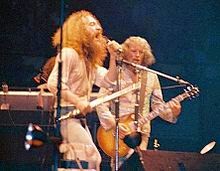
If it is necessary to assign fault for this phenomenon, I think we could blame Jethro Tull.

Ian Anderson and Martin Barre of the more modern Jethro Tull


If we want to maximize creativity, tying cash to creative output is a bad idea. tanakawho/Flickr

By Dan Hunter, Swinburne University of Technology

Imagine you were asked to write a law that encouraged creativity.

What would it look like? Whatever your answer, it’s pretty clear that it wouldn’t look like copyright.

Which is weird, right? Because copyright is supposed to be the law that spurs creativity. The problem, it turns out, is that the central features of copyright are directly opposed to the things that support creativity.

Neutrinos almost never interact, 10,000,000,000,000 neutrinos pass through your hand every second but fewer than one actually makes contact with any of the atoms inside us. 

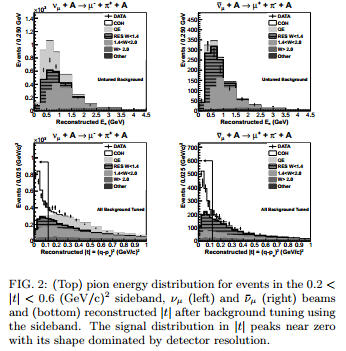
When neutrinos do interact with another particle, it happens at very close distances and involves a high-momentum transfer.  Mostly. Physicists have found evidence that these tiny particles might be involved in a weird reaction, even for neutrinos. A paper in Physical Review Letters shows that neutrinos sometimes can also interact with a nucleus but leave it basically untouched - inflicting no more than a "glancing blow" - resulting in a particle being created out of a vacuum.

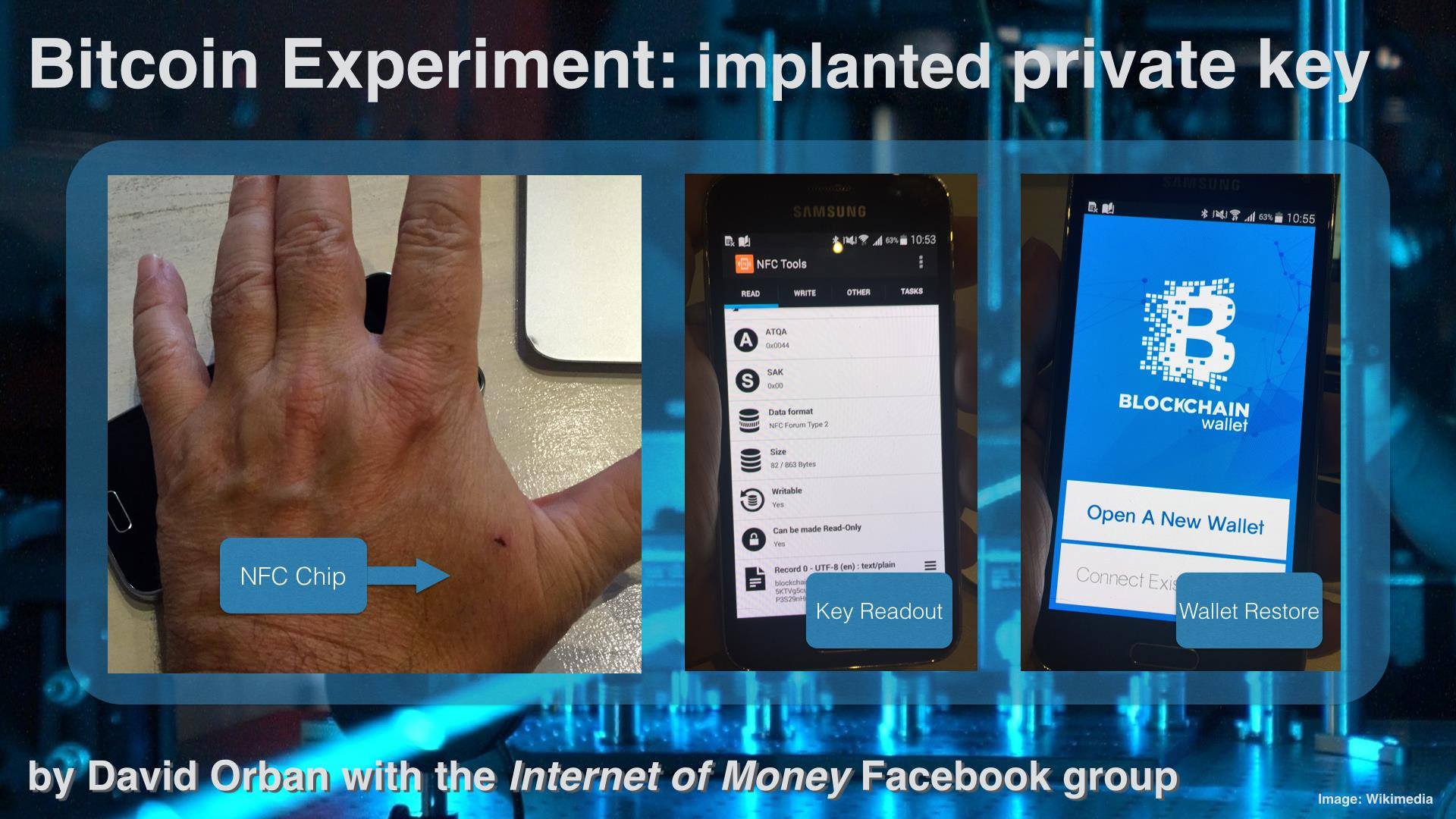
The following is a guest post by David Orban, CEO at Dotsub, faculty and advisor at Singularity University, and trustee of Network Society Research.

When I implanted an NFC chip in my left hand about two months ago at the Singularity University Summit Europe in Amsterdam, I followed the tradition of our species that a hundred thousand years or more ago decided to become a cyborg.

Humans who eat a lot of red meat are known to be at higher risk for certain cancers but other carnivores are not, which is a bit of an epidemiological puzzle, mostly because cancer rates in animals are not well-known.

In a recent study,  University of California, San Diego School of Medicine scientists wanted to  investigate the possible tumor-forming role of a sugar called Neu5Gc, which is naturally found in most mammals but not in humans, and found that feeding Neu5Gc to mice engineered to be deficient in the sugar (like humans) significantly promoted spontaneous cancers.

The study did not involve exposure to carcinogens or artificially inducing cancers, further implicating Neu5Gc as a key link between red meat consumption and cancer. 

It's commonly said that moderate alcohol consumption is good for people, but no one knew why and the determination of moderate was arbitrary.

A new study of 618 Swedes with coronary heart disease and a control group of 3,000 healthy subjects lent evidence to epidemiological curve-matching. The subjects were assigned to various categories based on the amount of alcohol they consumed and were tested in order to identify a particular genotype (CETP TaqIB) that previous studies suggested played a role in the health benefits of alcohol consumption.

The results showed that moderate consumption of alcohol helps protect people  against coronary heart disease
- if they have the genotype.


It's never too late to start balancing the calorie ledger. rangizzz

By Lee Hamilton, University of Stirling

Ready-to-eat desserts such as cakes, cookies, pies, doughnuts, and pastries add a significant amount of energy, sugar, and saturated fat to Americans' diets, making them a strategic target for cultural pundits and the scholars who arm them with epidemiological papers looking to lay blame for obesity.


