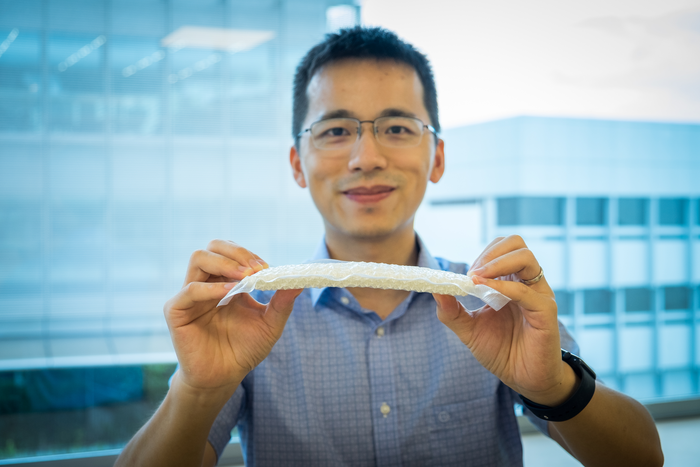





A new lightweight fabric is 3D-printed from nylon plastic polymers comprises hollow octahedrons (eight equal triangular faces) that interlock with each other.

While soft, the fabric can be wrapped within a flexible plastic envelope and vacuum-packed, which makes it rigid - 25 times stiffer or harder to bend. This ‘wearable structured fabrics’ could be optimized to harden automatically, or tuned manually when needed. Modern chain mail, anyone? That LARP weekend just got a lot more fun to watch.
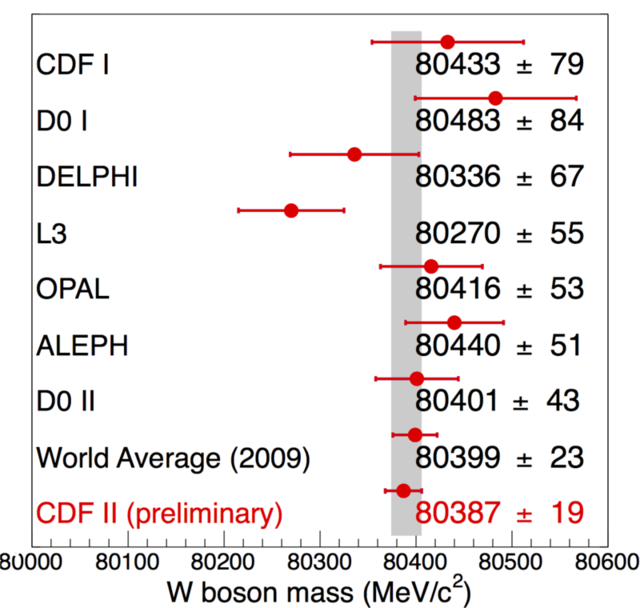
In a recent post I discussed how even the simplest kind of data display graph - the histogram - can sometimes confuse and be misinterpreted. Which is a total howler, as graphs are supposedly means of clarification and immediate, at-a-glance, interpretation of data summaries.
The international Agency for Research on Cancer (IARC) in France was once one of the most respected epidemiology groups in the world. Today, their reputation is in a shambles.

They'd like to fix that, and to humanize their group they have created one of those 'get to know us' things. It's a fine publicity stunt but it does not mask the real problem; they do not want to inform public health, they no longer find carcinogens - they manufacture them.
Urban people may believe nature is balanced and peaceful and pristine but biologists know that nature really just wants to suck the nutrients from your dead corpse.

Insects have more nature to worry about, in the form of the delicate stalk and pretty white flowers of Triantha occidentalis, the first new carnivorous plant to be identified by botanists in 20 years. It is notable for the unusual way it traps prey with sticky hairs on its flowering stem.


Triantha occidentalis in a bog at Cypress Provincial Park, British Columbia, Canada. Credit: Danilo Lima
Nearly 30 years ago, scientists agreed that for clinical trial results to be valid for both sexes, they needed more women.

Yet women seem to be a lot less likely to sign up for clinical trials for cardiovascular disease. The authors of a new paper outline the issue as to why:

Differential Care – Low rates of referral to cardiologists and specialty programs for more aggressive care might lead to fewer women being treated by specialists recruiting for clinical trials.
A fearsome beast soared above the ancient, vast inland sea once that once covered covering much of outback Queensland. This newly found pterosaur, named Thapunngaka shawi, was discovered in Wanamara Country, near Richmond in North West Queensland.

It's the stuff of nightmares, with a spear-like mouth containing 40 giant teeth and a wingspan around 20 feet.

We may imagine it to be like a big bird or a bat but that is not so, according to University of Queensland doctoral student Tim Richards: "Pterosaurs were a successful and diverse group of reptiles – the very first back-boned animals to take a stab at powered flight.”

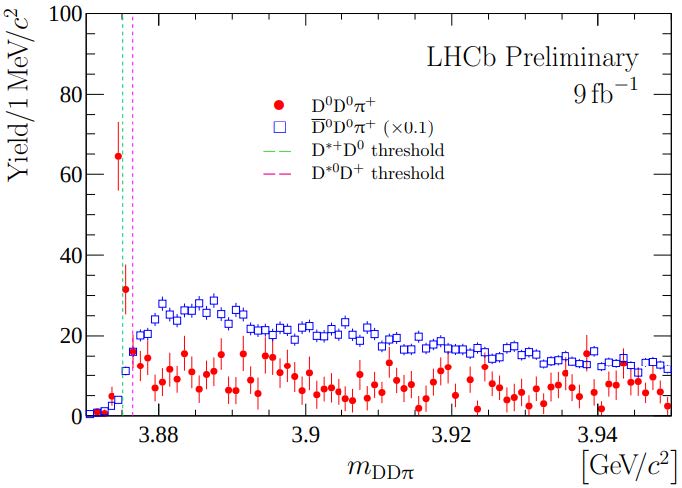
The discovery of a new exotic hadron, named T_cc+,  was announced by the LHCb Collaboration a little over a week ago. Unlike some previous discoveries of other resonances by the LHC experiments (dozens have been announced since 2010 by LHCb, and to a lesser extent by CMS and ATLAS) the one of the T_cc+ is is very significant and exciting, and it promises to advance our understanding of low-energy QCD, with repercussions across the board.

If you were born prior to 1980, you likely had a parent say that you needed to eat your dinner because people were starving in Africa.

And it was true. The Malthusian boom and bust lamented by Paul Ehrlich, John Holdren, and other doomsday prophets in the 1970s had gripped journalists and therefore popular culture.(1)

Yet beginning in 1980 scientists began to run the table on breakthroughs that have headed off starvation. Now no progressive seriously discusses mandatory sterilization or abortion and a Planetary Regime to enforce them the way Ehrlich and Holdren did in "Ecoscience"; the worry instead is that everyone is getting too fat thanks to science making it possible to grow food so affordably.
I have a pocket watch from the late 1800s. Why or how anyone carried this thing comfortably is a mystery. It is bulky and heavy. I can't have been alone because within just a few decades there was a wave of optimization that can best be compared to cell phones; even low-cost watches became small, light, and they kept great time. A pocket watch from the 1930s or '40s can often be found on my person, never the big heavy thing.

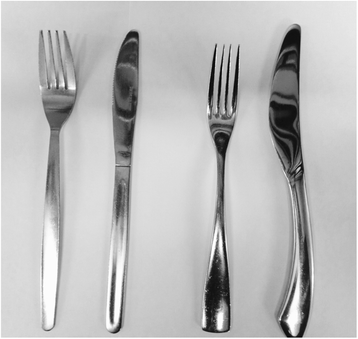
I don't like dainty coffee cups or a salad fork and I like a heavy blanket. Though recent trends had been toward smaller and lighter, I am not alone in preferring heft. People have started to love weighty stuff again.
Though we're at the tail end of the third coronavirus pandemic of the last 18 years, and a billion people in the world still use wood and dung for energy, and some people still starve, things are better than ever before. 

The mountains and valleys of feast and famine have tapered into gentle hills and science has made it possible for previously inhospitable regions to grow food.  That has meant prosperity. A decade ago the World Health Organisation set targets for income among the poorest, and those targets were met far ahead of schedule.

