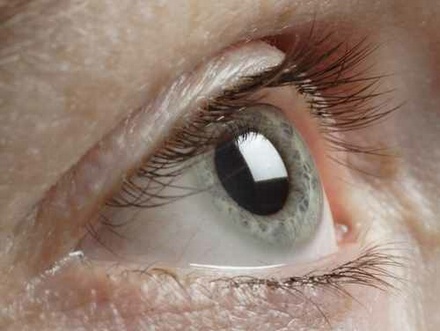




Often the topic of controversy, stem cells research has once again proved itself necessary. University of Florida researchers were able to program bone marrow stem cells to repair damaged retinas in mice.

The success in repairing a damaged layer of retinal cells in mice implies that blood stem cells taken from bone marrow can be programmed to restore a variety of cells and tissues, including ones involved in cardiovascular disorders such as atherosclerosis and coronary artery disease.

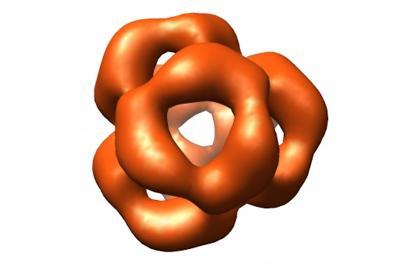
The human eye lens consists of a highly concentrated mix of several proteins. Protective proteins keep them from aggregating and clumping. If this protection fails, the lens blurs and the patient develops cataracts. Two research groups at the Department of Chemistry of the Technische Universitaet Muenchen (TUM) have succeeded in explaining the molecular architecture of this kind of protective protein. Their findings, which are published in PNAS (Proceedings of the National Academy of Sciences).

Every day we make a multitude of decisions based on the consequences of our actions; goal-orientated responses.

In an always changing environment this capacity is crucial but, because it is complex, it also requires a lot from the brain. So repeated actions, like to press the elevator button to our floor, become linked to other type of neural responses, which are automatic and so less demanding. And if necessary it is always possible to switch back to the first kind of response.

The effects of amphetamines on gene expression in zebrafish have been discovered. This new study, published in BioMed Central's open access journal Genome Biology, provides clues to the genetics that underlie susceptibility to addiction by describing the nad zebrafish mutant, which does not feel the rewarding effects of the drugs.

Ever since graphene was discovered in 2004, this one-atom thick, super strong, carbon-based electrical conductor has been billed as a "wonder material" that some physicists think could one day replace silicon in computer chips.

But graphene, which consists of carbon atoms arranged in a honeycomb lattice, has a major drawback when it comes to applications in electronics: it conducts electricity almost too well, making it hard to create graphene-based transistors that are suitable for integrated circuits.

In Physics World, Kostya Novoselov--a condensed-matter physicist from Manchester University--explains how their discovery of graphane, an insulating equivalent of graphene, may prove more versatile.

Stem cell researchers trying to understand the mechanisms that determine whether stem cells divide or differentiate, and what types of cells they become and how to control them to develop new treatments, may have gotten some much needed help.

Investigators at the Burnham Institute for Medical Research (Burnham) and The Scripps Research Institute (TSRI) have made a comparative, large-scale phosphoproteomic analysis of human embryonic stem cells (hESCs) and their differentiated derivatives. The study was published in the journal Cell Stem Cell.

CAMBRIDGE, Massachusetts, July 30 /PRNewswire/ --

With the voice market shrinking, telecom operators face an opportunity to expand data services in Puerto Rico, as data revenue is expected to more than double by 2014 despite the deep economic contraction, according to the latest report from Pyramid Research (www.pyr.com), the telecom research arm of the Light Reading Communications Network (www.lightreading.com).

Comets contained vast oceans of liquid water in their interiors during the first million years of their formation, argue Professor Chandra Wickramasinghe and colleagues at the Cardiff Centre for Astrobiology in a paper published in the International Journal of Astrobiology

The watery environment of early comets, together with the vast quantity of organics already discovered in comets, would have provided ideal conditions for primitive bacteria to grow and multiply, they say. 

LONDON, July 29 /PRNewswire/ --

- Introduces the Premier Online Venue for the Mobile Communications Industry

SAN DIEGO, July 27 /PRNewswire/ --

Rayspan Corporation, the world's leading innovator of metamaterial air interface solutions for wireless communications, today announced that it has received US$12.5M in a Series B financing led by new investor Khosla Ventures, who was joined by existing Rayspan investor Sequoia Capital as well as individual private investors. The financing will be utilized by Rayspan to accelerate and expand the development and commercialization of its breakthrough metamaterial wireless technology.


