






"Human embryonic stem cells promise unrivalled opportunities. However, they are difficult, time-consuming and expensive to grow in the lab", says Dr. Chris Denning of Institute of Genetics, who is working on research looking at the process that turns a stem cell into a cardiomyocyte - the beating cell that makes up the heart.

The Nottingham researchers are developing a new system to monitor cardiomyocytes in real time as they differentiate from stem cells into beating heart cells. The system uses electrophysiology to record the electrical properties in a cell. The researchers hope that their research could provide more detailed information on the electrical activity of stem cell derived cardiomyocytes.

Twenty-one years after they first described a fatal genetic disorder in Missouri and Arkansas families, scientists at Washington University School of Medicine in St. Louis have linked the condition to mutations in a gene known as TREX1.

The identification will accelerate efforts to understand and treat retinal vasculopathy with cerebral leukodystrophy (RVCL), a rare condition that usually goes unrecognized or is misdiagnosed. In Asian and Caucasian patients with the disease, a complex and ultimately fatal barrage of primarily central nervous system symptoms begins around age 45 that includes vision loss, mini-strokes and dementia. The symptoms can also mimic a brain tumor or multiple sclerosis. After onset, RVCL is fatal in 10 years or less.

Excess nitrogen caused by fertilizers, animal waste, leaf litter, sewer lines, and highways is responsible for contaminating groundwater. It can also cause human health risks when found in drinking water and oxygen depleted water bodies endangering animals that drink from them.

Establishing Riparian buffers is considered a best management practice (BMP) by State and Federal resource agencies for maintaining water quality, and they may be especially critical in controlling amounts of human produced nitrogen.

A new report from researchers at the University of Colorado and Stanford University speculates how unique, lineage-specific gene copy number expansions and contractions in humans may underlie traits such as endurance running, higher cognitive function, and susceptibility genetic disease.

The study provides an overview of genes and gene families that have undergone major copy number expansions and contractions in different primate lineages spanning approximately 60 million years of evolutionary time.

A method for making instant steam, without the need for electricity, promises to be useful for tackling antibiotic resistant ‘superbugs’ like MRSA and C. difficile, as well as removing chewing gum from pavements and powering environmentally friendly cars.

"The value of instant steam lies in creating truly portable steam that can be generated intermittently on demand," says Dave Wardle, business development director at Oxford Catalysts.

Plant scientists have known for some time that genes from the maternal plant control seed development, but they have not known quite how.

Scientists at the University of Oxford have paved the way for bigger and better quality maize crops by identifying the genetic processes that determine seed development.

Working in collaboration with researchers in Germany and France, Professor Hugh Dickinson's team found that only the maternal copy of a key gene responsible for delivering nutrients is active. The copy derived from the paternal plant is switched off.

Stem cells are generally assigned to one of two categories: embryonic or adult. Some researchers say that may be an oversimplification and a new University of Michigan study states that stem cells in the developing fetus are distinct from both embryonic and adult stem cells.

Researchers note that fetal blood-forming stem cells in umbilical cord blood behave differently than adult blood-forming stem cells after transplantation into patients, which would mean that fetal stem cells comprise a separate class.

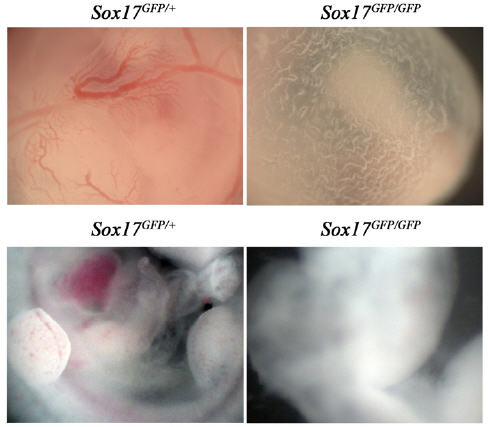
A University of Michigan team has identified the first known gene, Sox17, required for the maintenance of blood-forming stem cells in fetal mice, but not in adult mice.

Drinking malt liquor may put young adults at increased risk for alcohol problems and use of illicit drugs, particularly marijuana, according to a new study of malt liquor drinkers and marijuana use by scientists at the University at Buffalo’s Research Institute on Addictions (RIA).

“In our study of young adults who regularly drink malt liquor,” reports lead researcher R. Lorraine Collins, senior research scientist at RIA, “we found that malt liquor use is significantly related to reports of alcohol problems, problems specific to the use of malt liquor and to marijuana use above and beyond typical alcohol use.”

A recent UN study, Livestock's Long Shadow, basically says you can help the environment more by driving than walking.

The capacity to resist peer pressure in early adolescence may depend on the strength of connections between certain areas of the brain, according to a study carried out by University of Nottingham researchers.

New findings suggest that enhanced connections across brain regions involved in decision-making may underlie an individual’s ability to resist the influence of peers.

The study suggests that brain regions which regulate different aspects of behaviour are more interconnected in children with high resistance to peer influence.

