The first study to evaluate the biodiversity of arthropods in U.S. homes finds that humans share their houses with any of more than 500 different kinds of arthropods - at least on a short-term basis. Arthropods are invertebrate animals with exoskeletons, segmented bodies and jointed limbs, such as insects, spiders, mites and centipedes.

New research published in Applied Physiology, Nutrition, and Metabolism reveals that a high proportion of long-term care residents have a B12 deficiency. Researchers from the University of Waterloo and the Schlegel-University of Waterloo Research Institute for Aging found that the current state of B12 levels for elderly individuals in long-term care facilities in Ontario warrants considering B12 screening at admission in order to ensure effective treatment.

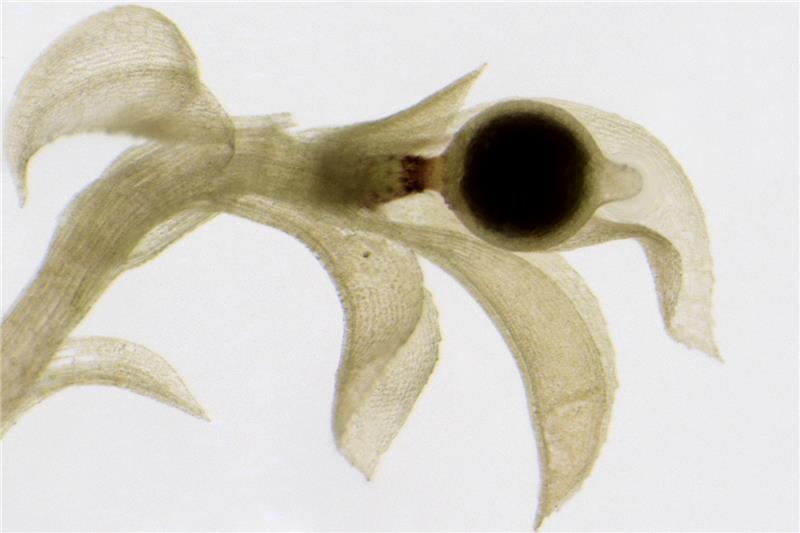
When a sperm and an egg cell merge a new life begins. This is the case in humans and in animals, but in principle also in plants. A team has discovered a gene trigger in the moss Physcomitrella patens which leads to offspring without fertilization and the researchers assume that this mechanism is conserved in evolution and holds the key to answer fundamental questions in biology.

Actually though most of the stories say it is the first flower to bloom in space, and Scott Kelly tweeted it as such, it turns out that there have been several flowers grown in space before, most recently in 2012, but the first such was way back in 1982. It does seem to be the first Zinnia to flower in space.

Here is Scott Kelly's tweet

Latest research reveals why geckos are the largest animals able to scale smooth vertical walls - even larger climbers would require unmanageably large sticky footpads. Scientists estimate that a human would need adhesive pads covering 40% of their body surface in order to walk up a wall like Spider-man, and believe their insights have implications for the feasibility of large-scale, gecko-like adhesives.

A new study in PNAS shows that in climbing animals from mites and spiders up to tree frogs and geckos, the percentage of body surface covered by adhesive footpads increases as body size increases, setting a limit to the size of animal that can use this strategy because larger animals would require impossibly big feet. 

Around 720-640 million years ago, much of the Earth's surface was covered in ice during a glaciation that lasted millions of years. Explosive underwater volcanoes were a major feature of this 'Snowball Earth', according to new research led by the University of Southampton.

Many aspects of this extreme glaciation remain uncertain, but it is widely thought that the breakup of the supercontinent Rodinia resulted in increased river discharge into the ocean. This changed ocean chemistry and reduced atmospheric CO2 levels, which increased global ice coverage and propelled Earth into severe icehouse conditions.

DURHAM, N.C. -- Touch a hot stove, and your fingers will recoil in pain because your skin carries tiny temperature sensors that detect heat and send a message to your brain saying, "Ouch! That's hot! Let go!"

The pain is real and it serves a purpose, otherwise we'd suffer greater injury. But for many people with chronic pain, that signal keeps getting sent for months or years, even when there is no clear cause.

Now, researchers have discovered the structure of a protein linked to pain and heat perception. It is an ion channel in the cell surface membrane called TRPV2. This port-like structure plays a role in a number of disparate biological processes, such as maintaining a healthy heart, helping dispose of pathogens and inducing cell death in certain cancers.

The majority of citizens in developed countries should not be concerned by potential harm from exercise but rather by the lack of exercise in their lives, according to a clinical perspective published today in the Journal of the American College of Cardiology from the ACC Sports and Exercise Cardiology Leadership Council. According to the council, small amounts of physical activity, including standing, are associated with a lower risk of cardiovascular disease, but more exercise leads to even greater reduction in risk of death from cardiovascular disease.

A new app called QUiPP could help doctors to better identify women at risk of giving birth prematurely. The app, developed at King's College London, was tested in two studies of high-risk women being monitored at ante-natal clinics.

Researchers at the RIKEN Brain Science Institute in Japan have discovered how to reverse the abnormal axonal development characteristic of CFEOM3, a congenital disease that affects the muscles that control eye movements. Published in Nature Communications, the work shows how creating a specific mutation rescued abnormal axonal growth in the developing mouse brain.


