


 In the United States, there are calls from the environmental fringes to put more labels on food - but not for a USDA federal standard label on GMOs, mandatory ones chosen by lobbyists in state governments.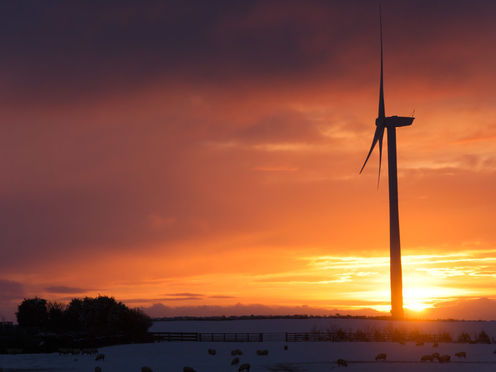
 The UK’s onshore wind power industry may have been dealt a huge blow by new government policies announced last week, but this apparent setback should instead be seen as an opportunity. Elsewhere in Europe local, cooperative wind power is flourishing – could your town be next?

 Earlier in the year the world was finally treated to some good news from science: a report was published that claimed to show that


 Haskell Karp was 37 when he suffered his first heart attack, and over the next ten years he suffered a variety of related problems. By 1969 even the slightest effort, like combing his hair or brushing his teeth, would bring on chest pain or extreme shortness of breath.
 Know Science And Want To Write?
Apply for a column: writing@science20.com
Donate or Buy SWAG
Please donate so science experts can write
for the public.
At Science 2.0, scientists are the journalists,
with no political bias or editorial control. We
can't do it alone so please make a difference.
We are a nonprofit science journalism
group operating under Section 501(c)(3)
of the Internal Revenue Code that's
educated over 300 million people.
You can help with a tax-deductible
donation today and 100 percent of your
gift will go toward our programs,
no salaries or offices.

- E. Coli Linked To Diabetic Foot Infections Gets Worldwide Analysis
- Letter To A Demanding PhD Supervisor
- I Earned It, You're Privileged - The Paradox In How We View Achievement
- More Meat, Less Carbs, And No Raw Milk - The New Dietary Guidelines Are Better Than Expected
- Misinformation Common Among Women With Breast Cancer
Interesting insights from outside Science 2.0
