




The Environmental Protection Agency appears to be punting a final decision on the safety of a controversial weedkiller into the next administration.

Since 2009, the agency has been conducting a registration review of glyphosate - one of the world most widely-used herbicides - and its risk to human and environmental health, an assessment required every 15 years.

By some estimates, about 2 billion tons of food, about 50 percent of all the food produced on the planet, is wasted before it ever reaches a human stomach.

That's bad, but science, like apples and potatoes that look more appealing for a longer time, can fix some of that, while better pesticides and scientific optimization can improve yields at the agriculture stage, if environmentalists would stop terrorizing people about food.

Yet a survey by the International Food Information Council (IFIC) Foundation finds something more worrisome now; many Americans are shockingly unaware of their own roles in contributing to the problem,.

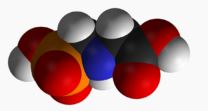
The story of phosphoethanolamine (PHOS) in Brazil, which set off a widely publicized scientific debacle about the dangers of taking unproven compounds as medicines, shows once again that just because some miracle cure is touted in a foreign country doesn't make it real.

This fact is in defiance of anti-science groups convinced of an FDA/Big Pharma conspiracy against cures, but America remains the gold standard for legitimacy, and with good reason. While cancer patients and their advocates may find the process of cancer drug discovery to be opaque or frustrating, the authors of the policy paper argue that the process is an essential part of clinical research.
In a recent paper, of 81 overweight and obese women with type 2 diabetes who usually consumed diet beverages and were on a weight loss program, those who substituted water for diet beverages after their lunch for 24 weeks had a greater decrease in weight (-6.40 vs. -5.25 kg) and body mass index (-2.49 vs.

Imagine that there is a discovery by one of us humans allowing the full-blown creation of holographic simulations in which whole lives are born, live, and die – but all without self-awareness. They have no real meaningful perception of the world. They simulate sentience, yet they do not really have self-awareness, they just act and talk like they do, going through the motions with robotic design perfection - but, it is all cartoon stuff.

*  *  *  *  *

A novel computational approach to design has created a new compound that in laboratory studies has reduced deficits and neurodegenerative symptoms that underlie Parkinson’s disease.

In their study, the researchers describe how their compound, dubbed NPT100-18A, prevents the binding and accumulation of alpha-synuclein or α-syn in neuronal membranes, now considered a hallmark of Parkinson’s disease and a related disorder called dementia with Lewy bodies.

Researchers have demonstrated the ability to deliver a fully functional copy of the CLN3 gene to stem cells of patients with juvenile NCL, an inherited neurodegenerative disease in which a mutation in the CLN3 gene causes early-onset severe central vision loss. The gene therapy restored production of CLN3 protein in the stem cell-derived retinal neurons, as described in an article in Human Gene Therapy.

Invasive plants are a problem around the world, but are they just a nuisance or are they killers? So far there are no documented cases of native plants becoming extinct purely because of an alien plant invasion. However, researchers Paul Downey and David Richardson argue in a paper published this month in AoB PLANTS, 'Alien plant invasions and native plant extinctions: a six-threshold framework', that traditional methods of modelling extinction do not work well for plants. Focusing purely on extinction can distract plant conservationists from growing problems. Instead they propose six thresholds that species cross before they become extinct.

Chocolate or apple? Most people are in two minds when buying food: one motivation is to purchase whatever tastes best – so something that is generally sweet or fatty. At the same time, we know attention should be paid on health factors and, for instance, making sure we don’t consume too many calories. A new survey finds that if the packaging information also features food traffic light colors, fewer products are chosen purely based on taste and more based on health aspects compared with nutritional information purely in percentages and grams.

Not that many years ago, many reusable food and beverage containers on the market worldwide were made from polycarbonate plastic.  Polycarbonate, which is made from bisphenol A (BPA), is an almost ideal material for these products since its clarity is comparable to glass, making it easy to see what’s inside, and it’s virtually shatter-proof – an important attribute for consumer products that could be dropped.

