


In two weeks I will be talking at TEDx Flanders, in the magnificent theatre of the Flemish Opera of Antwerp, Belgium. I can't wait, of course, and I have prepared a presentation which is hopefully going to be digestible, but I would hope enjoyable, for the thousand total outsiders who will listen to it in-between a couple dozen other extremely interesting performances and talks. The program is indeed quite diverse and exciting, and the event will last the full day of Saturday, Sept. 24th.
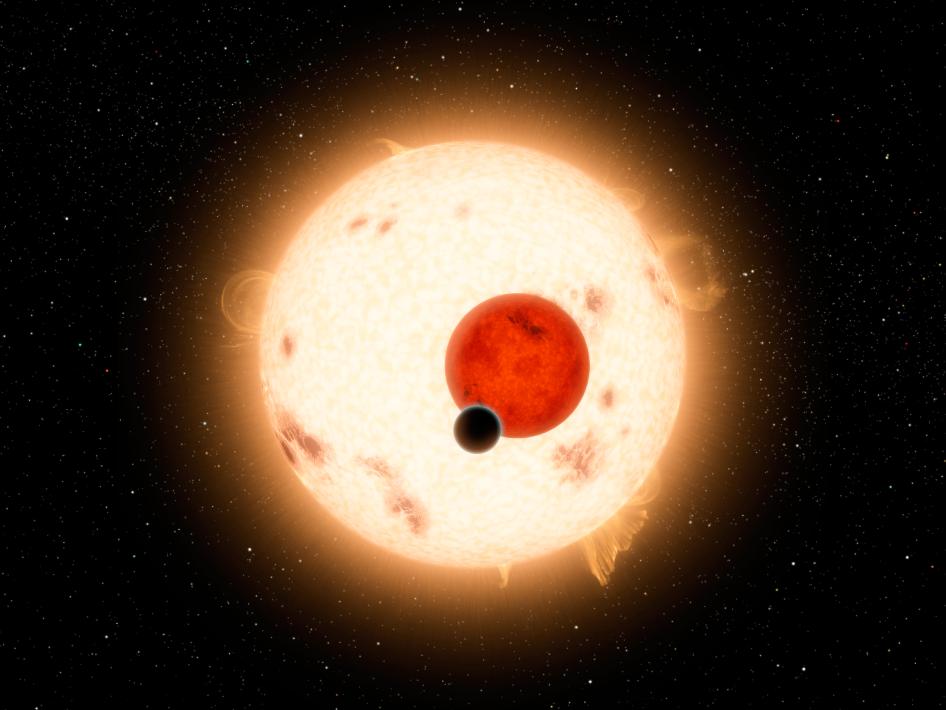
A terrific scene in "Star Wars" - when "Star Wars" universe was still good(1) - was the double sunset on Tatooine.  It wasn't the first time it was done but the graphics in "Star Wars" were light years ahead of its competition.  Well, parsecs ahead of their time, if you understand physics the way George Lucas did (2).

We may now get to think about what it's like for real, though no one lives on the newly discovered cold and gaseous planet, Kepler-16b in the Kepler-16 system,  which orbits two stars.
Here’s a question for your buddies at the next golf outing or bowling league night: Are we more active because we drink more or do we drink more because we’re more active? Recent research showed that there is a correlation between the two, but could not offer a solid reason.

Either way, another study claims the combination of moderate alcohol use and exercise will help our hearts more than just choosing one over the other.
A giant crococile versus a giant snake in a Colombian coal mine? It sounds even more awesome than "Mega Shark Versus Giant Octopus", except the real life version does not have Debbie Gibson.

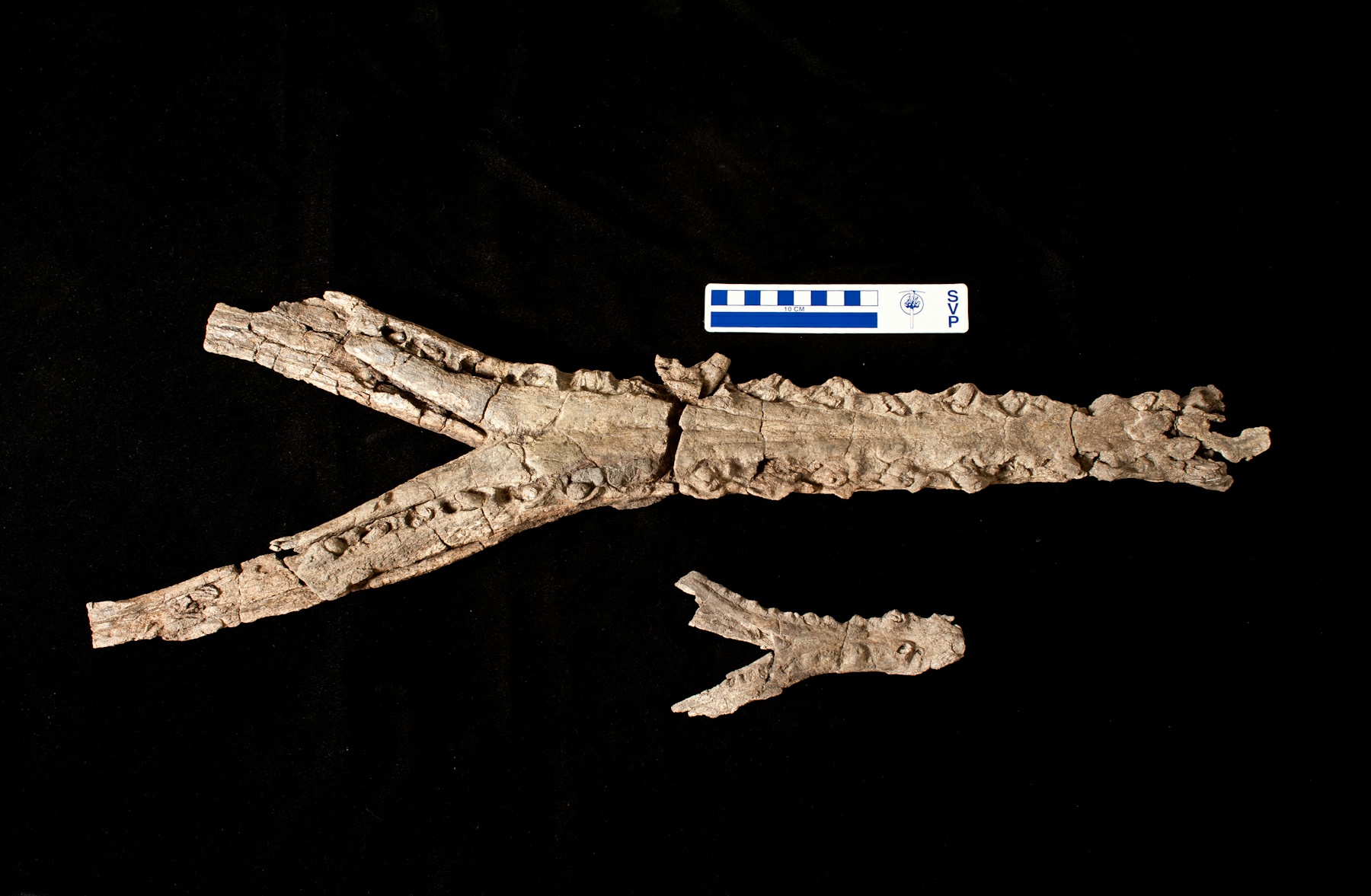
An ancient crocodile relative, a dyrosaurid now named Acherontisuchus guajiraensis, likely gave the world's largest snake a tussle or two. In Palaeontology, University of Florida researchers describe the new 20-foot extinct species which was discovered in the same Colombian coal mine as Titanoboa cerrejonensis, the world's largest snake.

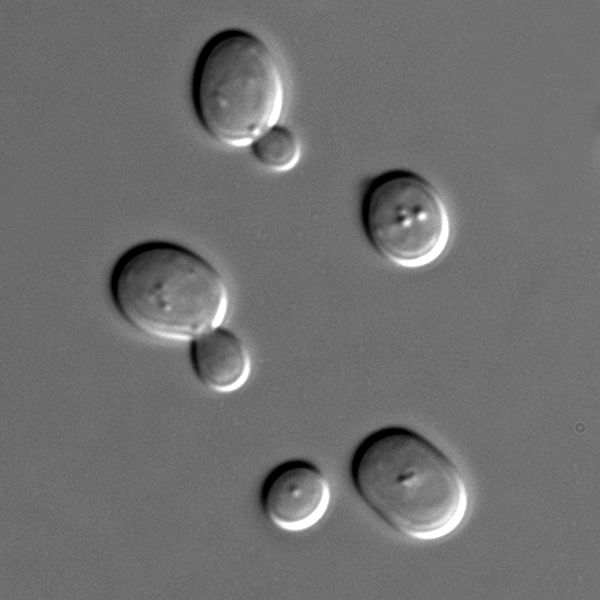
A research team at John Hopkins Medical Institutions has introduced synthetic chromosomes into yeast (Saccharomyces cerevisiae, see figure 1), in an effort to better understand how genomes work, and potentially allow some ‘control’ at genome level. As part of the synthetic yeast genome project, or Sc2.0, the researchers have introduced a synthetic right arm of the ninth chromosome, synIXR, and a partially synthetic left arm of the sixth, semisyn-VIL.


Figure 1: S. cerevisiae.

(Source: Wikimedia Commons, user: Masur)


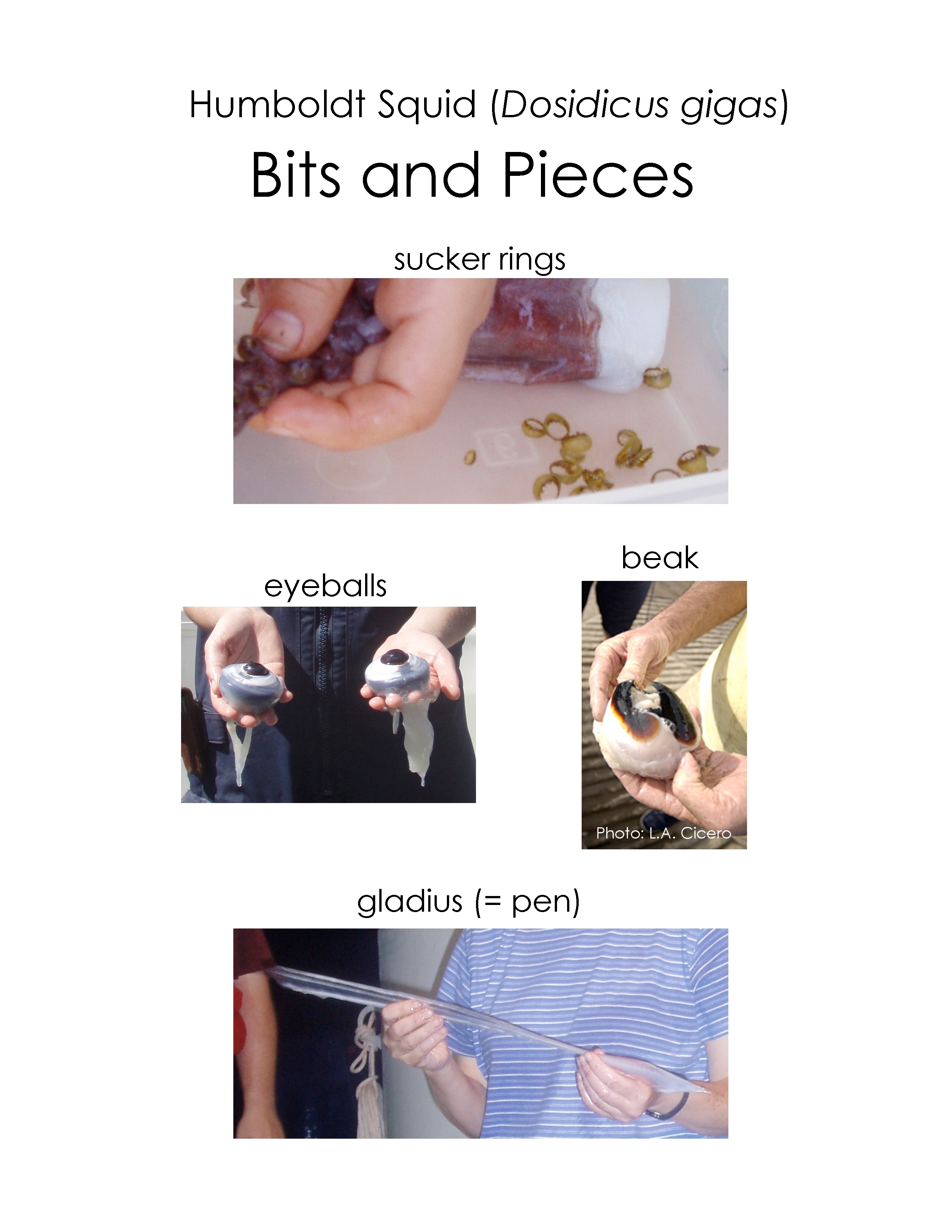
I must have missed that section in the What to Expect books on how to react when your child comes home from school with a Ziploc bag filled with squid parts in his backpack.
Thus begins an entertaining account by Beth Braccio in the Chicago Parent about all the exciting things her son has brought home from school. To her credit, she didn't immediately make him throw the bag of squid away:
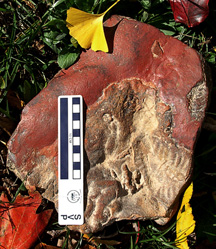
In 1997, Ray Stanford, a citizen scientist dinosaur tracker who often spent time looking for fossils close to his Maryland home, was searching a creek bed after an extensive flood and discovered a fossil which he identified as a nodosaur. 

Nodosaurs have been found in diverse locations worldwide, but they've rarely been found in the United States.  The area had originally been a flood plain, where the dinosaur originally drowned and it was tiny -  only 13 cm long, just shorter than the length of a dollar bill. Adult nodosaurs are estimated to have been 20 to 30 feet long.
Sometimes, when things are bad enough, we'll cave in and buy into concepts and products that we otherwise wouldn't have. As one example, hurt bad enough and you'll try just about anything to ease that pain. And unfortunately, common sense isn't nearly as common as it should be and we are none of us as skeptical as we could be. Except for those Missourians, of course, who live by the motto, "Show me." I'm honestly not too sure of that, though, as "showing" people works all too well or those power bracelets and other pseudoscience-based products wouldn't be so popular.
A 3-D inkjet printer can generate 3-dimensional solids from a wide variety of materials very quickly by applying the material in layers of defined shape and then bonding these layers are with UV radiation.  It can create microstructures but 3-D printing technology is still too imprecise for the fine structures of capillary vessels.

Perhaps not for long.

Researchers at Fraunhofer are applying new techniques and materials to come up with artificial blood vessels in their BioRap project. In the future that may mean artificial tissue and maybe even complex organs in future. 
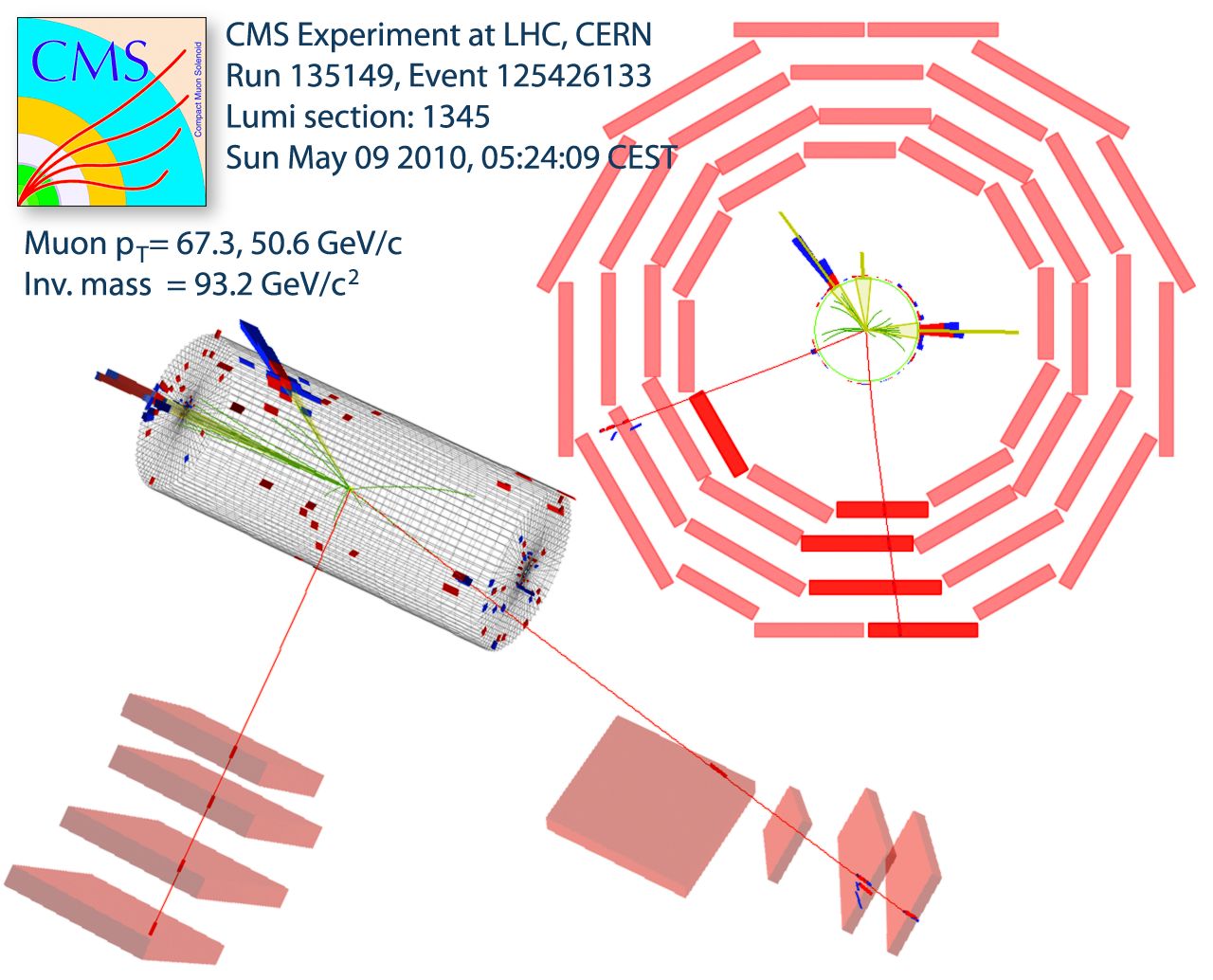
I enjoyed a lot reading a "discussion" prepared by Maury Goodman on the value of "confidence level", discovery thresholds, and what physicists believe or not. If you are a HEP physicist and you want to widen your horizons on the value of statistical claims in experimental results, you are bound to read it. But you might find it thought-provoking and enlightening even if you are a layman, provided you can use three neurons in a row.

A few random excerpts should convince you to read the whole piece:

Manjib:  No reasonable high energy physics will believe a two sigma effect.

