






A survey found that new moms in Canada are weaning their infants early instead of feeding them just breast milk for the first six months of life. 
That falls below recommendations made by the World Health Organization and endorsed in 2004 by Health Canada and the Canadian Paediatric Society. 

The authors surveyed 402 pregnant women at three months postpartum and 300 of them again at the six-month mark, and found that though almost 99 percent of the women started out breastfeeding their babies, only 54 percent were still exclusively breastfeeding three months after giving birth. That number dropped again to 15 per cent by six months, in line with the national average, which is also low for breastfeeding.

    “The heart is a muscular organ that pumps the blood and makes it circulates in the body. Figuratively it refers to sensibility, affection and love.”

- explain Maria do Carmo Araujo Palmeira Queiroz and Juliana Nascimento de Andrade Rabelo Caldas, the Brazilian authors of a recent paper in the journal Anais Brasileiros de Dermatologia.

Arctic summers could be ice-free as early as 2030, said Dr. Mark C. Serreze, director of the U.S. National Snow and Ice Data Center (NSIDC - part of the Cooperative Institute for Research in Environmental Sciences based at the University of Colorado in Boulder) in the briefing for a seminar to be held on Tuesday, July 16th, at 10 a.m. EDT. 

In the session "Environmental Impacts of the Arctic's Shrinking Sea-Ice Cover" he will examine the social and economic effects of the retreat of the Arctic Ice Cap and the opening of the Arctic Ocean.  Registration is open to everyone free of charge.

Scientists and policy makers need all the evidence to make informed decisions about medicines but drug research is an area where privacy concerns and transparency are in conflict.

Brain cancer is the primary cause of cancer mortality in children but even when the cancer is cured, the stress of treatment can be harmful to developing brains.

The search is always on for gentler cures and the PedBrain consortium, launched in 2010, has published the results of the first 96 genome analyses of pilocytic astrocytomas. 

Pilocytic astrocytomas are the most common childhood brain tumors. They usually grow very slowly and are often difficult to access by surgery and cannot be completely removed, which means that they can recur. The disease may thus become chronic and have debilitating effects for affected children. 

If you see commercials for brain-training products, the companies all tout laboratory studies and scientific backing for their products in how they can improve your brainpower.

Most intervention studies like these have a critical flaw, notes a new paper in Perspectives on Psychological Science: They do not account for the placebo effect.

Because the Obama administration's Climate Action Plan focuses on cutting carbon emissions by more fuel mileage regulations for American vehicles and are too narrowly focused on "tailpipe emissions", it is unlikely to help, according to a steel trade group. 

 Mandating more cuts in carbon emissions for America by implementing stricter fuel economy regulations is one of the three pillars of the Obama Administration's Climate Action Plan but Lawrence W. Kavanagh, president of the Steel Market Development Institute (SMDI), said "while this is a sound objective, the Administration's strategy to meet this objective is seriously flawed." 

Yoga improves the mood and mental wellbeing of prisoners, say psychologists who report that after a ten-week yoga course, the convicts reported improved mood, reduced stress and were better at a task related to behavior control than those who continued in their normal prison routine.

Back in 1992, Francis Fukuyama famously argued that the advent of Western liberal democracy spelled nothing less than the endpoint of sociocultural evolution: we have finally discovered the best way to govern people and organize society, and that’s gonna be it.

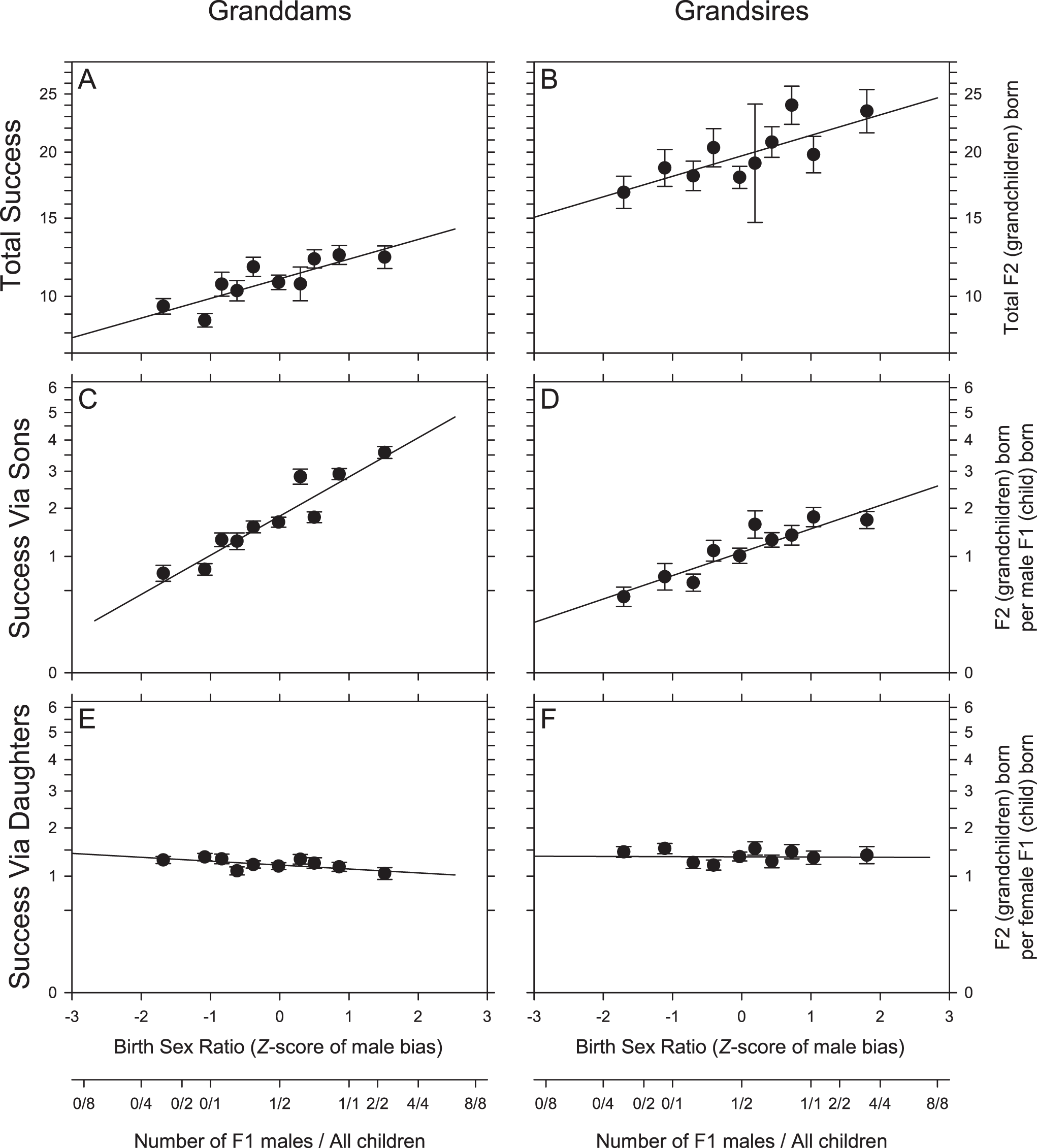
An unknown physiologic mechanism of evolutionary biology has been the ability of mammals to manipulate the sex ratios of their offspring as part of a highly adaptive evolutionary strategy. A new paper analyzing 90 years of breeding records from the San Diego Zoo says that mammalian species can "choose" the sex of their offspring in order to beat the odds and produce extra grandchildren.

