Presenting measurement values together with some educated guess on accuracy or precision is scientific standard. It is very important to any good scientist, so much so that it is basically my religion. Delta (Δ) is my god! Those statisticians who serve sigma (σ) and teach the primacy of it do not understand that delta is the larger one after all (sorry - the pun here is strictly for the geeks among you).
A video posted on A Blog Around the Clock a few days ago discusses the mechanisms behind hydrogen bonding. The first half of the video is visually basic -- simple diagrams to illustrate the points in the narrator's lesson -- and includes things like different colors for different atoms, and star shapes that appear where a bond forms.
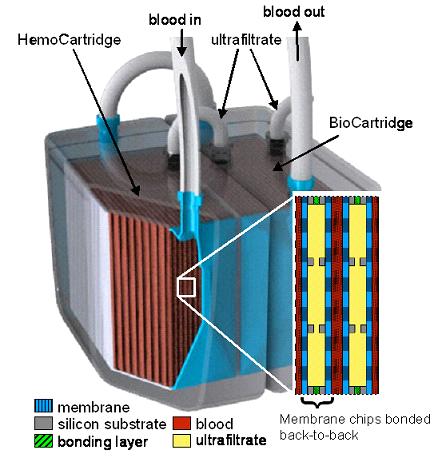
End-stage renal disease, or chronic kidney failure, affects more than 500,000 people per year in the United States alone and is only fully treated with a kidney transplant. 

Yet there were only 17,000 donated kidneys for transplants last year and the number of patients on the transplant waiting list currently exceeds 85,000, according to the Organ Procurement and Transplant Network. 
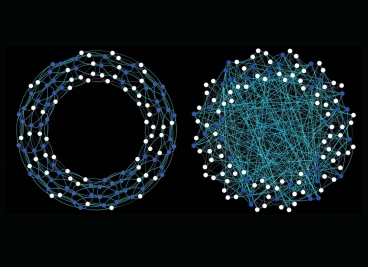
Do social networks which features many distant connections, or "long ties," produce large-scale changes most quickly, as social media lore claims?    No, says a new study by Damon Centola,  assistant professor at the MIT Sloan School of Management.  Instead, individuals are more likely to acquire new health practices while living in networks with dense clusters of connections — that is, when in close contact with people they already know well. 

If you're a print magazine, or in marketing consumer goods, you care about packaging.

The general science magazine "New Scientist" approached neuroscience marketing firm NeuroFocus to test three different cover designs for an August issue of the magazine.

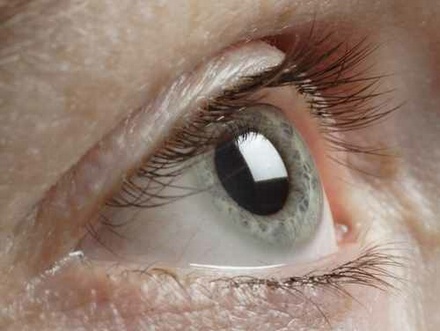
Applying their EEG-based full brain measurements of test subjects' subconscious responses to the three covers, NeuroFocus identified one as clearly superior in terms of its overall neurological effectiveness, saying it scored exceptionally well in emotional engagement, one of their primary metrics, the others being attention and memory retention. 

This neuromarketing research was the first time that the publishing industry used EEG technology to determine the appeal of cover designs.

