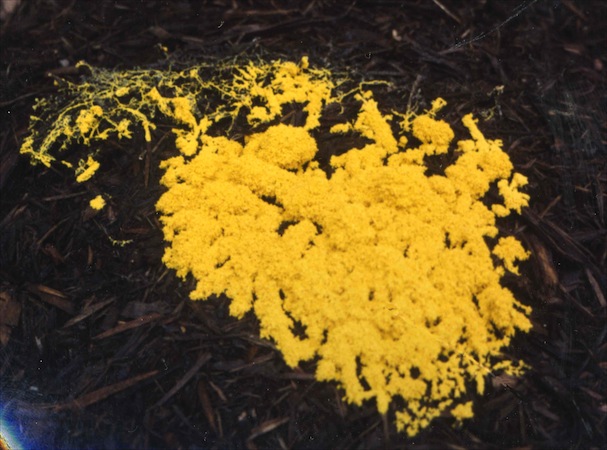
I seem to have developed a reputation for hating networks, but really, it's just tough love. Complex, adaptive, self-organizing networks are fascinating (and inspired the title of this blog), and they deserve a rigorous scientific treatment. Decentralized control mechanisms are incredible, and, although they're all around us, they go completely against our instincts for good, hierarchical design for control systems. How does a cell adapt to environmental signals, in the absence of a brain or CPU? And how do we make our own, human-built networks as self-adaptive and robust as biological ones? In other words (for those of you who've endured lengthy lectures on the subject in physiology class), how do you effectively engineer homeostasis?
So, I was going to blog about the
new baby giant octopus (complete with
webcam!) at the Smithsonian. But, it's not really a squid.
Then I was going to talk about
sperm whales collectively hunting squid, and point out that the BBC made a geographic error. (The study was conducted in the Gulf of California, on the Pacific side, not in the Gulf of Mexico, which is on the Atlantic side.) But that's really about mammals, which is just not what I do here.
Naked Beauty On Paradise Island
Did you notice that I posted this article under 'geology'. That's because it's about geology. You know - rocks and fossils. This article is also about one of the last unspoiled regions on Earth - Antarctica. So sorry to disappoint.