







Acupuncture is as effective and longer-lasting in managing the common debilitating side effects of hot flashes, night sweats, and excessive sweating (vasomotor symptoms) associated with breast cancer treatment and has no treatment side effects compared to conventional drug therapy, according to a study presented September 24, 2008, at the American Society for Therapeutic Radiology and Oncology's 50th Annual Meeting in Boston.

Findings also show there were additional benefits to acupuncture treatment for breast cancer patients, such as an increased sense of well being, more energy, and in some cases, a higher sex drive, that were not experienced in those patients who underwent drug treatment for their hot flashes.

WILMINGTON, Massachusetts, September 22 /PRNewswire/ --

Xenon Corp., a company internationally recognized as a leader and pioneer in the field of Pulsed Light systems, might have found the silver bullet that researchers have been seeking to increase vitamin D in their fight against disease.

It's called Pulsed light. It's brighter than the sun and in short pulses -- flashed on mushrooms -- increases the vitamin D content in mushrooms substantially.

LONDON, September 22 /PRNewswire/ --

- Distribution of Eurex(R) Derivatives, Deutsche Borse Indices and Stoxx(R) Indices Data to Asian Retail Investors Via Blue Mobile(TM)

GLOUCESTER, England, September 22 /PRNewswire/ --

- More Evidence of the Unique Joint-Protection Properties of GOPO(R)

The latest evidence for the unique joint-protection properties of a patented rose-hip powder - which is proving increasingly popular with sufferers of joint conditions such as osteoarthritis (OA) - was announced this weekend (18-21 September 2008) at the OARSI (Osteoarthritis Research Society International) World Congress of Osteoarthritis in Rome. Scientists and doctors from around the world heard the latest results from two major studies exploring the mechanism of action of GOPO(R) - the active ingredient found in only one proprietary brand of rose-hip powder (LitoZin(R)) available in the UK.

VENLO, Netherlands, September 21 /PRNewswire/ --

- QIAGEN's careHPV test provides 'substantially more accurate' front-line screening

A new HPV test developed by QIAGEN specifically for use in regions of the world with scarce resources is "substantially" more accurate in identifying women with cervical disease than the current methods (Pap testing and visual inspection) in these countries. The first published study of patient outcomes with QIAGEN's careHPV test -- developed with support from PATH, a non-profit global health organization -- appears in the October issue of Lancet Oncology.

A study has given new insights into why Oval BA, a giant anticyclone on Jupiter also known as Red Spot Junior, suddenly turned from white to red in a period of just a few months.

The Oval BA is an enormous anticyclone (high-pressure system) that may be compared to a colossal hurricane in the Earth’s atmosphere. Oval BA is half the size of the Great Red Spot and is large enough to contain the Earth inside it.

Oval BA was formed in 2000 by the merger of smaller vortices called the White Ovals in a chain of collisions that started back in 1998. The apparent reddening was first reported by amateur astronomers in early 2006, but it was not until April that professional astronomers were able to image the impressive alteration of the second largest storm in the Solar System after the Great Red Spot (GRS).

There are more bacteria in our bodies than there ever have been people on the Earth. In fact, there are more bacteria in the colon than there are human cells in our bodies. Most of the bacteria in our guts are harmless and many are beneficial to our health. However, for several decades scientists have thought that some microbes living in the gut may play a role in the formation of sporadic colorectal cancer.

Research published in the October issue of the Journal of Medical Microbiology says they have discovered that a molecule produced by a common gut bacterium activates signalling pathways that are associated with cancer cells.

Tetrapods, the first four-legged land animals, have also been considered the first organisms that had fingers and toes but researchers at Uppsala University say that is not the case.

Using medical x-rays, they found rudiments of fingers in the fins in fossil Panderichthys, the “transitional animal,” which indicates that rudimentary fingers developed considerably earlier than was previously thought.

Our fish ancestors evolved into the first four-legged animals, tetrapods, 380 million years ago. They are the forerunners of all birds, mammals, crustaceans, and batrachians (Editor - and reptiles! We have the most eagle-eyed readers anywhere.) Since limbs and their fingers are so important to evolution, researchers have long wondered whether they appeared for the first time in tetrapods or whether they had evolved from elements that already existed in their fish ancestors.

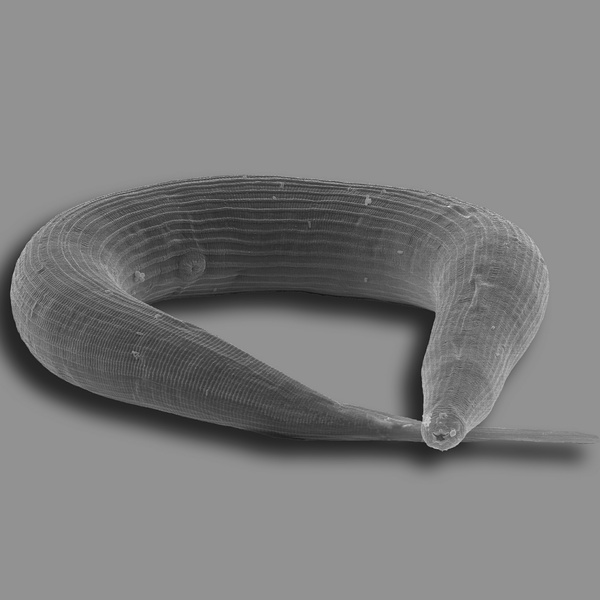
Scientists have decoded the genome of the Pristionchus pacificus nematode and gained valuable insight into the evolution of parasitism.

In their work, the scientists have shown that the genome of the nematode consists of a surprisingly large number of genes, some of which have unexpected functions. These include a number of genes that are helpful in breaking down harmful substances and for survival in a strange habitat: the Pristionchus uses beetles as a hideout and as means of transport, and feeds on the fungi and bacteria that spread out on their carcasses once they have died. It thus provides the clue to understanding the complex interactions between host and parasite.

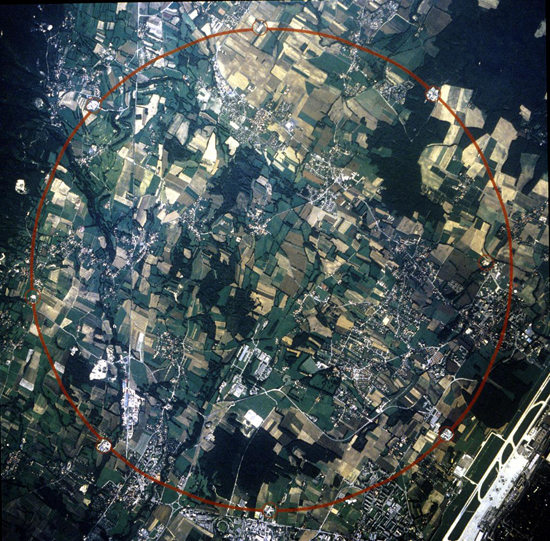
No collisions and no beams either next week at the Large Hadron Collider (LHC). The BBC reported a quench of about 100 superconducting magnets yesterday that heated up as much as 100 Celsius. A ton of liquid helium spilled into the tunnel and the CERN fire brigade went in. Cause of the quenching has not been announced, nor have any injuries been reported.

The fault does not pose any longer-term threat to the LHC. The quench occurred during final testing of the last of the LHC's electrical circuits. Liquid helium leaks vaporize back to a gas almost instantly and would freeze or choke personnel present but no workers were at risk, according to CERN, the European Organization for Nuclear Research, which runs the LHC.


