






A balanced and well-researched Wired article by Jason Kehe reveals the latest "yoo-hoo transmission to aliens"  stunt.  Of course I consider these things to be, at best, dopey, with a small but significant chance of being thoughtlessly dangerous for all of humanity.  Above all, to cast such noises outward, based on untested assumptions, without at least offering to discuss it first with our planet's population and its greatest sages?  That is simply rude.

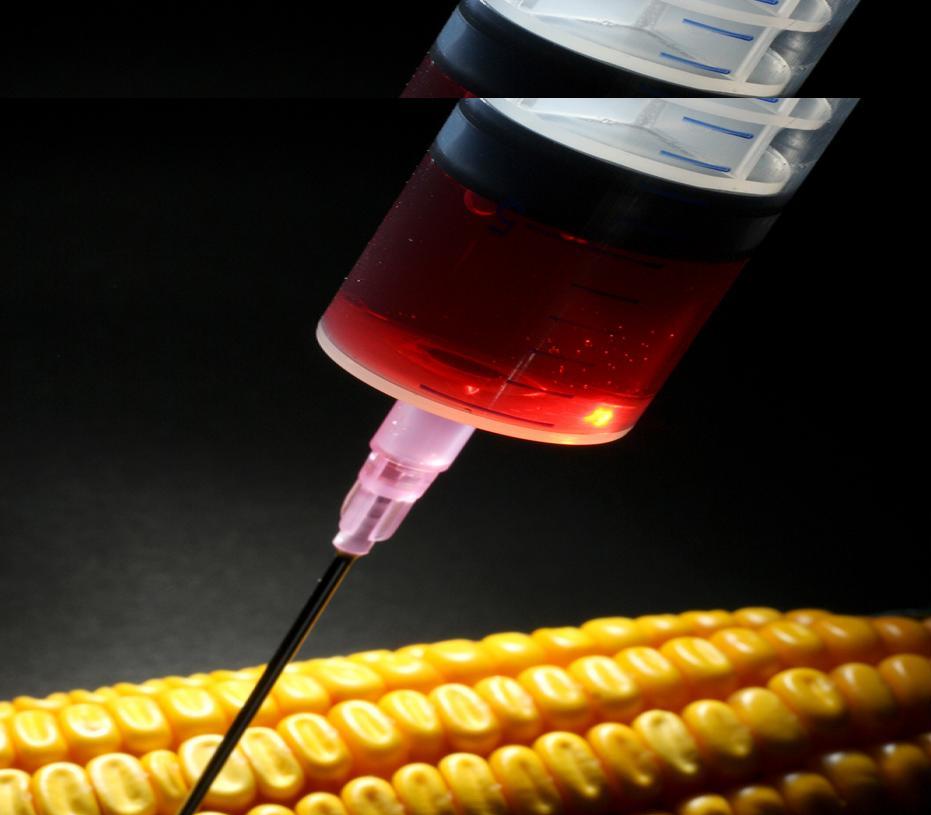
Laboratory modified corn has shown some progress in treating a rare, life-threatening childhood genetic disease. Researchers have been developing enzyme therapeutics for lysosomal storage diseases - rare but devastating childhood genetic diseases – for more than a decade. 

In the most severe forms of these inherited diseases, untreated patients die in early childhood because of progressive damage to all organs of the body and currently, enzyme treatments are available for only six of the more than 70 diverse types of lysosomal storage diseases.

Doctors don't want to be general care physicians, they want to specialize, and it is a problem that will only get worse because it involves money.

Primary care physicians are at the heart of health care in the United States, they are the first to diagnose patients and ensure those patients receive the care they need.  But faced with increased regulations, paperwork, the onslaught of defensive medicine, malpractice costs and staggering medical school bills, many are instead opting to become specialists.

Health Robotics today announced that it has entered the Blood/Plasma Automation Industry by leveraging its technology across the Pharmaceutical and Blood/Plasma industry sectors. They also announced the general availability of embedded Radio-frequency identification (RFID) for its Sterile Compounding Automation solutions i.v.STATION, i.v.SOFT, and i.v.STATION ONCO. These RFID upgrades will be showcased at the upcoming ASHP Midyear Meeting&Exhibition (American Society of Health-System Pharmacists) on December 2-6 in Las Vegas. 

Recently I have been intrigued by James Ladyman and Don Ross’s ideas about naturalistic metaphysics and in the course of my discussion of their book, Every Thing Must Go, I pointed out that those ideas (as the authors themselves recognize) are compatible with one form or another of mathematical Platonism (hear also Ladyman on the RS podcast).

a group of barbie dollsIs oxytocin really evil? No, oxytocin is not evil. But not all of its effects turn you into an angel of bliss.

Science bloggers had a blast a few weeks ago, caviling at Paul Zak's Moral Molecule thesis, digging up an old study showing that soldiers defending their own troops had elevated levels of oxytocin.


Science Left Behind is about the corruption of science writing as a profession. Science writing has become politicized and unfortunately the consumer suffers. Personally, I find it painful to listen to or read a shallow analysis with a partisan slant on science related issues.

If sloppy, agenda-based science is all that is needed for activists to latch on to a belief and never let go, then the anti-GMO contingent may have found its Andrew Wakefield in French biologist Gilles-Eric Séralini. It won't matter that the methods in his latest study are causing biologists all over the world to facepalm, they will insist it must be true and Big Science is the squelching the results.

Things have been very hush-hush over at Modern Meadow since it was disclosed in August that the company had received funding from PayPal cofounder Peter Thiel’s foundation to 3-D bioprint meat and leather.

But in an exclusive interview, company cofounder and CEO Andras Forgacs has broken the silence and revealed some details about Modern Meadow’s goals. Their first project? In vitro leather production. 

“Our emphasis first is not on meat, it’s on leather,” Forgacs says. “The main reason is that, technically, skin is a simpler structure than meat, making it easier to produce.”

