Wealthy elites from Manhattan have been retreating to their vacation homes while year-round residents wish they would stay away. Urban residents are being treated look poor refugees during pandemics, famine, and war. They will bring the problem with them, it is believed. 

While it may seem like an odd stance for progressive elites in the northeast to take about their fellow man, it is likely the first time that these issues were anything except academic to them. And they are not wrong for believing that people from cities are more likely to be carriers.

But while cities are more likely to be carriers, they are also more likely to have infrastructure to handle it.(1) 
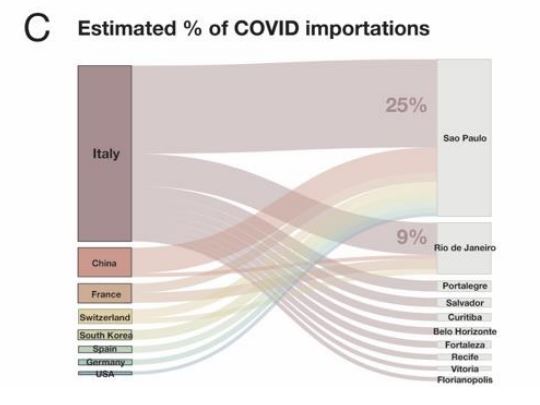
There is no question that travel restrictions and social distancing have helped reduce the spread of SARS-CoV-2, that coronavirus strain that originated in Wuhan, China late last year and then spread worldwide.

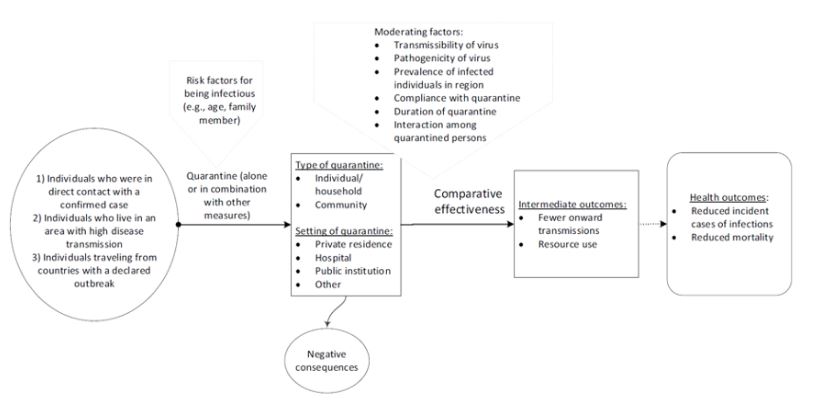
What about quarantine?

A new review hopes to shed some light but because the review is primary of modeling papers - many of which looked like estimates and some more like guestimates - it may be only partially useful from an applied health policy perspective. The real answers may not be known for years.

This is one of the biggest differences between the UK policy and the WHO recommendations. The UK think that Covid19 is very infectious like flu, and only for a very short time and that if you have it then likely everyone in your house already has it or will get it soon.

But the data from China and now many other places is the opposite. Covid19 is mildly infectious for a long time. It can be infectious through to death if you die and up to two weeks after recovery if you recover.

If you catch it early, often nobody else has got it from the first case. This story is often in the news - couples where one has it and the other doesn’t. Prince Charles got it for instance, and his wife Camilla didn’t get it.

This is a trimmed down version of my last article with just the cites from the Imperial college paper to show that in the UK we are indeed using a simulated flu pandemic to guide UK policy and that it differs in almost every detail from the real disease. I know this is hard to understand or believe. But please check my cites carefully and you will see they do.

Before I go any further, if you are in the UK, be sure to protect yourself. This disease is not airborne (except for certain medical procedures). For details see my

Political critics can argue that the U.S.

(Inside Science) -- Imagine putting your hand in a pile of poop. It stinks and squishes. What do you do next?

Most likely, you'll scrub that hand with plenty of soap -- and you don't need public health officials or a germ theory of disease to tell you that's the right thing to do. But when you touch the handrail on an escalator, it's much harder to remember that you could be picking up coronavirus germs.

The isolation that most of the civilized world has been subjected to, during the past few weeks, has produced a number of nasty effects, first and foremost on our economies, but it has also had a few positive ones. One of them is, at least in my case, an urge to use the extra time I have in my hands in a creative way.
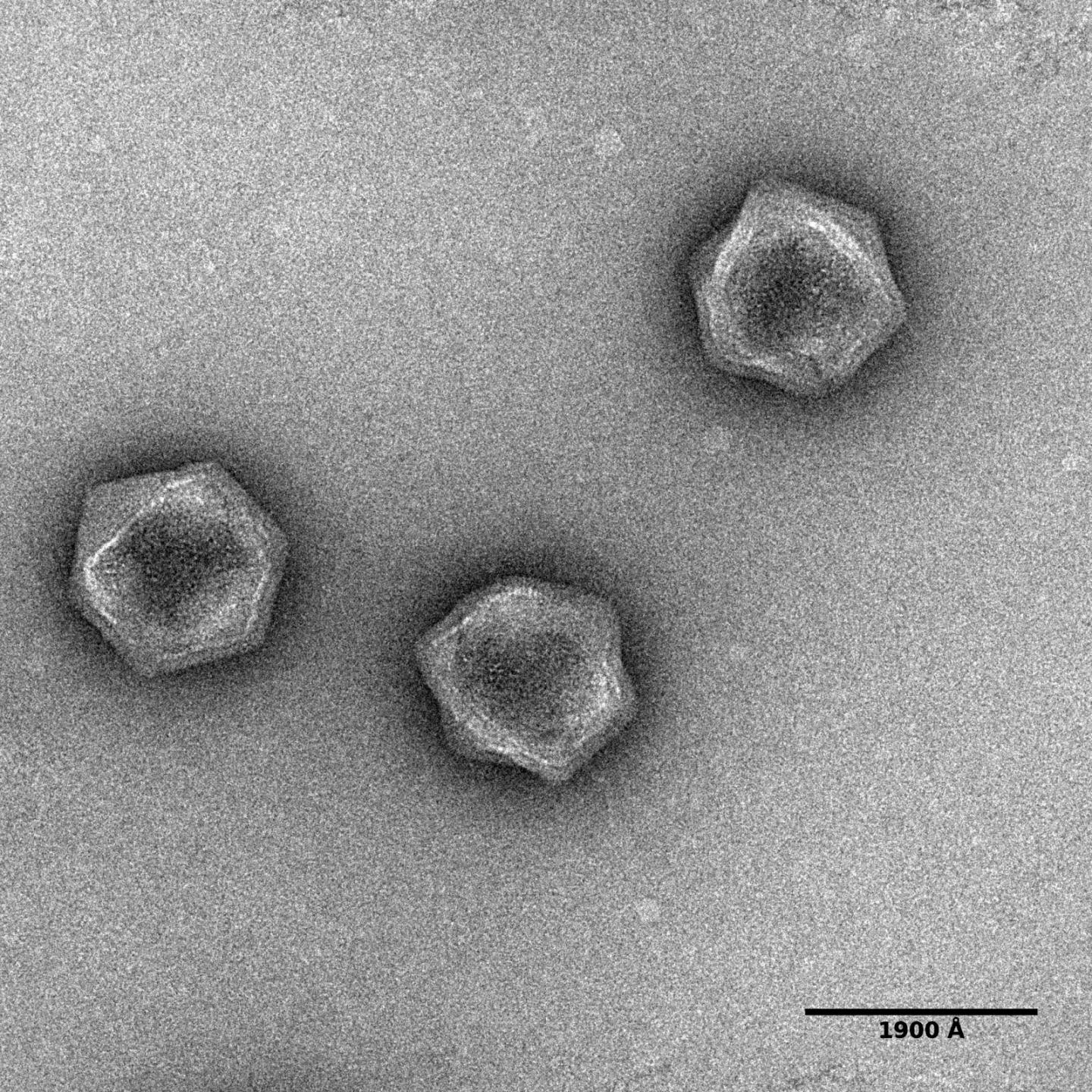
Though they are called giant viruses they're still among the tiniest denizens of the microbiome. A few genes' worth of DNA or RNA folded into a shell so small you need an electron microscope to see it, more like a stripped-down husk of an organism.

Giant viruses are ten times the size of their more compact cousins and with hundreds or even thousands of genes, so unlike the rest of the family that until first cataloged in 1992, researchers had dismissed them as bacteria. 

Few of us in the UK even know that the UK government is ignoring WHO's advice. Allyson M Pollock, professor of public health at Newcastle university is the lead author of a recent paper in the British Medical Journal: Covid-19: why is the UK government ignoring WHO’s advice?.

The authors say that

The WHO talk about contact tracing in every press briefing. They constantly stress that contact tracing iis the key to suppressing COVID-19 and then stopping it. They say that contact tracing will not just delay the peak, but suppress it and crush it right down to no new cases a day.

For some reason some countries are not paying any attention to this advice. I wonder if part of it is that not many realize what it involves, and why it is so effective for this disease? It does not mean tracking random people that you walk past in supermarkets or in the street. It is about close or prolonged contacts.

