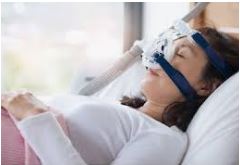


Continuous positive airway pressure (CPAP) devices are often prescribed for home use to patients with obstructive sleep apnea, a condition where an individual’s airway becomes blocked during sleep causing breathing to intermittently stop and start. CPAP devices use air pressure to keep airways open during sleep.
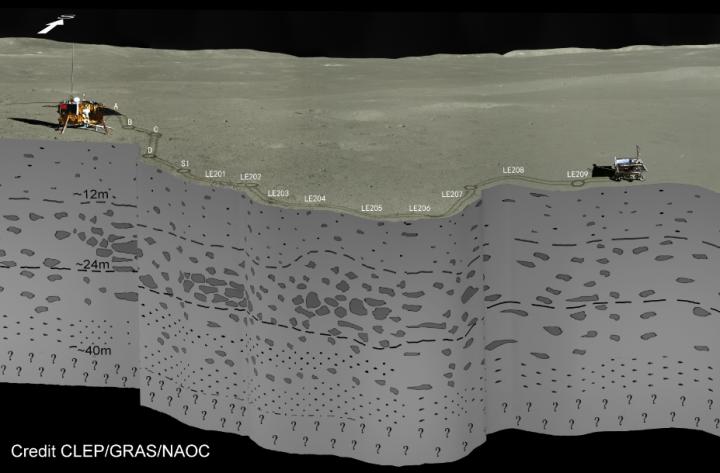
The Chang'E-4 mission (CE-4) landed on the eastern floor of the Van Kármán crater, near the Moon's south pole, on Jan. 3, 2019. It deployed its Yutu-2 rover, which uses Lunar Penetrating Radar (LPR) to investigate the underground it roams and found that the subsurface at the CE-4 landing site is much more transparent to radio waves.

Due to that, radio signals reached a depth of 40 meters using a 500 MHz frequency - more than three times the depth previously reached by CE-3. This data allowed the researchers to develop an approximate image of the subsurface stratigraphy
Scientists have discovered a non-oxygen breathing animal, a tiny, less than 10-celled parasite named Henneguya salminicola which lives in salmon muscle.

As it evolved, the animal, a myxozoan relative of jellyfish and corals, gave up breathing and consuming oxygen to produce energy.

Aerobic respiration is a major source of energy but organisms like fungi, amoebas or ciliate lineages in anaerobic environments have lost the ability to breathe over time. This is the first discovery of an animal that gave up this critical pathway, possibly because the parasite happens to live in an anaerobic environment.

This is puzzling many people. COVID19 is now in every continent. So why don't they call COVID19 a pandemic? You are right, if a flu outbreak got this far, the WHO would say it is a pandemic, for sure, indeed they would have called it a global pandemic weeks ago.

Definition: a pandemic (as the WHO use the word) is a disease that is spreading by community transmission throughout the world with no possibility of stopping it by quarantine. A viral pandemic can only be stopped with vaccines. Meanwhile you do your best to protect the most vulnerable from it.

A controversial February 2019 meta-analysis, a reanalysis of the most recent epidemiological data on glyphosate and cancer, suggested there was “a compelling link” between exposure to glyphosate-based herbicides and non-Hodgkin’s lymphoma (NHL), a cancer thousands of plaintiffs suing Bayer blame on their use of Roundup. 

The paper in the journal Mutation Research attracted harsh criticism from many experts (my critique here) who challenged the authors’ methodology and the conclusions drawn from the analysis.

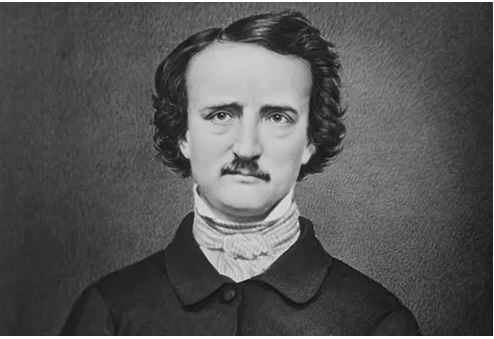
On October 3 1849, the famed American horror and mystery author Edgar Allan Poe was found in a complete state of delirium – incoherent, dishevelled and wearing a stranger’s clothes. Four days later, he died in a hospital. His final words were “Lord, help my poor soul”.

About 74,000 years ago on the island of Sumatra, Indonesia, the largest volcanic event over the last two million years, 5,000 times larger than the Mount St. Helen's eruption in the 1980s, ushered in a worldwide "volcanic winter" that lasted up to ten years followed by a 1,000 year-long cooling of the Earth's surface.

While how close humanity got to extinction is unknown, surviving Homo sapiens in Africa were said to have survived by developing new strategies that eventually enabled them to re-expand and populate Asia 60,000 years ago in a single, rapid wave along the Indian Ocean coastline.
In recent years the U.S. Centers for Disease Control and Prevention have manufactured a lot of concerns they then ask Congress for money to help solve - Zika, Prediabetes, vaping in kids are all examples of where they hyped concern or even defy the international consensus to worry the American public.

Hopefully there is one thing they can feel comfortable eliminating - telling adults to get diphtheria and tetanus booster shots every 10 years. A new study found that if adults were fully vaccinated as kids, booster shots are just increasing health case costs while subsidizing manufacturers.
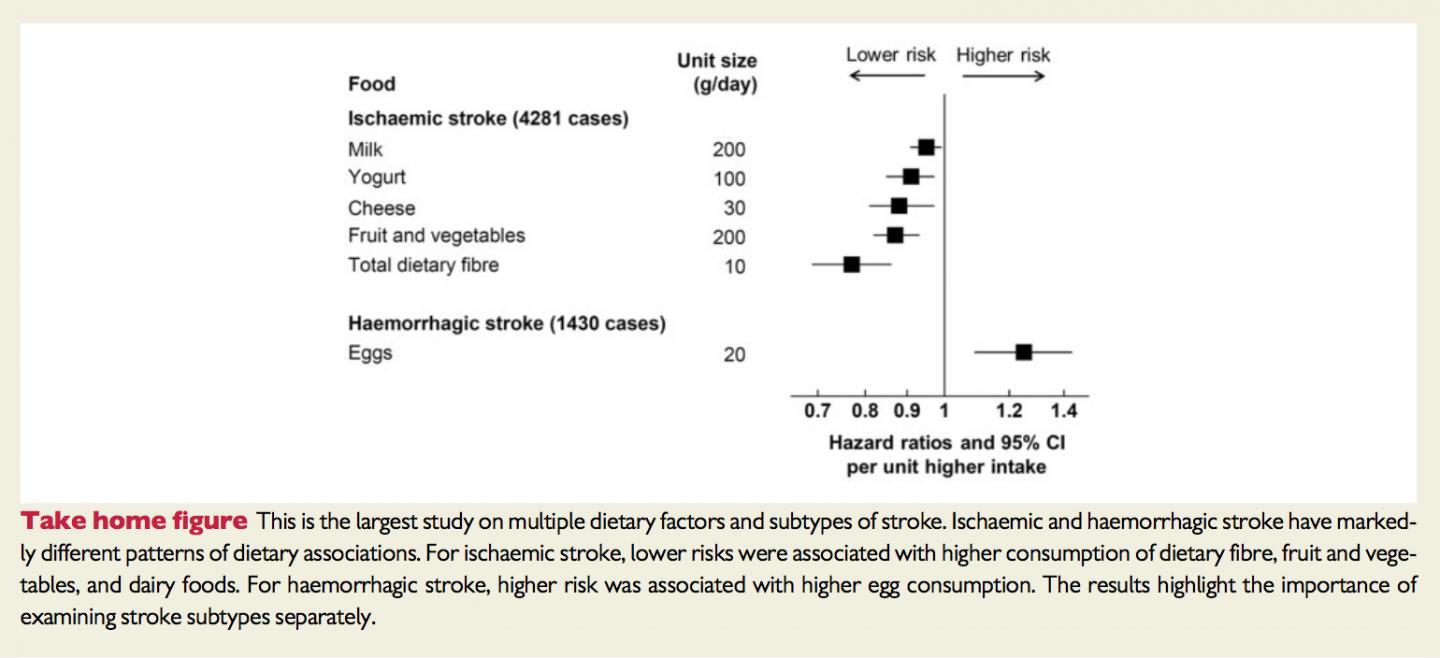
What do you conclude when different foods are claimed to be eaten on surveys by people who have one type of stroke but not another?

Not much. But it will still be a food frequency questionnaire epidemiology paper, the bane of public trust in science. What about confounders? Were people on medication, like statins?  The people who had strokes were 59-60 when they enrolled in the survey, so what about their lifestyle choices prior to that?

In an age of deepfakes and alternative facts, it can be tricky getting at the truth. But persuading others – or even yourself – what is true is not a challenge unique to the modern era. Even the ancient Greeks had to confront different realities.

