Health care is expensive. If you are convinced that donating blood is a community service and do it for free, the Red Cross sells it for up to $200 per pint. If you need a transfusion, each pint will cost $1,000 and up. That is paid for by insurance. What isn't covered by insurance will be passed along to you in the form of an out-of-pocket cost. If you have a medical emergency and an ambulance you did not request takes you to a hospital outside your network, you could be bankrupt. All due to federal government poiicies that began to create the health care problem in the 1940s and have only added on to it since.
Some sixty million years ago a fountain of hot rock that rises from Earth’s core-mantle boundary unleashed volcanic activity across a vast area of the North Atlantic, from Scotland to Greenland. We can detect the effects in spectacular basalt columns of the Giant’s Causeway in Ireland.
But why Iceland’s fiery mantle plume had such a dramatic impact has been the subject of debate.
Advanced cancer often brings preparation for the worst and proponents of the modern health care system use terms like "advocate" and "empowered" when everyone who isn't part of the system knows patients have trouble doing the former and certainly are not the latter.
Government, health insurers, and hospitals make the real decisions, and even if that goes your way doctors may do what they want. That is why
nearly 40% say their wishes are ignored when it comes to their care goals.

"Knucklehead" and “Wimp” were the toss-up for titling today’s column.
A few Democrat politicians are almost heroic as they respond to the current sh*tshow in Washington: Corey Booker, Elizabeth Warren, Robert Reich, JB Pritzker, Melanie Stansbury, AOC, and even Adam Schiff and Jamie Raskin, and occasionally Amy Klobuchar.
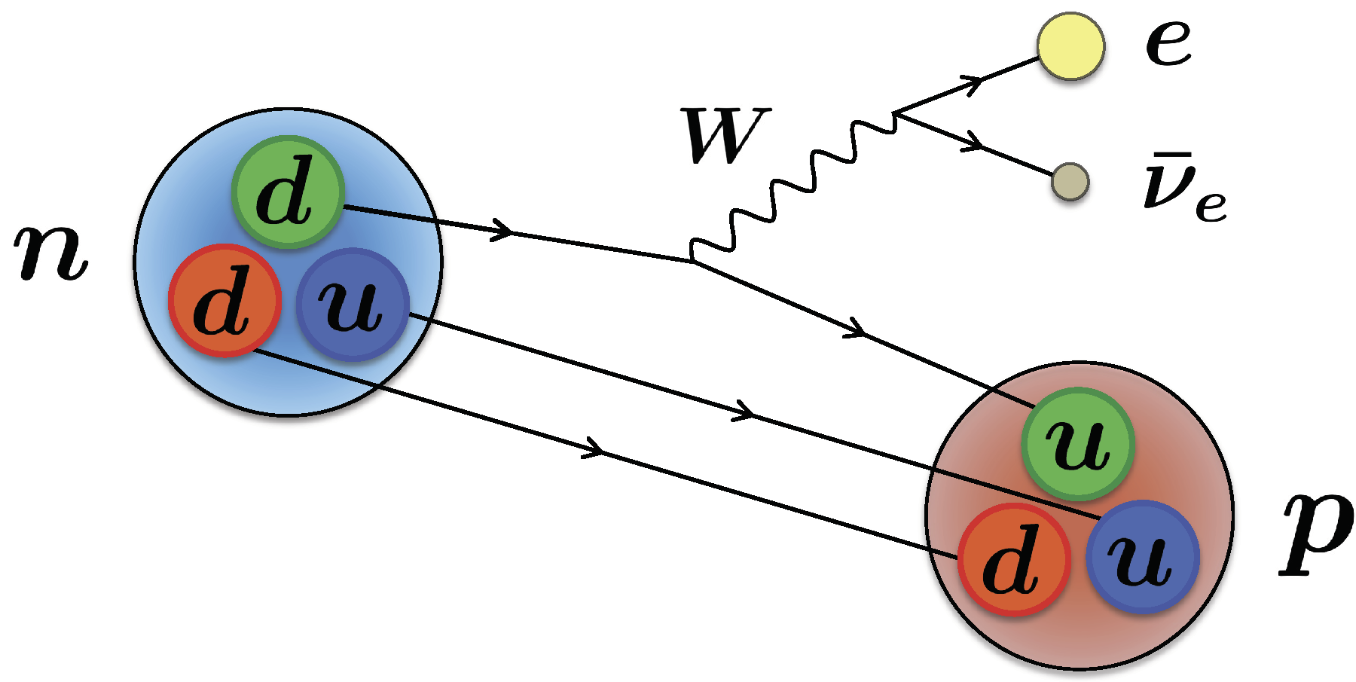
The neutron is a fascinating particle, and one which has kept experimental physicists busy for almost a century now. Discovered by James Chadwick in 1932 in a cunning experiment which deserves a separate post (it is a promise, or a threat if you prefer), the neutron has been all along a protagonist in the development of nuclear weapons as well as in the extraction of nuclear power from fission reactors. And of more relevance to our discussion here, it has powered endless studies both in the context of nuclear and subnuclear physics.
Cocaine toxicosis in animals is a real thing. You shouldn't do cocaine, even during the Biden administration it didn't become legal and it's more dangerous than that kratom people buy in a gas station. Drug dealers secretly despise their customers so it could adulterated with lots of bad things.
But you make a choice to be a moron, your pet is mostly a walking libido.
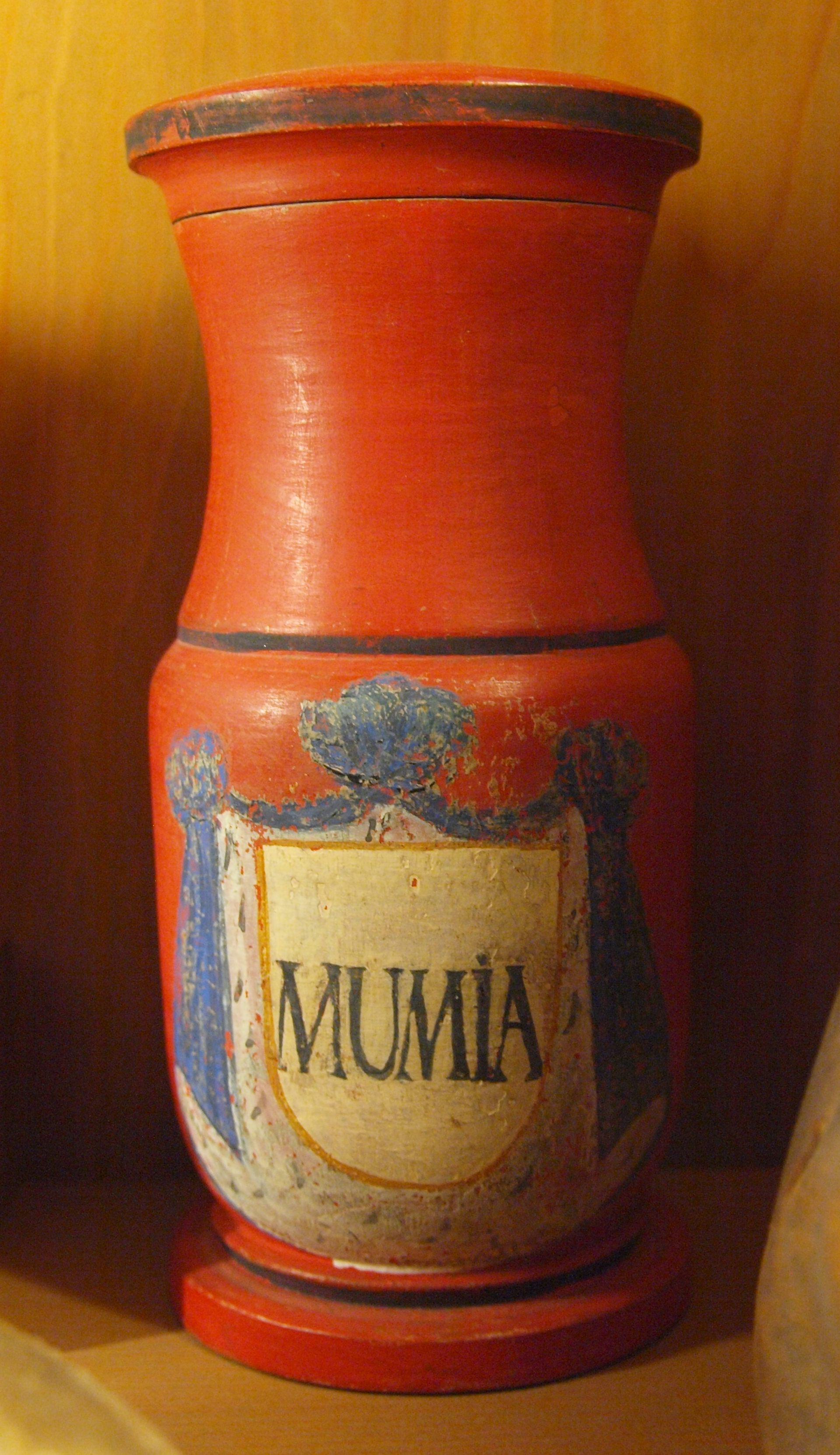
Why did people think cannibalism was good for their health? The answer offers a glimpse into the zaniest crannies of European history, at a time when Europeans were obsessed with Egyptian mummies.
Driven first by the belief that ground-up and tinctured human remains could cure anything from bubonic plague to a headache, and then by the macabre ideas Victorian people had about after-dinner entertainment, the bandaged corpses of ancient Egyptians were the subject of fascination from the Middle Ages to the 19th century.
Mummy mania
Faith that mummies could cure illness drove people for centuries to ingest something that tasted awful.
The French look at not owning air conditioning as a point of pride, and it may have made them so grumpy it explains why they passed laws saying no one can install it unless they get permission from their neighbors, and perhaps even the city or prefecture government.
They can talk about mitigating climate change but letting 10,000 senior citizens die during heat waves was never a good thing, especially when wealthy nations refuse to hold China accountable for being the runaway leader in emissions. Air conditioning might make Europeans see issues more clearly.
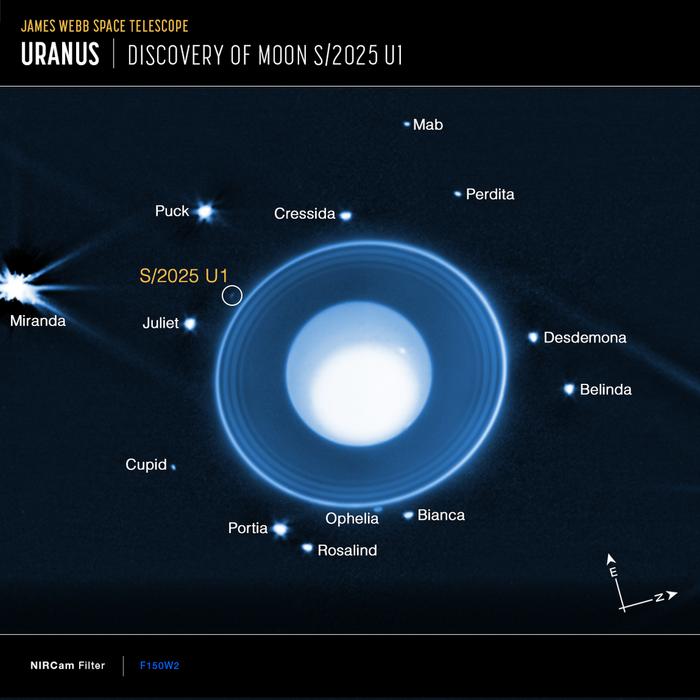
There us something new to talk about around Uranus, the seventh planet from the Sun.
Uranus is a “sideways planet” due to its extreme axial tilt, and the ice giant owes its cyan-color to a deep atmosphere composed of hydrogen, helium and methane. And it has moons. Lots of moons. Now it has one more. A James Webb Space Telescope survey found the as-yet unnamed new one, provisionally designated S/2025 U 1, bringing the total to 29, thanks to 10 long exposures obtained by the JWST Near-Infrared Camera.
Why it escaped detection for so long
A new international, randomized clinical trial is evaluating a vaccine developed to protect against 21 strains of pneumococcus, up from the current 13 strains covered now. That means greater protection to babies against the common infection that causes pneumonia, sinusitis and meningitis.
Pneumococcal disease can lead to serious illness and death among children under two years of age. The US had 31,000 cases and more than 3,500 deaths from invasive pneumococcal disease (bacteremia and meningitis)
Participants will receive four doses of the vaccine at two, four, and six months of age and a booster dose at 12-15 months. To stay within real-world conditions they will still receive the usual vaccines.