






A new study finds that if the United Kingdom did as The Guardian routinely advocates and abandoned modern agricultural science, people would starve. Or diets would change to where the rich had a variety while the poor suffered on subsistence fare.
It was easy to make a strong adhesive in the Stone Age so claims about the presence of glue 50,000 years ago meaning higher intelligence for "Neanderthals" don't stick very well.

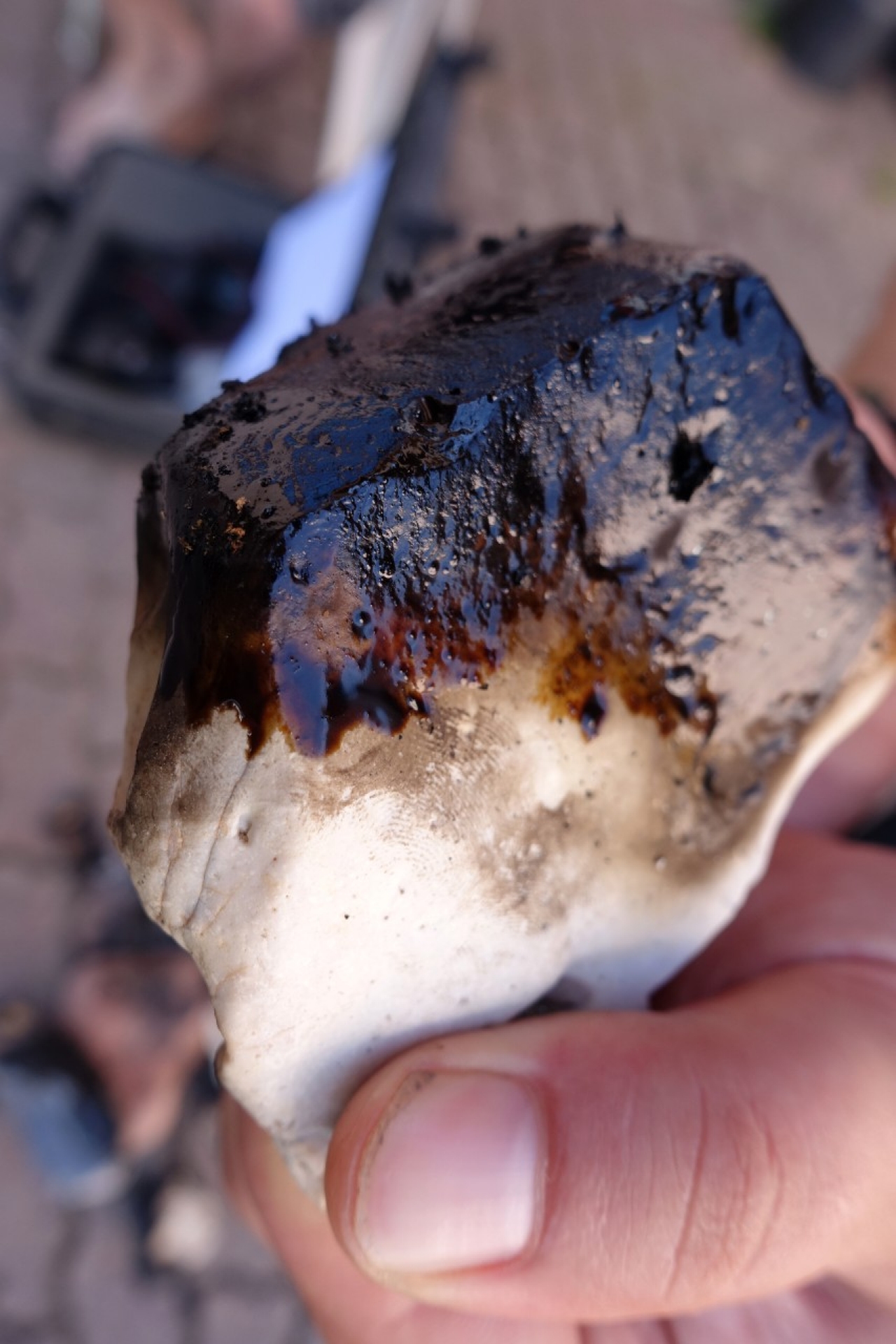
Neanderthals and other early humans produced a tarry glue from birch bark to make tools and because modern anthropologists think birch tar could only be created through a complex process in which the bark had to be heated in the absence of air, they used that as proof of a high level of cognitive and cultural development. 

But a new study shows that there is a very simple way to make the glue.

At our English boarding school in the 1990s, my friends and I would spend hours immersed in roleplaying games. Our favourite was Vampire: The Masquerade, and I can well remember experiencing a kind of psychological hangover after spending an afternoon in the character of a ruthless undead villain. It took a while to shake off the fantasy persona, during which time I had to make a conscious effort to keep my manners and morals in check, so as not to get myself into some real world trouble.

The jet-setting habits of Bill Gates and Paris Hilton mean that they produce an astonishing 10,000 times more carbon emissions from flying than the average person. This was the conclusion of my research mining their social media accounts (tweets, Instagram and Facebook posts) as well as those of a number of other celebrities for clues as to where they were in the world over the course of 2017 and how they got there. As such, this estimate is conservative – they may well have taken more flights and not volunteered the information to their millions of followers.

Though plant burgers like Beyond and Impossible have surged in popularity, they are still alternative versions of the real thing. Science has been consistently pushing toward real meat, but grown in a lab, which should defuse activist claims about the meat industry without forcing people to settle for substitutes.

The challenges are doing so at a reasonable cost and having it feel like real meat. 
Snus, a smokeless tobacco popular in Sweden, has led to a dramatic reduction in smoking-related diseases compared to the rest of Europe. But though it has been legal for sale in the U.S. since 2015, it was not legal to claim it is less harmful than cigarettes. 

After analyzing decades of evidence, FDA has agreed that these products are safer than cigarettes and has granted its first-ever modified risk orders to eight of their smokeless tobacco products.
Fresh off poisoning thousands by introducing tainted, illegal additives into vaping devices (including dangerous synthetic marijuana, which just resulted in a conviction), the marijuana supplement industry (cannabidiol, CBD) is under scrutiny again.

This time it is Rooted Apothecary LLC, of Naples, Florida, for illegally selling unapproved products containing cannabidiol with unsubstantiated claims that the products treat teething pain and ear aches in infants, autism, attention-deficit/hyperactivity disorder (ADHD), as well as Parkinson’s and Alzheimer’s disease, among other conditions or diseases.
In India, farming is being held back by the efforts of activists like philosopher Vandana Shiva, Ph.D., who charge $40,000 per speech to tell Western audiences that more science in their country is bad. 

Experts argue just the opposite, it is instead activism holding India back that has made farmers less able to to compete in a global market. 
Scientists have written a paper talking about how they "rediscovered" a pesticide that had never really been forgotten but had been ignored because it was created during the Nazi regime and really expensive; DFDT, a chemical relative of DDT. German scientists called it "Fluorgesarol"(1) and "Gix." DDT is dichlorodiphenyltrichloroethane and DFDT replaces the chlorine atoms with fluorine so it's difluorodiphenyltrichloroethane.(2)

It’s so good to see some climate scientists at last starting to speak up about the awful over the top things Extinction Rebellion activists are saying, though I wish more would speak up and speak up more strongly.

Rupert Read is a philosophy professor. Don’t watch his video if you are like the children and adults I help who get terrified of climate change.

Yes we do need to act on climate change. But we need to be informed by science. He is surely well grounded in philosophy. However, what he says in the video about climate science is mistaken.

