

It's difficult to convince yourself to go out to that party when you won't know anybody there and your couch is so comfortable and your Xbox is sitting right there, begging to be played.

And while it's easy to justify taking the easy way out of an uncomfortable social situation and spending a night in playing *insert violent video game here*, a new study suggests that avoiding one party to play violent video games will make it even less likely that you'll go to the next.

The study, published this month in Developmental Psychology, found that individuals who use problematic media (think violent video games, gambling, pornography) become more withdrawn over the course of a year.

Women in the United States increasingly groom their pubic hair, especially those who are younger, white and have partners who prefer it, according to an article published online by JAMA Dermatology.

Previous research has suggested that most women report engaging in pubic hair grooming and pubic hair removal. Knowledge of grooming behaviors is important for health care professionals because these behaviors reflect cultural norms and can be a source of patient morbidity.

Tami S. Rowen, M.D., M.S., of the University of California, San Francisco, and coauthors surveyed women to examine demographic characteristics and motivations associated with pubic hair grooming habits. The study analysis included 3,316 women who answered a question on grooming.

Researchers from KU Leuven (Belgium) and the Leibniz Institute for Neurobiology (Germany) have managed to erase unpleasant memories in mice using a 'genetic switch'. Their findings were published in Biological Psychiatry.

Dementia, accidents, or traumatic events can make us lose the memories formed before the injury or the onset of the disease. Researchers from KU Leuven and the Leibniz Institute for Neurobiology have now shown that some memories can also be erased when one particular gene is switched off.

ANN ARBOR--Free radicals cause cell damage and death, aging and disease, and scientists have sought new ways to repel them for years.

Now, a new University of Michigan study outlines the discovery of a protein that acts as a powerful protectant against free radicals. Ironically, the protein is activated by excessive free radicals. Human mutations of the gene for this protein are previously known to cause a rare, neurodegenerative disease.

Lysosomes, which comprise the cell's recycling center, are crucial for cleaning up injured and dying parts of the cells, said lead researcher Haoxing Xu, U-M associate professor of molecular, cellular and developmental biology.

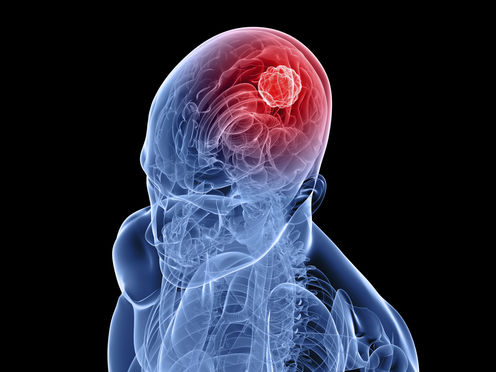
Glioblastomas are often resistant to the one type of drug that breaks the blood-brain barrier. HealthHub You find yourself sitting in your doctor’s surgery. It’s only been a few days since your initial visit to check on these pounding headaches you’ve been waking up with, along with some dizziness, nausea and vomiting, and a general drowsy and disconnected feeling.

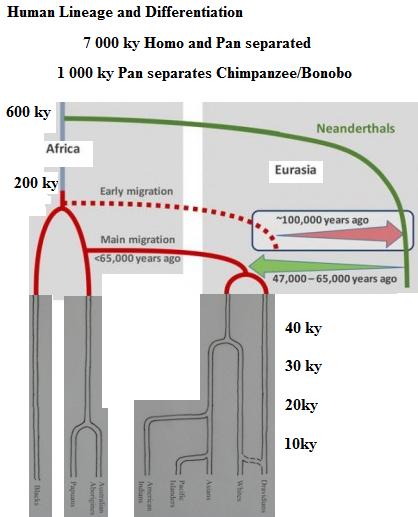
The (Pre-)Neanderthals were the first, you see:


There has been plenty of criticism about academic clinical trial reporting mandated by government funding and now a new paper analyzing four companies finds that the private sector is better about it, though results vary.

In JAMA, Isabelle Boutron, M.D., Ph.D., of Paris Descartes University, Paris, and colleagues investigated the proportion of randomized clinical trials (RCTs) registered at ClinicalTrials.gov that were listed at the Clinical Study Data Request website, where companies voluntarily list studies for which data can be requested.

Nerves in the central nervous system of adult mammals do not usually regenerate when injured. The granule cell, a nerve cell located in the cerebellum, is different. When its fibres, called parallel fibres, are cut, rapid regeneration ensues and junctions with other neurons called "synapses" are rebuilt. The precise mechanism for this was unclear.

Researchers at Hokkaido University in Japan, together with colleagues from Sapporo Medical University School of Medicine and Niigata University, investigated the effect of a specific glutamate receptor, called GluD2, on parallel fibre regeneration.

Saijo, Hiroshima, Japan - Biologists at Hiroshima University, located in the historic sake brewing town of Saijo, have identified the genetic mutation that could ruin the brew of one particular type of yeast responsible for high-quality sake. The research was part of an academic-government-industry collaboration involving the National Institute of Brewing (Japan), the Asahi Sake Brewing Company (Niigata), the Brewing Society of Japan, The University of Tokyo, The University of Pennsylvania, and Iwate University.

Medical devices approved first in the European Union (EU) are associated with a greater rate of safety issues, finds a study published by The BMJ today.

Clinical trial results for many new medical devices that could guide treatment decisions also remain unpublished or unavailable up to five years after approval, the findings show.

As such, the researchers call for greater regulatory transparency to enable patients and clinicians to make informed decisions about treatment.

Medical devices play an important role in patient care, but their approval and regulation are handled differently in the EU and US.

