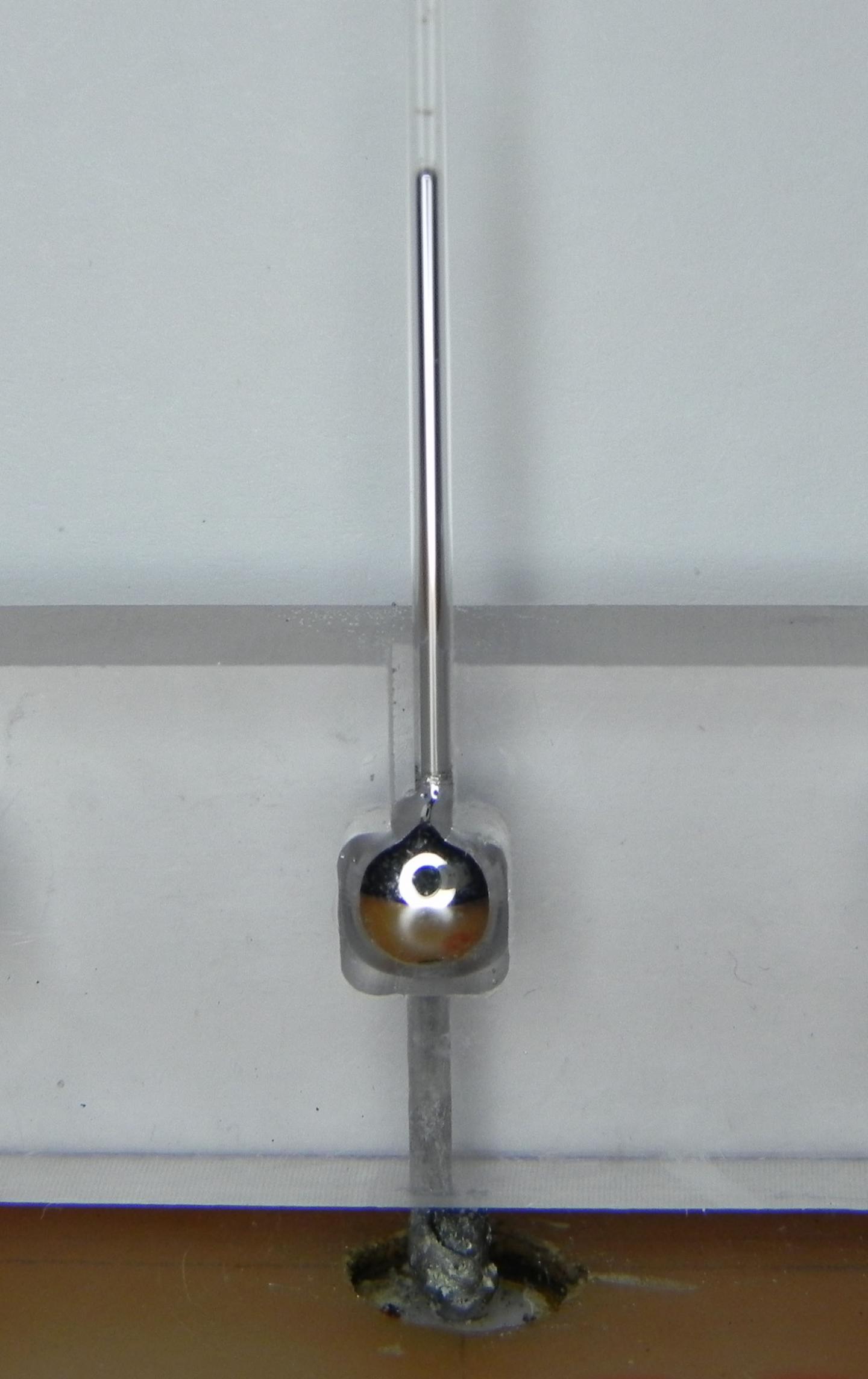
Liquid metal electronics like antennas are intriguing because the shape and length of the conducting paths that form an antenna determine its critical properties such as operating frequency and radiation pattern. Using a liquid metal, such as eutectic gallium and indium, allows for modification of antenna properties more dramatically than is possible with a fixed conductor. 

But a significant and unfortunate drawback slowing the advance of such devices is that they tend to require external pumps that can't be easily integrated into electronic systems, so North Carolina State University researchers set out to create a reconfigurable liquid metal antenna controlled by voltage only.

Objections to automated driving seem a little silly, since millions of lives are lost in car accidents and human error is estimated to cause more than 90% of them.

It may just be fear of the unknown, the same precautionary principle that makes people worry about having a Twitter login or be concerned about vaccines or GMOs.

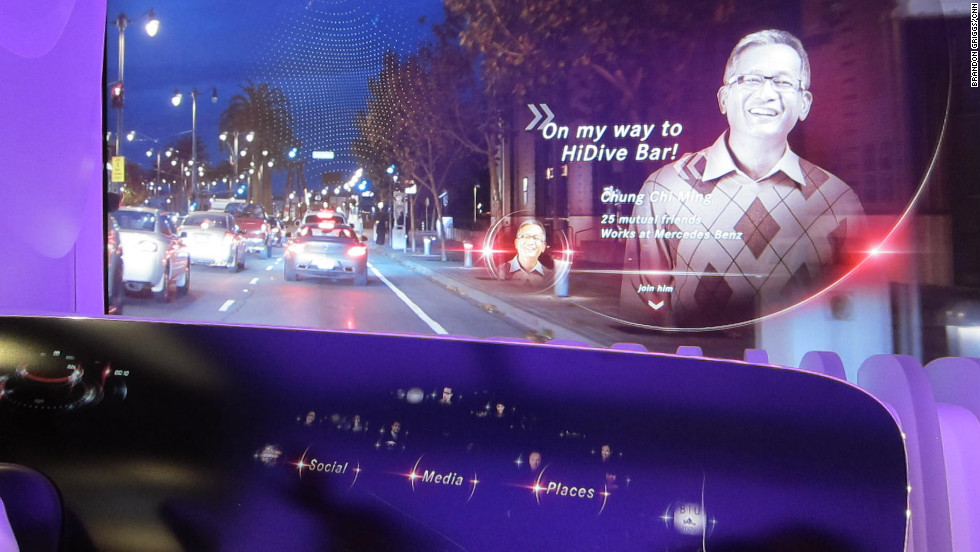
Regardless of the reasons for concern, it is a giant error to assume that data and reason will win out, as science has learned painfully about energy, medicine, food and pollution. Trust may instead be established in less direct ways and a recent paper argues that a virtual driver programmed to resemble the human driver could increase the level of trust and acceptance in smart cars.
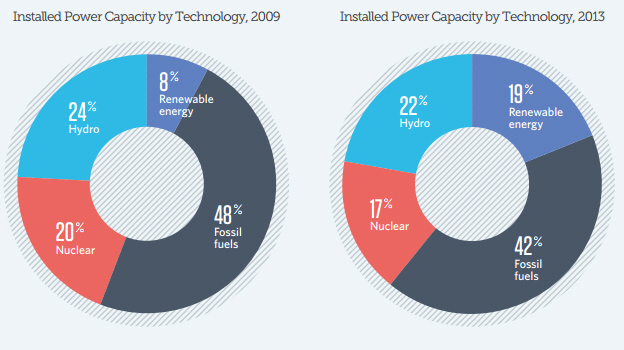
Like with emissions-free, white-collar astronomy jobs, it seems strange that anyone would protest emissions-free alternative energy, but in the United States it faces an uphill battle. On one side environmental groups lobby for it, while on the other, different environmentalists wait to file lawsuits and if they aren't paid off quickly, it could take years to resolve in court.
Does the world really need men?

It has been suggested that, in the age of cloning – and with enough sperm banks around to populate several future generations – the question is legitimate.

However, new research suggests that the reason that we need two sexes is because it improves the overall genetic quality of a species and reduces the risk of population extinction.

By Marsha Lewis, Inside Science  – The statistics are shocking. Almost half of all Americans live with one or more risk factors for a heart attack.

Now, bioengineers at the Christman Lab at the University of California, San Diego have created a material that could repair and even reverse the damage done by a heart attack.

"A heart attack is a single event where the blood supply is blocked to that downstream tissue," said Karen Christman, a bioengineer at UCSD. When the tissue is deprived of the blood it needs, it becomes damaged.

Gary Hirshberg is a bit selective when it comes to transparency and labeling food and ingredients…at least when it applies to his own products.

In a televised interview with Bloomberg earlier this month, Hirshberg–the chairman of Stonyfield Organic and funder of the anti-GMO, pro-labeling Just Label It organization–was asked by a reporter why the company doesn’t give more information about the ingredient on its yoghurt cups: ‘natural flavor.’

Organic products would seem tailor-made for shoppers seeking foods and beverages that are healthier for them, their families and the planet, but a new analysis reveals that most Americans perceive the organic label as nothing more than an excuse to sell products at a premium. 

71 percent of consumers don't even think that organic products have a labeling standard. 51 percent believe that labeling something as organic is just an excuse to charge more. 72 percent do believe that the products are probably healthier.

The benefits of music education are widely reported. Playing an instrument has been shown to have significant cognitive benefits.

Creative thinking, social and emotional intelligence, coordination, memorization and auditory processing are all thought to improve in school-age children who learn music.

This makes it hard to argue with the fact that learning music is a good thing. But, when it comes to the type of music to teach, things get less agreeable.

If you have been purchasing Blue Buffalo pet food based on its rather suspicious claims about being "byproduct free", well, that is the power of marketing, no different than organic- and gluten-free manufacturers have created a similar health halo for their customers.

But competitor Purina didn't like marketing claims that its pet food was inferior. On May 6, 2014, Purina filed a lawsuit against Blue Buffalo for false advertising after testing revealed the presence of poultry by-product meal in Blue Buffalo's top selling pet foods. 

While secondhand exposure to cigarette smoking is linked with numerous health maladies, cannabis smoke is currently under a halo of no harm. Yet second-hand marijuana can cause an effect that cigarettes cannot - problems with memory and coordination, and in some cases testing positive for the drug in a urinalysis. At least in a very small study.

Cannabis is the most widely used illicit drug in the world. The authors say the new research is the most comprehensive study of secondhand cannabis smoke and its effects since the 1980s, when researchers found the drug's active ingredient, tetrahydrocannabinol, or THC, and other cannabis byproducts could turn up in nonsmokers' bodies after an hour or more spent in extreme conditions with heavy smokers in an enclosed space.