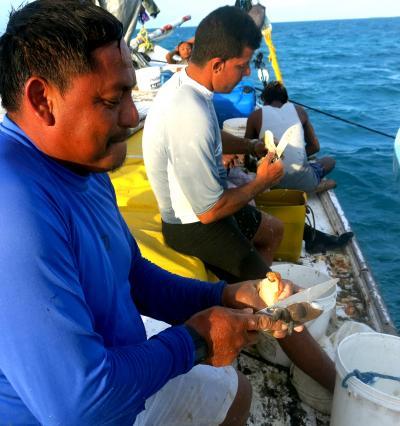




A new systematic review says that no-take zones in Belize are helping rebuildeconomically valuable species such as lobster, conch, and fish - and perhaps also helping to re-colonize nearby reef areas.

The literature in the review was from no-take areas around the world.

According to other papers, the recovery of lobster, conch, and other exploited species within marine protected areas with no-take zones, or fully protected reserves, could take as little as 1-6 years. Full recovery of exploited species, however, could take decades.
 

Dan Spielman, a Yale computer scientist, wanted to model complex online communities like Facebook, hoping to gain insight into how they form and interact. That's one of the precepts of Science 2.0, understanding how people can participate and scientists can collaborate without being drowned in a lot of 'noise' before being put on the right path to either.

A colleague in Jerusalem observed that aspects of Spielman’s research brought to mind a math problem that had been stumping people since Dwight Eisenhower was in office — the Kadison-Singer math problem. The 1950s? A puzzle that wasn't even from a paper, but from the “Related Questions” section of a paper on extensions of pure states? 

Since stem cell research became common 50 years ago, scientists have been trying to unravel mechanisms that guide function and differentiation of blood stem cells, those cells that generate all blood cells including our immune system.

Study of human blood stem cells is challenging because they can only be found in the bone marrow in specialized "niches" that cannot be recapitulated in a culture dish.

You never see them in calendars, but there are obese firefighters - and they don't get told to lose weight by their doctors.

As we all know, there are many healthy obese people, the notion that BMI is some magic button for diabetic and cardiovascular health has long been debunked. Regardless of their appearance, firefighters are trained to do a job. Can't pass training and you don't get to do the job. Yet firefighters do have high rates of obesity, compared to the nature of the job, and like the general public, heart attacks kill more firefighters than doing their job will.

We know that healthy mitochondria, the energy factories of cells, rely on proper reduction and oxidation to keep us converting food to energy and staving off mitochondrial pathologies. Any number of compounds have been created to try and keep that going as we age. They determine whether cells live or die and they regulate inflammation.

If you grew up on a farm, you may have gotten sick lots of times due to exposure to any number of microorgansms. You might not remember getting sick more then, but a new study finds you are less likely to have chronic maladies as an adult.

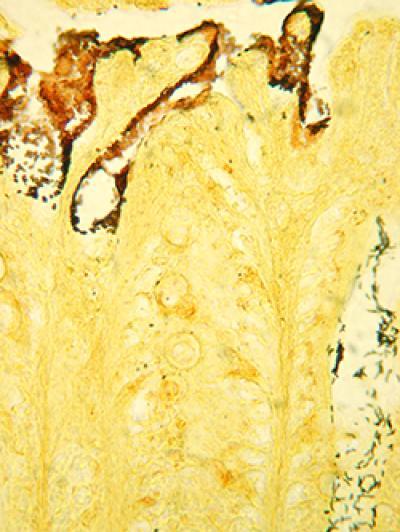
New research conducted at Aarhus University finds that people who have grown up on a farm with livestock are only half as likely as urban counterparts to develop the most common inflammatory bowel diseases: ulcerative colitis and Crohn's disease.   

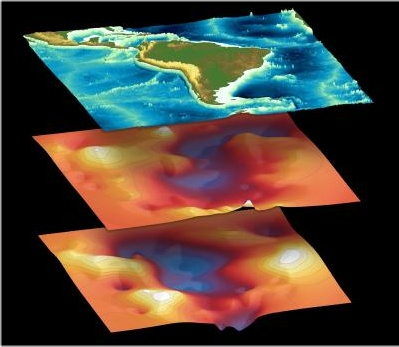
It's not a secret that groundwater levels in Texas have declined since the Dust Bowl era - the obvious reasons are what you expect - more population and more food grown to sustain them.

But there are other key contributing factors, and the news isn't all bad, according to a new analysis. The groundwater declines have been most severe in the past four decades, according to Dr. Srinivasulu Ale, Texas A&M  AgriLife Research geospatial hydrology assistant professor in Vernon. 

CAMBRIDGE, Mass-- Last year, MIT researchers discovered that when water droplets spontaneously jump away from superhydrophobic surfaces during condensation, they can gain electric charge in the process. Now, the same team has demonstrated that this process can generate small amounts of electricity that might be used to power electronic devices.

The new findings, by postdoc Nenad Miljkovic, associate professor of mechanical engineering Evelyn Wang, and two others, are published in the journal Applied Physics Letters.

This approach could lead to devices to charge cellphones or other electronics using just the humidity in the air. As a side benefit, the system could also produce clean water.

July 11, 2014 – The increased risk of kidney injury related to the use of hydroxyethyl starch (HES) in resuscitation fluids reflects the mass of HES molecules, according to a report in Anesthesia & Analgesia, official journal of the International Anesthesia Research Society (IARS).

The "total mass of HES molecules" explains the harmful effect of HES on cultured human renal proximal tubule cells (PTCs), concludes the laboratory study by Dr Christian Wunder and colleagues of University Hospital Würzburg, Austria. Other factors—such as differences in the origin or molecular weight of HES solutions—appear to play little or no role in cellular-level toxicity of HES.

What Factors Affect Toxic Effects of HES on Kidney Cells?

We all know what happens to us when we get sick, but at least we have a microbiota to protect us. What happens when those ecosystem bacteria colonizing our guts gets hit with infection?

A new computational models showed how infection can affect bacteria that naturally live in our intestines, which may help clinicians to better treat and prevent gastrointestinal infection and inflammation through a better understanding of the major alterations that occur when foreign bacteria disrupt the gut microbiota.

