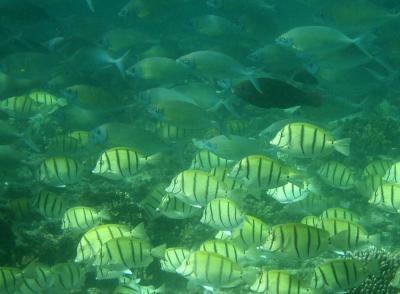





The migration of tropical fish poses a serious threat to the areas they invade, because they overgraze on kelp forests and seagrass meadows. The harmful impact of tropical fish is already evident in southern Japanese waters and the eastern Mediterranean, where there have been dramatic declines in kelps.

There is also emerging evidence in Australia and the US that the spread of tropical fish towards the poles is causing damage in the areas they enter.

The authors blame the increased fish on warming oceans due to climate change that have led to hotspots in regions where the currents that transport warm tropical waters towards the poles are strengthening.

If you are having fun rather than doing exercise because you are worried about your health, you'll eat less, according to a new paper which delves into how to market to your brain.

Some people really like to run, or they look forward to exercise. They are probably already thinking about food consumption because they recognize that they did the work. Other people have painted themselves into a psychological corner - they think of exercise and workouts and calories and then eat more afterward. It's well known that most people tend to undercount calories ingested and overcount those in a workout.

DURHAM, N.C. – The changing dynamic of health studies driven by "big data" research projects will empower patients to become active participants who provide real-time information such as symptoms, side effects and clinical outcomes, according to researchers at Duke Medicine.

The analysis, published in the July 2014 issue of Health Affairs, lays out a new paradigm for health research, particularly comparative effectiveness studies that are designed to assess which therapies work best in routine clinical practice.

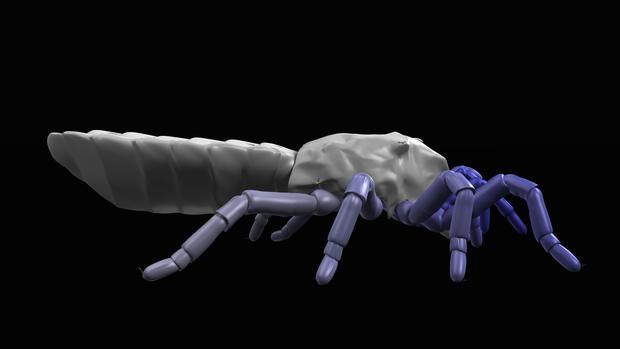
One of the first predators on land, a 410-million-year-old arachnid, has been virtually brought back to life. Paleontologists used exceptionally preserved fossils from the Natural History Museum in London to create the video showing the most likely walking gait of the animal.

The scientists used the fossils - thin slices of rock showing the animal's cross-section - to deduce the range of motion in the limbs of this ancient, extinct early relative of the spiders. From this, and comparisons to living arachnids, the researchers used the open source computer graphic program  Blender to create a video showing the animals walking.

Astronomers have studied the carbon monoxide in ALESS65, a galaxy over 12 billion light years away, and found that it's literally running out of gas. The future is not dark, it's 'red and dead'.

ALESS65 was observed by the Atacama Large Millimeter Array (ALMA) in 2011 and is one of few known distant galaxies to contain carbon monoxide.

 While our galaxy, the Milky Way, has about 5 billion years before it runs out of fuel and becomes 'red and dead', ALESS65 is a gas guzzler and only has 10s of millions of years left – that is very rapid, in astronomical terms. 

Radio waves emitted from ALESS65 as observed by the Australia Telescope Compact Array. Credit: Huynh et al.

For good or bad, the Affordable Care Act - Obamacare - is making electronic health records ubiquitous.That means the sheer quantity of clinical data that will become available for research and analytic purposes will skyrocket. The possibility for clinical analytics to analyze large quantities of data for the purpose of gleaning insights has the potential to improve the value of patient care. Science knows all about such big data. It will be good to see if new approaches for health care can benefit research also.  

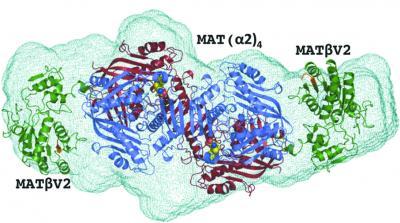
Researchers have revealed the structure of a protein complex,
MATα2 and MATβ,
that bind to each other and promote the reproduction of tumor cells in liver and colon cancers.

Both of these types of cancer are significant. In 2012 alone, liver cancer was responsible for the second highest mortality rate worldwide, with colon cancer appearing third in the list. 

This structural data discovery opens up additional research opportunities into drugs that can act on the binding of these proteins, thereby possibly inhibiting cancer cell growth.

Mice exposed to arsenic in drinking water developed lung cancer in a new study by researchers at the National Institutes of Health have found. 

In the study, researchers gave mice orders of magnitude acceptable limits of arsenic in water - 5X the EPA maximun, 50X and 500X. The reason they used so much is because mice need to be exposed to greater concentrations of arsenic in drinking water than humans to achieve the same biological dose and similar health effects.  Arsenic in public drinking water cannot exceed 10 parts per billion (ppb) by U.S. Environmental Protection Agency regulations. Private wells, from which millions of people get their drinking water, don't have a specified standard because arsenic is found in nature. 

The number of children with atopic dermatitis - eczema, a painful, itchy skin condition
- is on the rise. Some estimates are that one in five children in the U.S. now suffers from it and many children are prescribed powerful medications like immunosuppressants or topical steroids. 

To help find simpler treatment options, researchers at National Jewish Health evaluated an approach known as wet wrap therapy. First described in 1987, wet wrap therapy has rarely been studied and has never been used as a standardized treatment for children with eczema. 

Hippies on LSD in the 1960s described it as a 'dream state' and a new study finds that is a pretty accurate description.

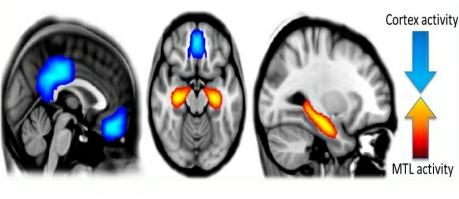
Researchers recently examined the brain effects of the psychedelic chemical in magic mushrooms, called psilocybin, using data from brain scans of volunteers who had been injected with the drug. The results were that brains display a similar pattern of activity during a mind-expanding drug trip as it does during dreams.

