


Cichlid fish in Lake Malawi know how to court and their courtship evolves - fast. 

In the shallows where the light is good, males build sand castles to attract females, while deep-dwelling species dig less elaborate pits and compensate with longer swimming displays, according to a new study. 
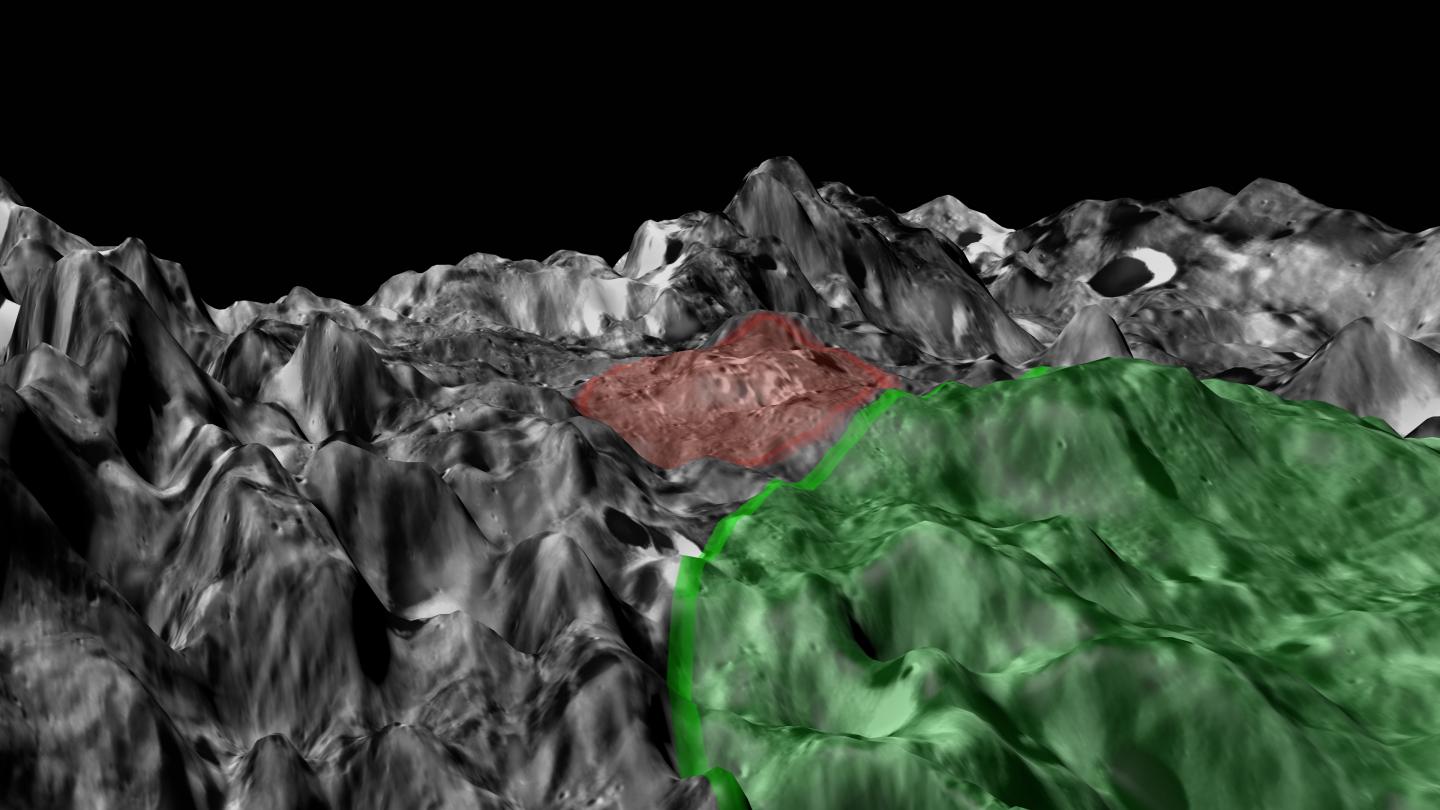
A new map of the Moon's strangest volcano show that its explosive eruption spread debris over an area in the Compton-Belkovich Volcanic Complex much greater than previously thought.

By mapping the radioactive element thorium which spewed out during the eruption, they discovered that, with the help of the Moon's low gravity, debris from the unnamed volcano was able to cover an area the size of Scotland, or around 70,000 km2. The eruption, which happened 3.5 billion years ago, threw rock five times further than the pyroclastic flow of molten rock and hot gases that buried the Roman city of Pompeii, the researchers added.
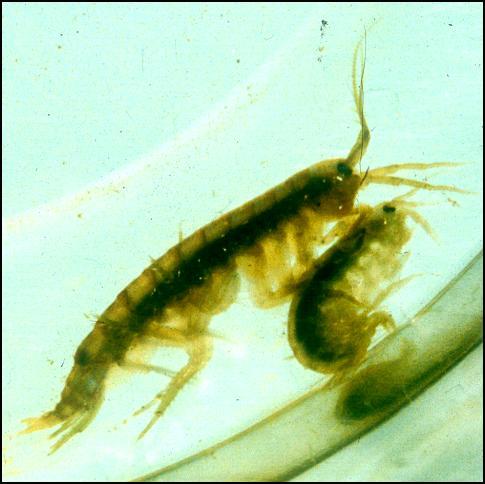
A tiny parasite named Pleistophora mulleri not only significantly increases cannibalism among the indigenous shrimp Gammarus duebeni celticus but made infected shrimp more voracious, taking much less time to consume their victims. 

Cannibalism is fairly common in nature but the belief was always that it is practical - meat is meat. Consumption of juveniles by adults is a normal feature of the shrimp's feeding patterns, but this is the first paper to show parasites cause it and even alter the feeding patterns -  shrimp infected with the parasite ate twice as much of their own kind as uninfected animals. They attacked juvenile shrimp more often and consumed them more quickly than did uninfected shrimp.

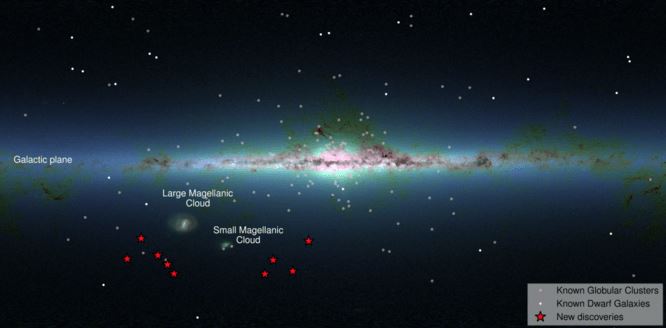
When we think of cosmology, we often imagine the largest telescopes peering into the deepest space, collecting the feeble light from exploding stars or the first galaxies.

But for some cosmologists – like the Galactic Archaeologists – the focus is the local universe, asking if we can learn about the evolution of our own Milky Way from what we see around us.

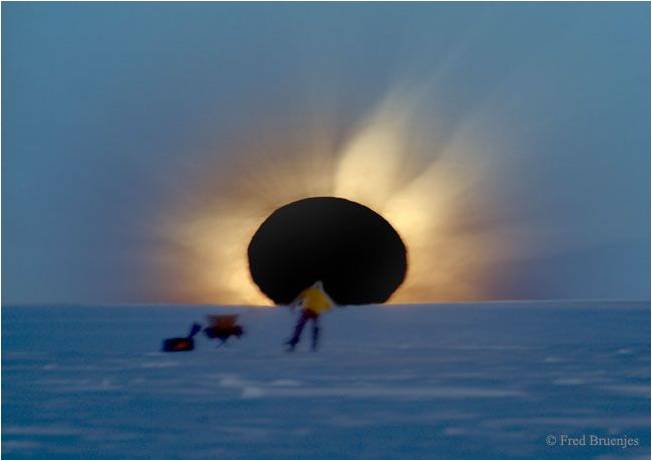
In the morning of March 20th Europeans will be treated with the amazing show of a total solar eclipse. The path of totality is unfortunately confined to the northern Atlantic ocean, and will miss Iceland and England, passing only over the Faroer islands - no wonder there's no hotel room available there since last September! Curiously, the totality will end on the north pole, which on March 20th has the sun exactly at the horizon. Hence the conditions for a great shot like the one below are perfect - I only hope somebody will be at the north pole with a camera...

(Image credit: Fred Bruenjes; apod.nasa.gov)

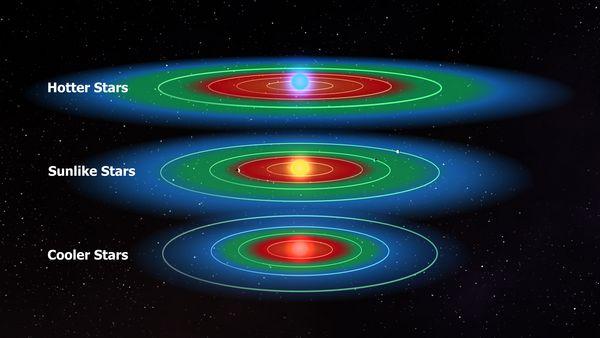
Astronomers have discovered thousands of exoplanets in our Milky Way galaxy using the Kepler satellite and many of them have multiple planets orbiting the host star.

By analyzing these planetary systems, researchers from the Australian National University and the Niels Bohr Institute in Copenhagen have calculated the probability for the number of stars in the Milky Way that might have planets in the habitable zone.

The calculations show that billions of the stars in the Milky Way will have one to three planets in the habitable zone, where there is the potential for liquid water and where life could exist. The results are published in the scientific journal, Monthly Notices of the Royal Astronomical Society. 

Metastatic melanoma is the leading cause of skin cancer deaths in the United States; once melanoma has spread (metastasized), life expectancy for patients can be dramatically shortened. At present, the reference therapy for patients diagnosed with metastatic melanoma is Dacarbazine (DTIC), which is associated with poor patient outcomes.

An FDA-approved drug for high blood pressure, guanabenz, prevents myelin loss and alleviates clinical symptoms of multiple sclerosis (MS) in animal models, according to a new study. The drug appears to enhance an innate cellular mechanism that protects myelin-producing cells against inflammatory stress. These findings point to promising avenues for the development of new therapeutics against MS, report scientists from the University of Chicago in Nature Communications on Mar. 13.

Our skeletons hold tell-tale signs that show that human bipedalism - walking upright and on two feet - are unique to humans especially when compared to our closest living relatives, apes. Exactly when these signs first appear in our evolutionary history is one of the fundamental questions driving the study of human evolution, or Palaeoanthropology, today.

An interdisciplinary team led by scientists at the University of the Witwatersrand in Johannesburg, South Africa, has combined visualisation techniques, engineering principles, and statistical analysis into a powerful new way of analysing the structure of long bones.

Cardiovascular diseases such as heart attacks and stroke, cancers, diabetes and chronic respiratory diseases such as chronic obstructive pulmonary disease and asthma are among the leading causes of death across the world.

