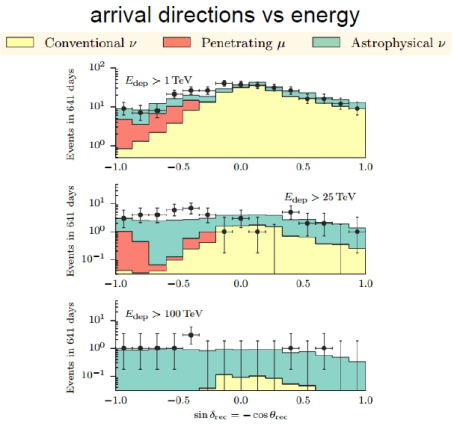







During the first afternoon session of the XVI Neutrino Telescopes conference (here is the conference blog, which contains a report of most of the lectures and posters as they are presented) Francis Halzen gave a very nice account of the discovery of cosmogenic neutrinos by the IceCube experiment, and its implications. Below I offer a writeup - apologizing to Halzen if I misinterpreted anything.

Synthetic cannabinoids ("synthetic marijuana"), with names like Spice, K2, Scooby Doo and hundreds of others, are often sold as a safe, "legal" alternative to marijuana but that is just marketing by drug dealers. Synthetic marijuana was linked to 11,561 reports of poisonings in the United States between January 2009 and April 2012. 

It's no surprise that it has grown popular among teens, that is why legal businesses like cigarettes and alcohol cannot market to kids. In 2011, synthetic marijuana was used by 11.4% of high school seniors in the US, making it the most commonly used drug - after real marijuana. 
Low birth weight is indicative of various problems and fortunately modern science has made it possible for more low-birth weight babies than ever to thrive, survival is over 94 percent for children born in the third trimester of pregnancy.

But low birth weight is being linked to residual effects and in a new paper researchers find that underweight infants may eventually become the grandparents of children at a higher risk for metabolic problems like high cholesterol, diabetes, and obesity, according to a new study.
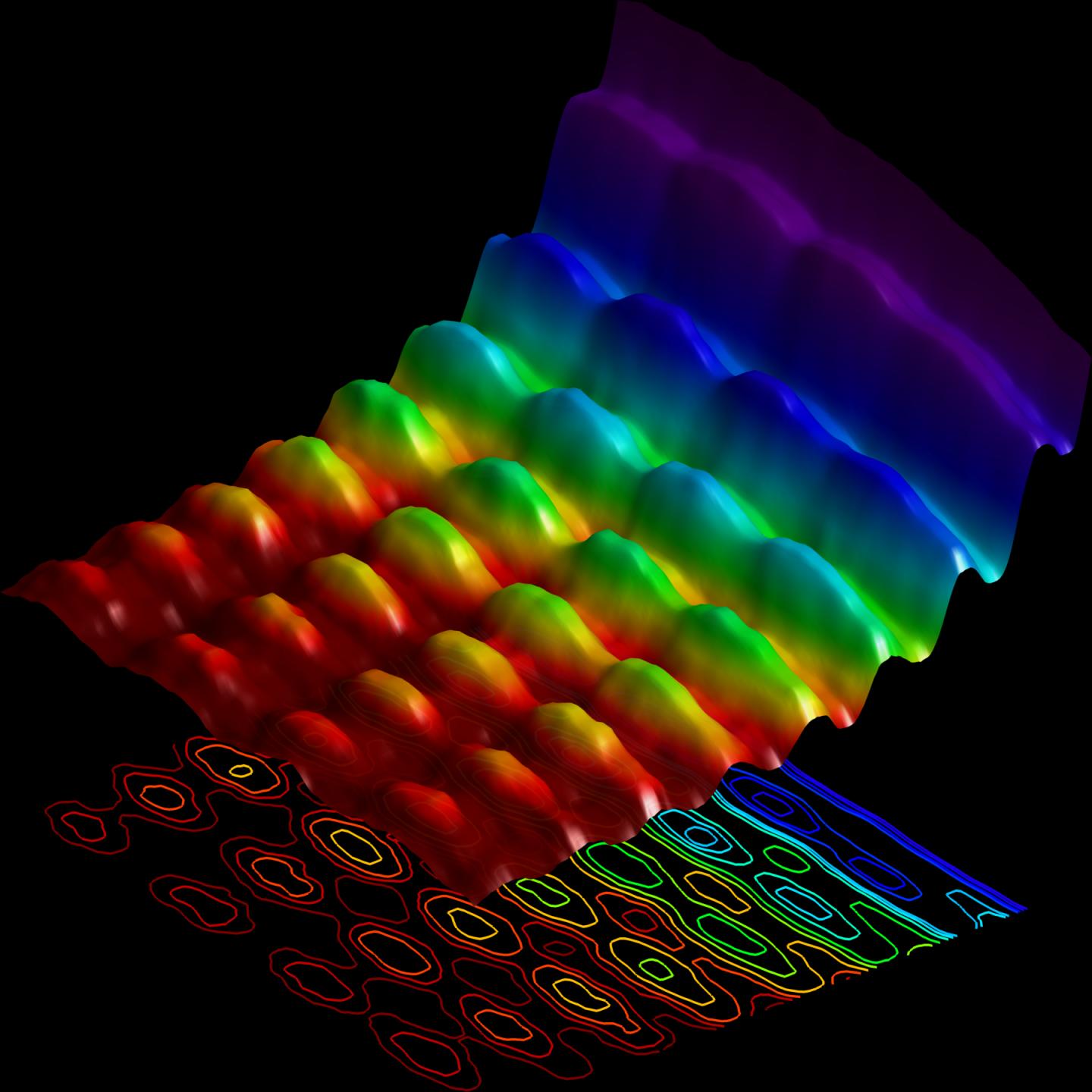
Quantum mechanics tells us that light can behave simultaneously as a particle or a wave, but researchers haven't been able to capture both natures of light at the same time; the closest we have come is seeing either wave or particle at different times.

When UV light hits a metal surface, it causes an emission of electrons. Albert Einstein explained this "photoelectric" effect by proposing that light - thought to only be a wave - is also a stream of particles. Even though a variety of experiments have successfully observed both the particle- and wave-like behaviors of light, they have never been able to observe both at the same time.

Antipsychotic medications for pediatric patients climbed 62 percent for children on Medicaid between 2002 and 2007, reaching 2.4 percent of those youth. Unless we really believe that poor kids are undergoing an epidemic of bipolar disorder and schizophrenia, it's time to examine prescription practices. 

More kids nationwide are taking medications designed to treat such mental illnesses as schizophrenia and bipolar disorder, and pediatricians and psychiatrists at the University of Vermont want to know why.

David Rettew, M.D., associate professor of psychiatry and pediatrics at University of Vermont, and colleagues conducted a study to find out "whether the right youth are being prescribed the right medications at the proper time in their treatment."

In 2008, President Obama suggested vaccines might be causing autism. In 2009, during the H1N1 swine flu pandemic, there was quickly a vaccine shortage, because the government refused to allow adjuvants, to boost vaccine effectiveness and use less raw material, or multi-dose vials, because they contained a preservative anti-vaccine believers claimed caused autism. 274,000 Americans were hospitalized.


Researchers have found that by changing the selectivity of an enzyme, a small molecule could potentially be used to decrease the likelihood of alcohol-related cancers in an at-risk population.


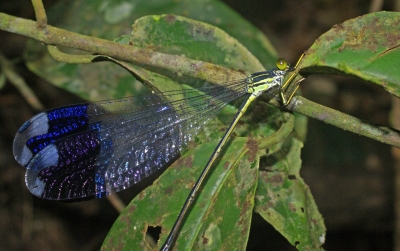
Megaloprepus caerulatus. Credit: Andres Hernandez, STRI

By Jyoti Madhusoodanan, Inside Science

(Inside Science) -- In late April, rain begins to pool in the hollows of trees on Barro Colorado Island in Panama. The water-filled tree holes may seem insignificant, but they're prime real estate – and the sites of intense battles – to giant damselflies (Megaloprepus caerulatus) seeking mates.

Hemochromatosis (HH) is the most common genetic disorder in the western world, and yet is barely known outside biology. In the US 1 in 9 people carry the mutation, though not necessarily the disease.

