





Humans who eat a lot of red meat are known to be at higher risk for certain cancers but other carnivores are not, which is a bit of an epidemiological puzzle, mostly because cancer rates in animals are not well-known.

In a recent study,  University of California, San Diego School of Medicine scientists wanted to  investigate the possible tumor-forming role of a sugar called Neu5Gc, which is naturally found in most mammals but not in humans, and found that feeding Neu5Gc to mice engineered to be deficient in the sugar (like humans) significantly promoted spontaneous cancers.

The study did not involve exposure to carcinogens or artificially inducing cancers, further implicating Neu5Gc as a key link between red meat consumption and cancer. 

It's commonly said that moderate alcohol consumption is good for people, but no one knew why and the determination of moderate was arbitrary.

A new study of 618 Swedes with coronary heart disease and a control group of 3,000 healthy subjects lent evidence to epidemiological curve-matching. The subjects were assigned to various categories based on the amount of alcohol they consumed and were tested in order to identify a particular genotype (CETP TaqIB) that previous studies suggested played a role in the health benefits of alcohol consumption.

The results showed that moderate consumption of alcohol helps protect people  against coronary heart disease
- if they have the genotype.


It's never too late to start balancing the calorie ledger. rangizzz

By Lee Hamilton, University of Stirling

Ready-to-eat desserts such as cakes, cookies, pies, doughnuts, and pastries add a significant amount of energy, sugar, and saturated fat to Americans' diets, making them a strategic target for cultural pundits and the scholars who arm them with epidemiological papers looking to lay blame for obesity.

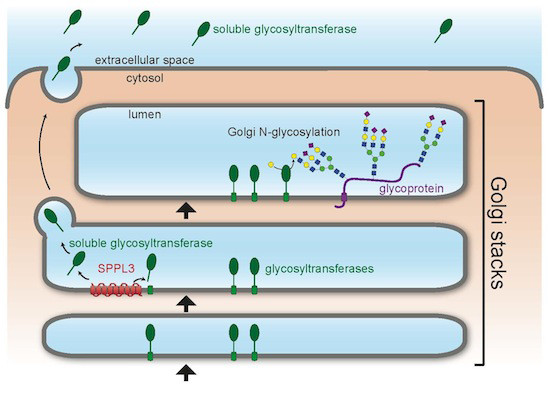
The enzyme signal peptide peptidase-like 3 (SPPL3) is known to 'cut' proteins - they cleave the peptide bonds in the polypeptides that make up proteins - but it turns out that it works to activate T-cells, the immune system's foot soldiers - without cutting proteins. 

Because its structure is similar to that of presenilin enzymes, which have been implicated in Alzheimer's disease, the researchers believe their findings could shed more light on presenilin functions, in addition to providing new insight into how the immune system is controlled.

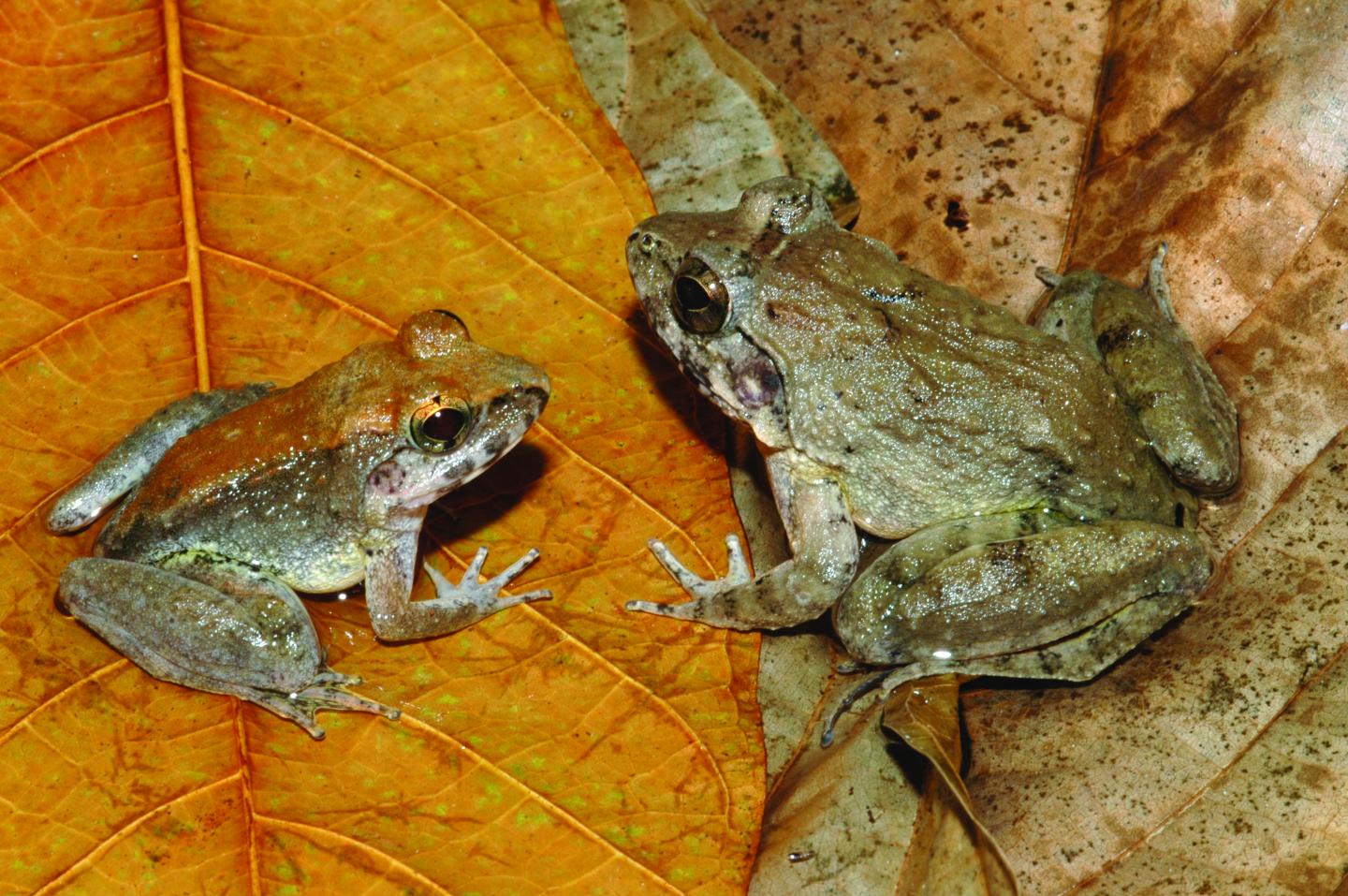
A new species of frog,
Limnonectes larvaepartus, from the island of Sulawesi in Indonesia, does what no other frog does: It gives birth to live tadpoles instead of laying eggs.

A member of the Asian group of fanged frogs, the new species was discovered a few decades ago by Indonesian researcher Djoko Iskandar and was thought to give direct birth to tadpoles, but the frog's mating and an actual birth had never been observed before. 

Cardiovascular disease and the rather more vaguely-defined metabolic syndrome are major public health concerns throughout the developed world.

A new paper in the
European Journal of Preventive Cardiology
finds that Yoga, a popular mind-body practice, has value in improving cardio-metabolic health. The conclusion in their review of other papers makes sense. Doing any exercise for an hour a day will improve cardio-metabolic health. Yet some people are not going to get on a treadmill or go for walk so if the Eastern mysticism aspect gets their blood pumping, it can be considered as a potentially effective therapy for such conditions.

People who don't want to disappoint you and that are prone to guilt if things go wrong are the least likely to want to commit to a project - but they may be who you want on your team, because if they do commit, that propensity for feeling guilty if they let down the team makes them among the most ethical and hard-working partners, according to management academics.

In a proper mix, highly guilt-prone people (i.e., people with a strong dispositional tendency to feel guilty for wrongdoings) make valuable work partners because a concern about letting others down drives them to complete at least their fair share of the work. 

Pets play an important role in our social lives and they can act as catalysts for social interaction, previous research has shown, because pets often serve as "social lubricants."

Although much media attention has focused on how dogs can improve the social skills of children with autism, a University of Missouri researcher recently found that children with autism have stronger social skills when any kind of pet lived in the home.


Marcus Aurelius.

By Robert S. Colter, University of Wyoming

