


Laparoscopic cholecystectomy, a minimally invasive procedure to remove the gallbladder, is one of the most common abdominal surgeries in the U.S.

Some medical centers move patients quickly into surgery while others wait. Being told to wait can alarm patients but is it making a difference?

Not really, finds a paper in the American Journal of Surgery. Gallbladder removal surgery can wait until regular working hours rather than rushing the patients into the operating room at night and there is no risk of harm. 

In the early morning hours of March 4th, 2002, a reconnaissance team of US Navy SEALs became pinned down on the ridge dividing the Upper and Lower Shahikot valley in Afghanistan.

A Chinook helicopter with 21 men on a mission to rescue them was heading for the snowcapped peak of Takur Ghar  when U.S. military officers in Bagram radioed them with a message not to land on the peak, because the mountaintop was under enemy control. 

The rescue team never got the message. Just after daybreak, the Chinook took heavy enemy fire and it crash-landed on the peak. Three men were killed in the ensuing firefight.

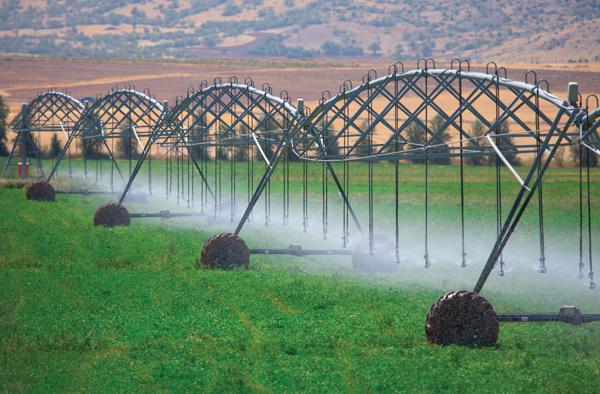
In 1993, Professor John Anthony Allan of King’s College London coined the term "Virtual water" because the term 'embedded water' "did not capture the attention of the water managing community" and he wanted to create a metaphor to talk about why the long-predicted water wars have still not happened.

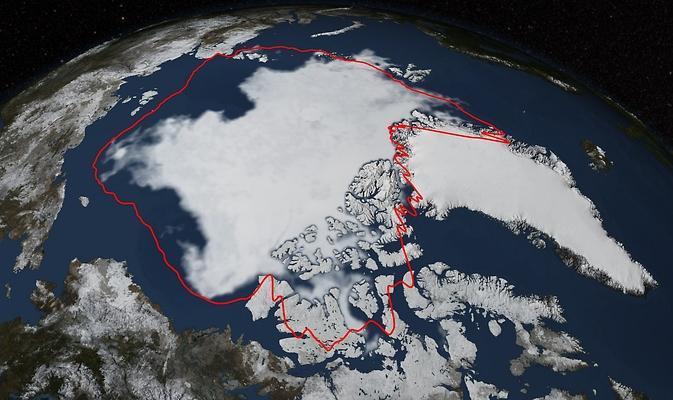
Arctic sea ice coverage declined to its annual minimum on September 17th and the National Snow and Ice Data Center (NSIDC) at the University of Colorado, Boulder find that this year's minimum extent is similar to last year's and below the 1981-2010 average of 2.40 million square miles. 

Over the 2014 summer, Arctic sea ice melted back from its maximum extent reached in March to a coverage area of 1.94 million square miles, according to analysis from NASA and NSIDC scientists. 

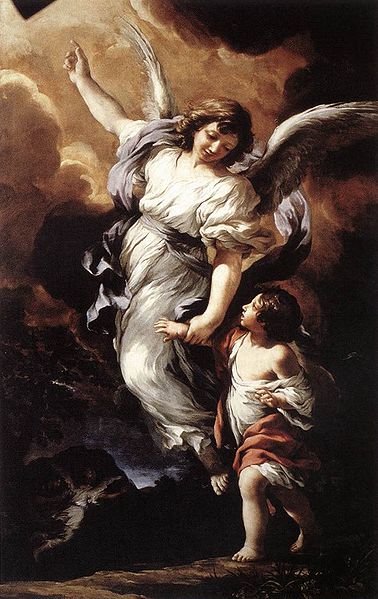
If you had an angel walking beyond you, would you be more reckless or more cautious?

It's surprising how many people believe that guardian angels watch over them to keep them safe in a dangerous world, and it's even more surprising that those who believe are actually less inclined to take risks despite this protection. 

Scholars David Etkin, Jelena Ivanova, Susan MacGregor and Alalia Spektor surveyed 198 individuals and found that of those who believe in guardian angels, 68% said that this belief affects how they take risks. 

What causes segregation? No one knows. No one even knows where the line is. For example, in science classes, there is worry that if there are not enough people 'like' an individual, they will feel intimidated and excluded. But when there are lots of people like an individual, they tend to self-segregate into groups based on gender and ethnicity.

On the city-wide level, environmentalists advocate very dense housing because it has lower strain on the land, but a new study in PNAS finds that dense cities lead to more segregation, even in previously integrated neighborhoods. Racially and economically mixed cities are more likely to stay integrated if the density of households stays low.

Nature Publishing Group has announced that Nature Communications will only accept open access research submissions starting October 20th 2014.

This is a big win for open access.  The 2013 Impact Factor for Nature Communications is 10.742, according to the 2013 Journal Citation Reports® Science Edition (Thomson Reuters, 2014). When it launched in 2010 it was a hybrid journal, publishing both open access and subscription content, but they now get over 1500 submissions every month so open access is viable.

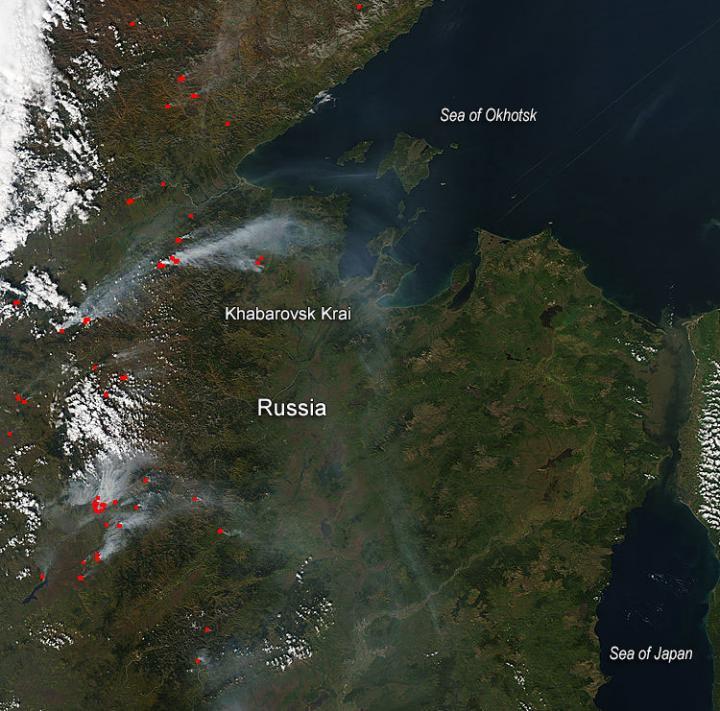
Khabarovsk Krai, a territory occupying the coastline of the Sea of Okhotsk, is on fire. Dozens of red hotspots, accompanied by plumes of smoke mark active fires. The smoke, which appears mostly white or grey, blows to the east towards the Sea of Okhotsk.

Taiga and tundra are found in the north of this area, swampy forest inhabit the central depression, and deciduous forests are the natural vegetation in the south.

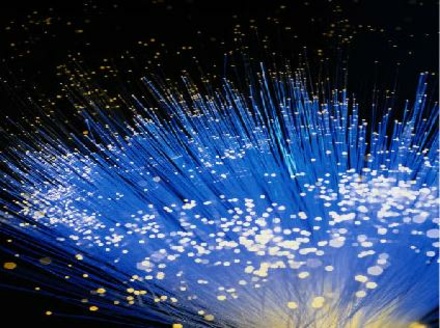
Electrical engineering researchers have developed a unique nanoscale device that demonstrates mechanical transportation of light.

The nanoscale device that can capture, measure and transport fundamental particles of light - photons. The tiny device is just 0.7 micrometers by 50 micrometer (about .00007 by .005 centimeters) and works almost like a seesaw. On each side of the "seesaw benches," researchers etched an array of holes, called photonic crystal cavities. These cavities capture photons that streamed from a nearby source. 

Gravitational waves are phenomena predicted by Einstein's theory of General Relativity but no one has ever observed them and their discovery would have profound implications for the study of the Universe.

Last March, the team behind the BICEP2 project made a ground-breaking announcement: the Antarctic observatory had detected a signal referable to gravitational waves. The study said they excluded possible contaminants - other sources that could have generated the same signal - and that the observation was valid.


