









So much for patriarchy. When it comes to evolution, female populations have always been larger than male populations throughout human history, according to a new study in Investigative Genetics which used paternal genetic information to analyse the demographic history of males and females in worldwide populations.


BedZED in Hackbridge, London. Credit: Tom Chance, CC BY-SA

By Melissa C. Lott, University College London

The primary goal of home energy efficiency initiatives might be to reduce total energy consumption, but these projects could have a negative impact on public health if we do not take care.

Diabetes doubled in the U.S. from 1990 to 2008 and while it remains high, new data suggest at least it isn't continuing to rise across the board. Rates among adults from 2008 and 2012 for adults leveled among whites, though it continued to increase in Hispanic and black adults, according to a study in JAMA.


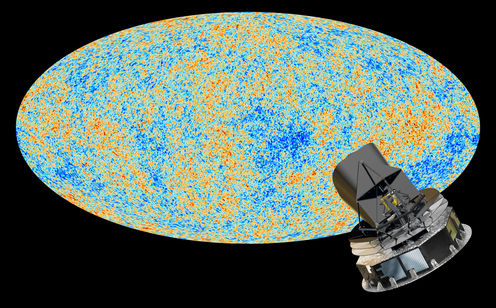
Planck telescope and the Cosmic microwave background. ESA and Planck, CC BY

By Robert Crittenden, University of Portsmouth

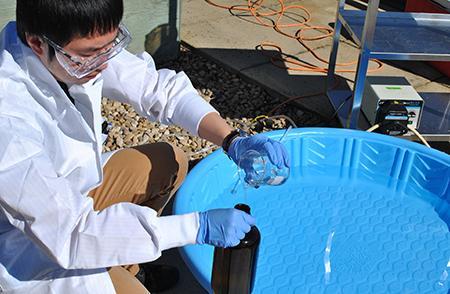
Civil engineering scholars have created a method that uses solar energy to accelerate pond reclamation efforts by industry and that means cleaning up oil sands tailings could be a lot greener.

Instead of using UV lamps as a light source to treat oil sands process affected water (OSPW) retained in tailings ponds, University of Alberta
 professors Mohamed Gamal El-Din and James Bolton have found that using the sunlight as a renewable energy source treats the wastewater just as efficiently but at a much lower cost. 

Oilsands tailings ponds contain a mixture of suspended solids, salts, and other dissolvable compounds like benzene, acids, and hydrocarbons. Typically, these tailings ponds take 20 plus years before they can be reclaimed.

Man has domesticated animals for almost long as man has domesticated crops. In both cases, humans have engaged in genetic modification, selecting the best traits possible.

Because of that legacy, livestock such as sheep offer an intriguing way to examine adaptation to climate change, with a genetic legacy of centuries of selected breeding and a wealth of livestock genome-wide data available. 

In a first-of-its kind study that combined molecular and environmental data, professor Meng-Hua Li et al., performed a search for genes under environmental selection from domesticated sheep breeds. 


But which words will lead to action? Credit: EPA

By James Painter, University of Oxford

Each of the 125 leaders attending the New York climate summit this week has been given four minutes to speak to the world. They (or their aides) may well have dipped into the climate literature to add scientific ballast to their speeches. But they may not be as familiar with the vast array of academic studies on effective communication about climate change.


Climate March, New York City

By Alessandro R Demaio, Harvard University

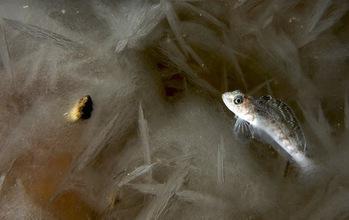
Five families of notothenioid fish inhabit the Southern Ocean, the frigid sea that encircles Antarctica, manufacture their own "antifreeze" proteins to survive.

Their ability to live in the icy seawater is so extraordinary that they make up more than 90 percent of the fish biomass of the region.
 They also suffer an unfortunate side effect: The protein-bound ice crystals that accumulate inside their bodies resist melting even when temperatures warm. 

There is a downside to 'follow the money' arguments made by academics against scientists in pharmaceutical and oil companies - it comes back to haunt them also.

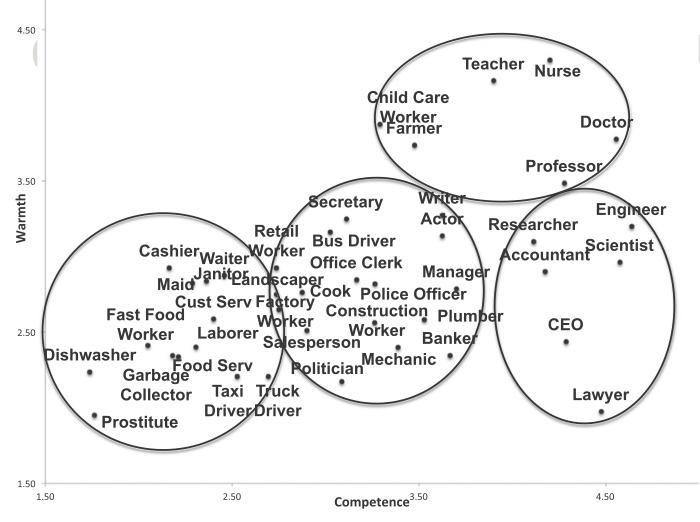
A paper in PNAS finds that Americans seem wary of researchers because they get grant funding and do not trust scientists pushing political and cultural agendas. The public prefers at least the pretense of impartiality from scientists who are paid by taxpayers. And it wouldn't hurt if scientists came off less angry and a little "warmer" when they engage in outreach, according to a new review published by Princeton University's Woodrow Wilson School of Public and International Affairs in the Proceedings of the National Academy of Sciences (PNAS).


