






Long after gluten-free, low-fat and tapeworm diets have been consigned to the dustbin of quaint health fad history, vegetarians will still insist their way of is better.

In at least one way, they may be right. It's one of the few dietary choices that has a long enough history for real data to exist, and an analysis of seven clinical trials and 32 studies published from 1900 to 2013 in which participants ate a vegetarian diet, and in which differences in blood pressure (BP) associated with eating a vegetarian diet were measured, found that eating a vegetarian diet was associated with a reduction in the average systolic (peak artery pressure) and diastolic (minimum artery pressure) BP compared with eating an omnivorous (plant and animal) diet.
If you were pregnant, did you ever take a Tylenol?

If not, you have unreal levels of tolerance for discomfort but if you did, and you think your child is hyperactive, a new study may have some answers. Not 'why' answers, just a 'perhaps' answer. But look for mainstream media to declare that Tylenol causes attention-deficit/hyperactivity disorder (ADHD) in kids.
Anyone who has had to deal with Hospice for a loved one has to been impressed with the level of compassion and concern and caring they bring.

But they are not all the same, and a paper in JAMA Internal Medicine finds a way to create a little bit of class warfare about that.
A cookbook editor in the New York Times says I am wrong on the gluten-free fad and that, if it makes people feel better to buy gluten-free, to leave them alone. 

Well, well, well, look at the New York Times embracing libertarianism and food choice when it comes to fads their demographic happens to embrace. Like with sugar and GMOs, they want science and reason to stay out of it, because those are weird fetishes of a large chunk of their readership, while we are constantly told how stupid people are if they don't accept global warming. Right?
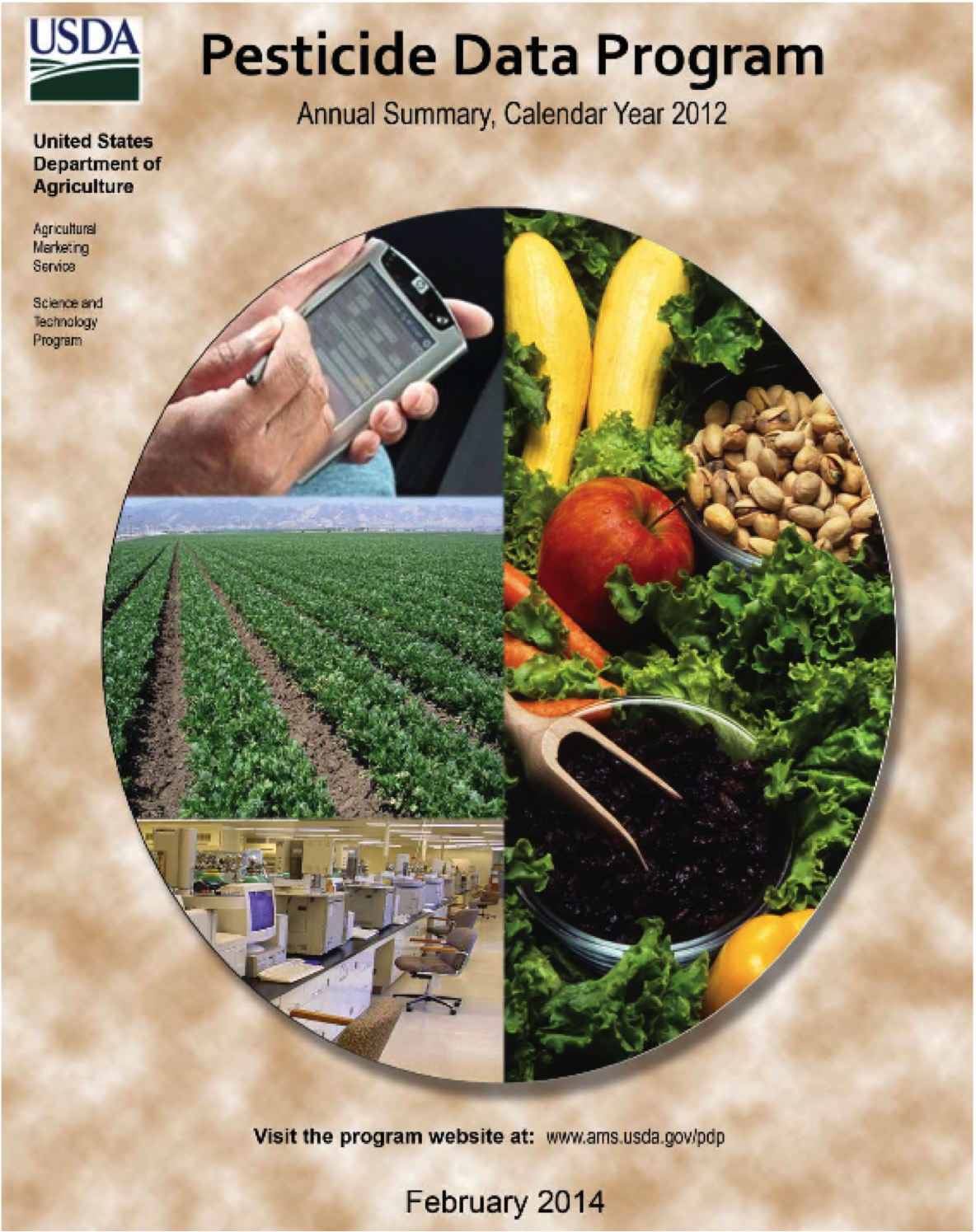
Last week, the USDA released its annual Pesticide Data Program (PDP) report about pesticide residues on food.

This release comes from extensive sampling of crops entering the market during 2012.

Eating is a biological necessity that became a communal activity. If you have gotten used to eating popcorn at the movies with your family, you either have to avoid going to the movies or have the willpower to say no to the popcorn.

Not everyone can do it. The presence of friends, late night cravings or alcohol can make dieting difficult too. Research led by University of Birmingham sport and exercise scholar Heather McKee monitored the social and environmental factors that make people, who are following weight management programs, cheat. 

Researchers say they have cleared up one aspect of how our bowels move that has mystified scientists for, well, forever. 

It isn't all unknown. Segmentation motor activity in the gut that enables absorption of nutrients was described in the late 1800s. But now gastroenterologist Jan Huizinga and a team have learned that of the two types of movement, segmentation motion occurs when not one but two sets of pacemakers interact with each other to create a specific rhythm.

They then work together with nerves and muscle to generate the movement that allows for nutrient absorption. The other type of movement moves the food along.

Periodontal disease occurs in 13 percent of humans today. Why are humans even susceptible to periodontal disease, when most animals do not get periodontal disease? Is it human behavior or something else that contributes to chronic inflammatory disease in humans?

It can't be modern living or dental hygiene. The inflammatory disease-causing bacteria has been found in a Medieval German population, by analyzing the dental calculus - plaque - from teeth preserved for 1,000 years.

If it's a “postmodern” 21st Century version of range sciences you're after, you can do no better than check out the website of the Jornada Experimental Range, Las Cruces, New Mexico,US.
The Byzantine Empire arose after the death of the Roman Emperor Constantine. To make the empire more manageable, it was split into eastern and western halves, with Rome as the seat of the west and Constantinople as the capitol of the east. Unlike Rome of the time, the Byzantine Empire coupled military might and the religious authority of the Church.

When the Roman Empire collapsed and led Europe into the Dark Ages, the Byzantine Empire continued on and it continued to modernize. You don't last for a thousand years, including holding off Muslim invaders for much of that time, without doing some things right. They finally collapsed in 1453, when Constantinople was captured by Turks. It is known as Istanbul today.

