Approximately a million people in the U.S. are living with HIV and up to 15 percent may not even know they are infected. In Februrary, the U.S. Department of Health and Humans Services announced a new initiative, Ending the HIV Epidemic: A Plan for America, to reduce new infections by 75 percent in the next five years and by 90 percent in the next ten years, averting more than 250,000 HIV infections in that span.
In the movie "Erin Brockovich", actress Julia Roberts portrayed a clerk who got energy company PG&E worried enough about a jury being scared of science they wrote her boss a giant check. Because Hollywood is in California, the state government was motivated to declare the compound harmful and put in tighter restrictions.
The concern from the science community was that no one was being harmed. It's a slippery slope from demonizing a scary sounding chemical in water to doing the same thing to vaccines or weedkillers. Which is exactly what has happened, and California has led the way in both cases.
Every regulatory body in the world has found that the weedkiller glyphosate is only harmful for plants. And huge studies
of over 50,000 farmers have found the same.
That hasn't stopped trial lawyers and trade groups that aid them or promote competitors to glyphosate, such as Organic Consumers Association or Center for Food Safety, from insisting the studies are flawed because they are "industry funded." They know their customers, and hopefully potentially jurors, aren't aware that all safety studies must be paid for by industry. It would be wrong to let companies create products and then hand them to the government and force taxpayers to pay for a product that corporations will then patent.
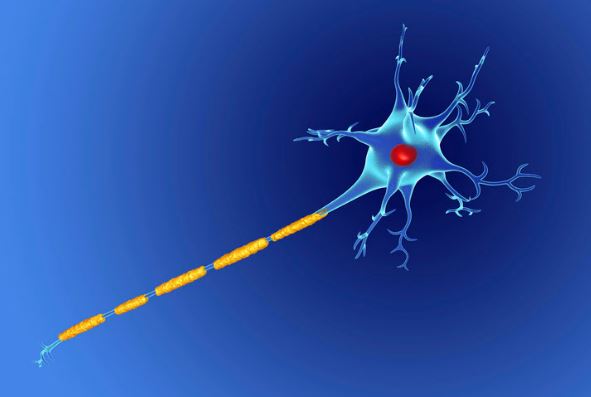
With a tricky disease like multiple sclerosis, where symptoms and MRI testing results can look like other conditions, such as stroke, migraines and vitamin B12 deficiency, it's common to be misdiagnosed with other things first. A new analysis of patients diagnosed with multiple sclerosis before being referred to two major Los Angeles medical centers flipped the script; it found that 18 percent didn't have the autoimmune disease at all.
The results showed that nearly 18 percent of patients diagnosed with multiple sclerosis before being referred to two major Los Angeles medical centers for treatment actually had been misdiagnosed with the autoimmune disease. The patients spent an average of four years being treated for MS before receiving a correct diagnosis.
Yes, this is supposedly a particle physics blog, not a machine learning one - and yet, I have been finding myself blogging a lot more about machine learning than particle physics as of late. Why is that?
Well, of course the topic of algorithms that may dramatically improve our statistical inference from collider data is of course dear to my heart, and has been so since at least two decades (my first invention, the "inverse bagging" algorithm, is dated 1992, when nobody even knew what bagging was). But the more incidental reason is that now _everybody_ is interested in the topic, and that means all of my particle physics and astroparticle physics colleagues.
University of Bonn environmentalists and economists
say Peru's National Forest Conservation Program needs to do more ro protect the rainforest.
Peru, on the other hand, is navigating the shackled man problem(1); that developed countries want the rest of the world to limit progress now that rich economies are already doing well. So in 2010 they launched a program to protect the rainforest but Europeans criticize that its effect is still too small. Further, they want Peru to enact three more stringent measures and if governments in Europe agree Peru has to at least consider it because they are held hostage by international governments funding the program.
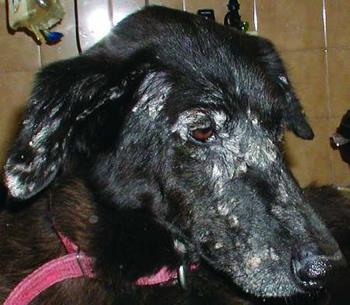
Canine leishmaniosis is a potentially fatal infection caused by the parasite Leishmania infantum, carried by the female sand fly and transmitted in its bite. It is zoonotic, so can be passed on to people but dogs have been known to pick up the infection after being bitten or wounded by another infected dog.
That's rare, and in the UK cases to-date have only been associated with blood transfusion, breeding programs, or overseas travel but a 3 year old neutered male shih tzu cross, which had been with its owner since a puppy and had none of the known risk factors for infection, was recently diagnosed with leishmaniosis in Hertfordshire.
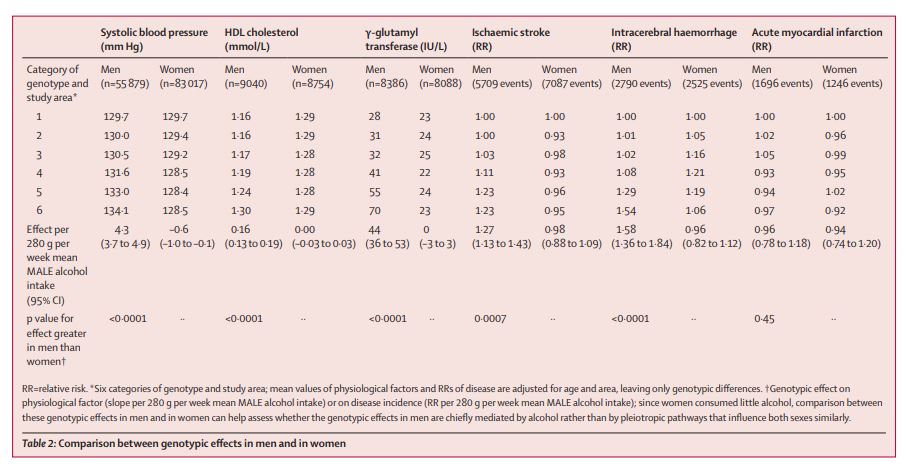
Blood pressure and stroke risk increase steadily with sedentary lifestyle, obesity and of course the biggest risk is age. Many want to optimize their time living to prevent debilitating injuries and epidemiologists are happy to find a statistical correlation for everything; that is why some embrace supplements, some embrace organic food, and some embrace alcohol use.
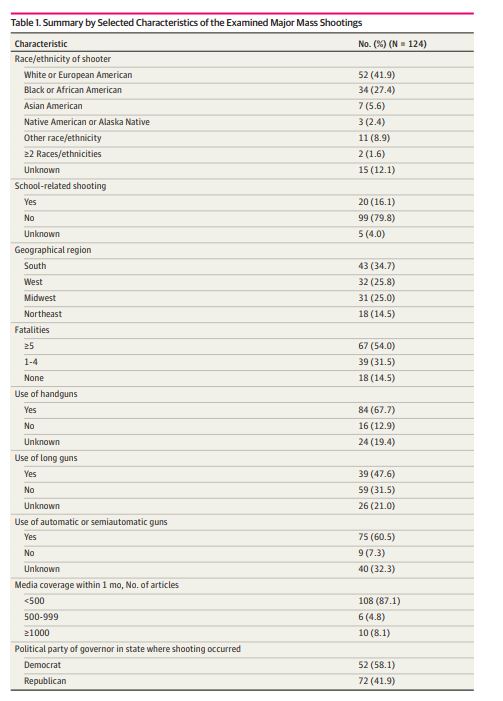
For a recent paper, researchers examined monthly data on U.S. background checks for gun purchases and permits from November 1998 through April 2016, looking for purchasing trends after shootings during that time.
When media coverage highlighted shootings, they found there were increases in handgun purchases. Only after high-fatality shootings were there decreases. The authors segmented results by the shooter’s race/ethnicity, the region where the shooting occurred, if a shooting was school related, fatalities, if it was a handgun or rifle, automatic or semiautomatic, the extent of media coverage level, and state political affiliation.
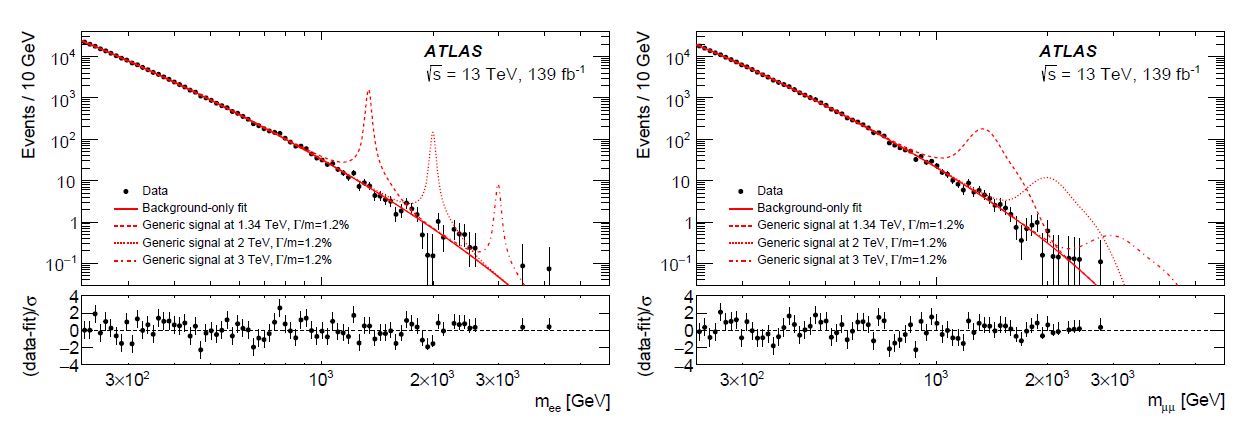
For the tenth anniversary of this blog being hosted by Science 2.0, which is coming in a few days, I decided to reinstall the habit I once had of weekly picking and commenting on a result from high-energy physics research, a series I called "The Plot Of The Week". These days I am busier than I used to be when this blog started being published here, so I am not sure I will be able to keep a weekly pace for this series; on the other hand I want to make an attempt, and the first step in that direction is this article.