





Scientists are researching new ways of harnessing the sun’s rays which could eventually make it cheaper for people to use solar energy to power their homes.

The experts at Durham University are developing light-absorbing materials for use in the production of thin-layer solar photovoltaic (PV) cells which are used to convert light energy into electricity.

The four-year project involves experiments on a range of different materials that would be less expensive and more sustainable to use in the manufacturing of solar panels.

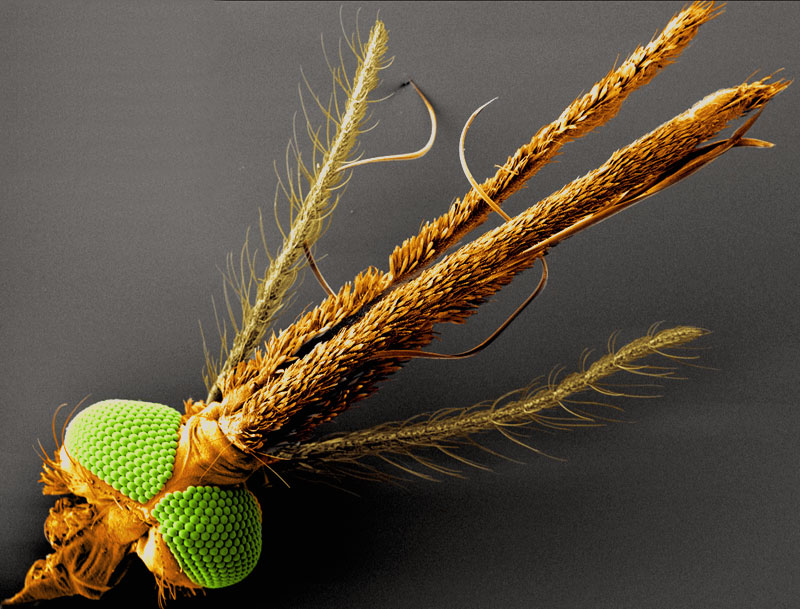
By mapping a specialized sensory organ that the malaria mosquito uses to zero in on its human prey, an international team of researchers has taken an important step toward developing new and improved repellants and attractants that can be used to reduce the threat of malaria, generally considered the most prevalent life-threatening disease in the world.

The sensory organ is the maxillary palp. It is one of three structures extending from the mosquito’s head that together provide it with its sense of smell and taste.

A team of scientists led by young Croatian evolutionary geneticist Tomislav Domazet-Lošo from Ruder Boškovic Institute (RBI) in Zagreb, Croatia, developed a novel methodological approach in evolutionary studies.

Using the method they named 'genomic phylostratigraphy', its authors shed new and unexpected light on some of the long standing macroevolutionary issues, which have been puzzling evolutionary biologists since Darwin.

The only direct method of research in evolutionary history involves analyzing the fossil remains of once living organisms, excavated in various localities throughout of the world. However, that approach often cannot provide the full evolutionary pathway of some species, as it requires uncovering of many fossils from various stages of its evolutionary history.

A new method for fighting skin wrinkles has been developed at the Hebrew University Faculty of Agriculture, Food and Environmental Quality Sciences.

In her doctoral research at the university, Dr. Orit Bossi succeeded in isolating a plant-based antioxidant that delays the aging process by countering the breakdown of collagen fibers in the skin. Dr. Bossi conducted her research under the supervision of Zecharia Madar, the Karl Bach Professor of Agricultural Biochemistry at the Hebrew University, and Prof. Shlomo Grossman of Bar-Ilan University.

Antioxidants operate against free radicals which cause a breakdown of many tissues in the body, including the skin. When found in small quantities in the body, free radicals are not harmful and are even involved in various physical processes.

Large continental ice sheets did not exist in both hemispheres around 41 million years ago during the warmer-than modern conditions of the time.

This is the finding of scientists from the University of Southampton's School of Ocean and Earth Science at the National Oceanography Centre, Southampton (NOCS), reported in Nature.

The Eocene epoch (55 to 34 million years ago) was the last interval of sustained global warmth in Earth's history, a likely consequence of atmospheric carbon dioxide levels much higher than today. It has been known for some time that, at the end of the Eocene, ice sheets on Antarctica first expanded to close their modern size.

Expect to see a lot of headlines like "Get drunk, stay cancer free" from science sites that shoot for headlines rather than fact after a university study showed a compound in red wine may help reduce the risk of developing prostate cancer.. The plain truth is the anti-oxidant compound in red wine, resveratrol, is also found in grapes, raspberries, peanuts and blueberries.

You can still get drunk, but it isn't necessary.

Male mice in the study were fed resveratrol and showed an 87 percent reduction in their risk of developing prostate tumors that contained the worst kind of cancer-staging diagnosis. The mice that proved to have the highest cancer-protection effect earned it after seven months of consuming resveratrol in a powdered formula mixed with their food.

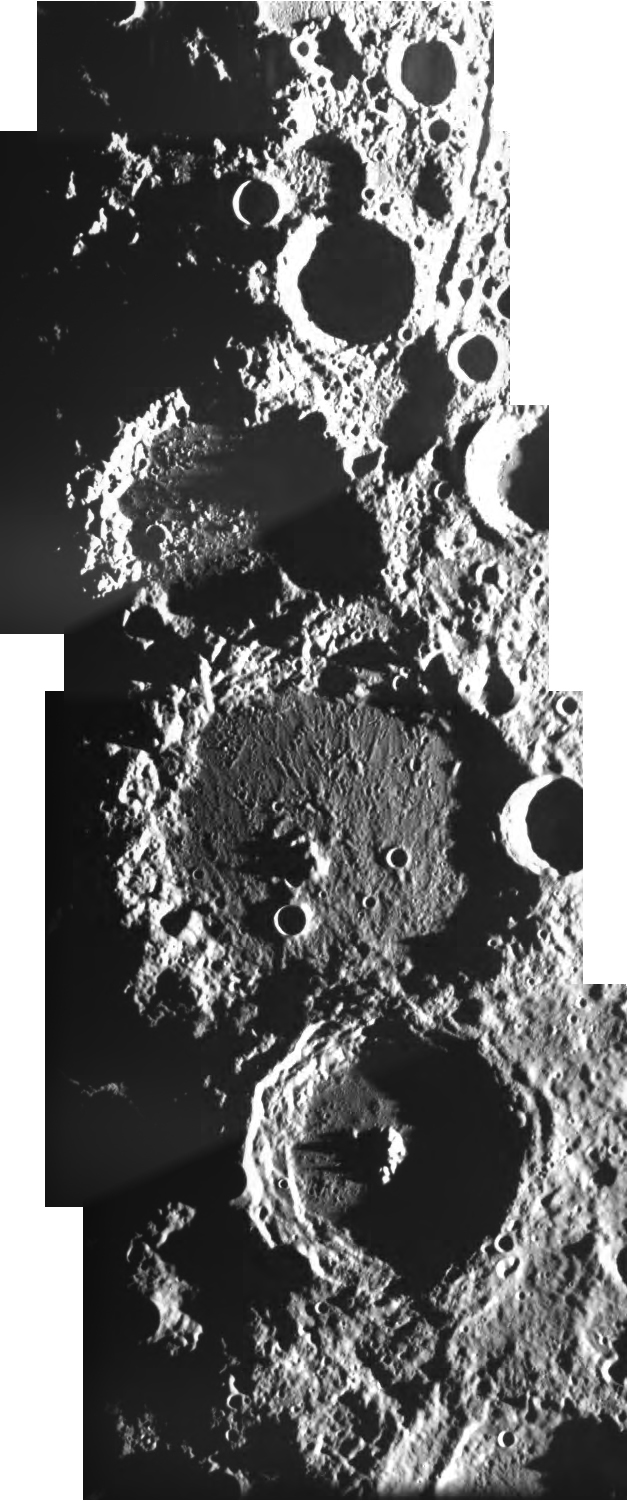
One year ago ESA's SMART-1 landed on the moon.

For researchers, the moon is a geophysical laboratory where impacts, volcanism, tectonics and effects of space weather can be studied to put together the story of the Moon’s past. The geochemistry and thus the origins of the Moon, the evolution of the Earth-Moon system and the bombardment of the inner solar system are topics addressed under lunar formation and evolution.

Experts from the SMART-1 team are now working on data calibration, analysis, archival and distribution for the scientific community and are supporting collaborations with upcoming lunar missions.

Joan Roughgarden has responded to my comment about her recent KQED radio appearance. Her response includes this:

Today, in 2007 only a few, like Roberts, still take Bailey’s work seriously.

In 2006, Bailey’s work was featured on 60 Minutes in a piece titled “The Science of Sexual Orientation.” After the piece aired, a blogger criticized Bailey. Shari Finkelstein,the producer, responded:


Previous studies have shown that there is a very weak correlation between experts’ judgments of cultural entertainment, such as movies, and popular judgment. These findings have been taken to mean that ordinary people don’t have “good taste.”

However, a new study by researchers at Columbia University and Boccini University, Italy, argues that when controlling for marketing campaigns, regular consumers show more “good taste” than previously thought.

The most common working definition of “good taste” utilizes the judgment of experts, who have honed their understanding of a particular cultural field through a long period of training.

Starting to diet seems to double the odds a teenage girl will begin smoking, a University of Florida study has found.

UF researchers, who analyzed the dieting and smoking practices of 8,000 adolescents, did not find the same link in boys, who were also less likely than girls to diet, according to findings released Friday in the American Journal of Health Promotion.

“Dieting was a significant predictor of initiation of regular smoking among females,” said Mildred Maldonado-Molina, Ph.D., a UF assistant professor of epidemiology and health policy research and lead author of the study. “We were expecting that this relationship was going to be stronger among females. That has been well-documented, especially because (nicotine) can suppress your appetite.

