Fake Banner
Theory Of Mind Is Wrong About Autistic People

For four decades, a controversial idea has shaped how autism is understood by researchers, healthcare...

Bacteroides Fragilis May Be A Fifth Columnist Helping Colon Cancer In Your Body

The gut bacterium Bacteroides fragilis has long presented researchers with a paradox. It has been...

Losing Weight Improves The Heartbreak Of Psoriasis For Some

For many people living with psoriasis, the red, scaly skin patches are only part of the story....

Healthcare In Space - The First Medical Evacuation From The ISS

For the first time in 25 years of continuous crewed operations, an astronaut has been medically...

User picture.
The ConversationRSS Feed of this column.

The Conversation is an independent source of news and views, funded by the academic and research community and delivered direct to the public. The Conversation launched in Australia in March 2011.... Read More »

Blogroll
Recommended antibiotic courses are often arbitrary.

Most people believe – and have been told by health professionals – that it’s essential to finish a course of antibiotics to prevent antibiotic resistance.

But this advice is not only wrong, it could actually be harmful.

Since it was revealed that Andreas Lubitz – the co-pilot who purposefully crashed Germanwings Flight 9525, killing 150 people – had been treated for psychiatric illness, a debate has ensued over whether privacy laws regarding medical records should be less strict when it comes to professions that carry special responsibilities.

It has been widely argued that Germany’s privacy laws were to blame for the tragedy. The Times, for example, headlined an article: “German obsession with privacy let killer pilot fly.” Similarly, another article published in TIME said “German privacy laws let pilot ‘hide’ his illness from employers.”

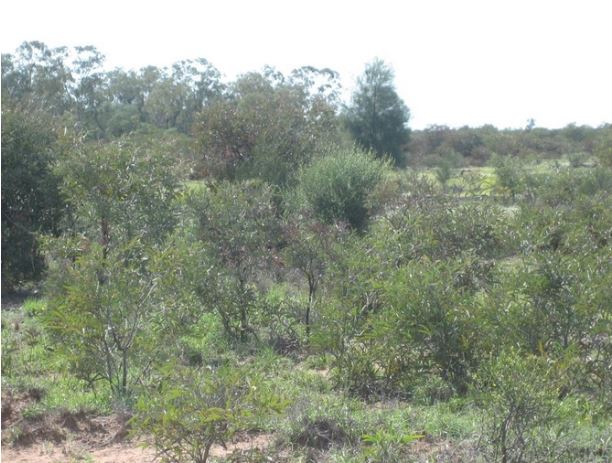
Climate change and the loss of biodiversity are two of the greatest environmental issues of our time. Is it possible to address both of those problems at once?

In Australia, farmers and landholders will this week be able to apply for payments through the Federal government’s A$2.55 billion Emissions Reduction Fund. Bidders can request funding for projects that reduce emissions using agreed methods, which include approaches relevant to the transport, waste and mining sectors, as well as the land sector: for example, by managing or restoring forests.

Shaved heads have come in and out of fashion over the past few decades, but some people don’t have the option of allowing their locks to grow.

Thankfully, for those who do suffer from hair loss, or alopecia, help may be at hand. Somewhat counter-intuitively an effective treatment for baldness may come from plucking a certain number of hairs – in a specific formation – from the scalp.

The tragic death recently of a young Queensland boxer raised the question of safety in the sport and whether boxing should be banned.

Claims that boxing is safer than a number of very popular and well-accepted sports warrant careful scrutiny as they often derive from overly simplistic analyses.

The risks associated with boxing should never be trivialized, but science and technology could possibly help to mitigate them.

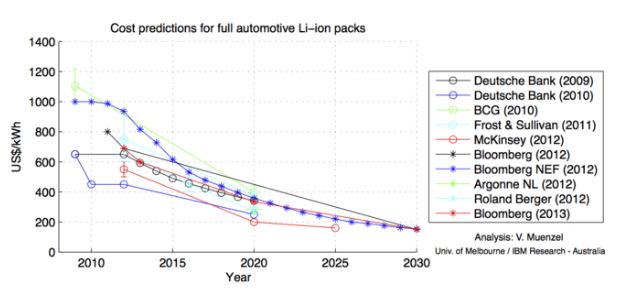
The cost of batteries is one of the major hurdles standing in the way of widespread use of electric cars and household solar batteries. By storing surplus energy, batteries allow households to reduce power bought from the electricity grid. Unfortunately, batteries have so far been prohibitively expensive.

But research published recently in Nature Climate Change Letters shows battery pack costs may in some cases be as low as US$300 per kilowatt-hour today, and could reach US$200 by 2020. This cost development is notably cheaper and faster decreasing than I and many others expected.