Fake Banner
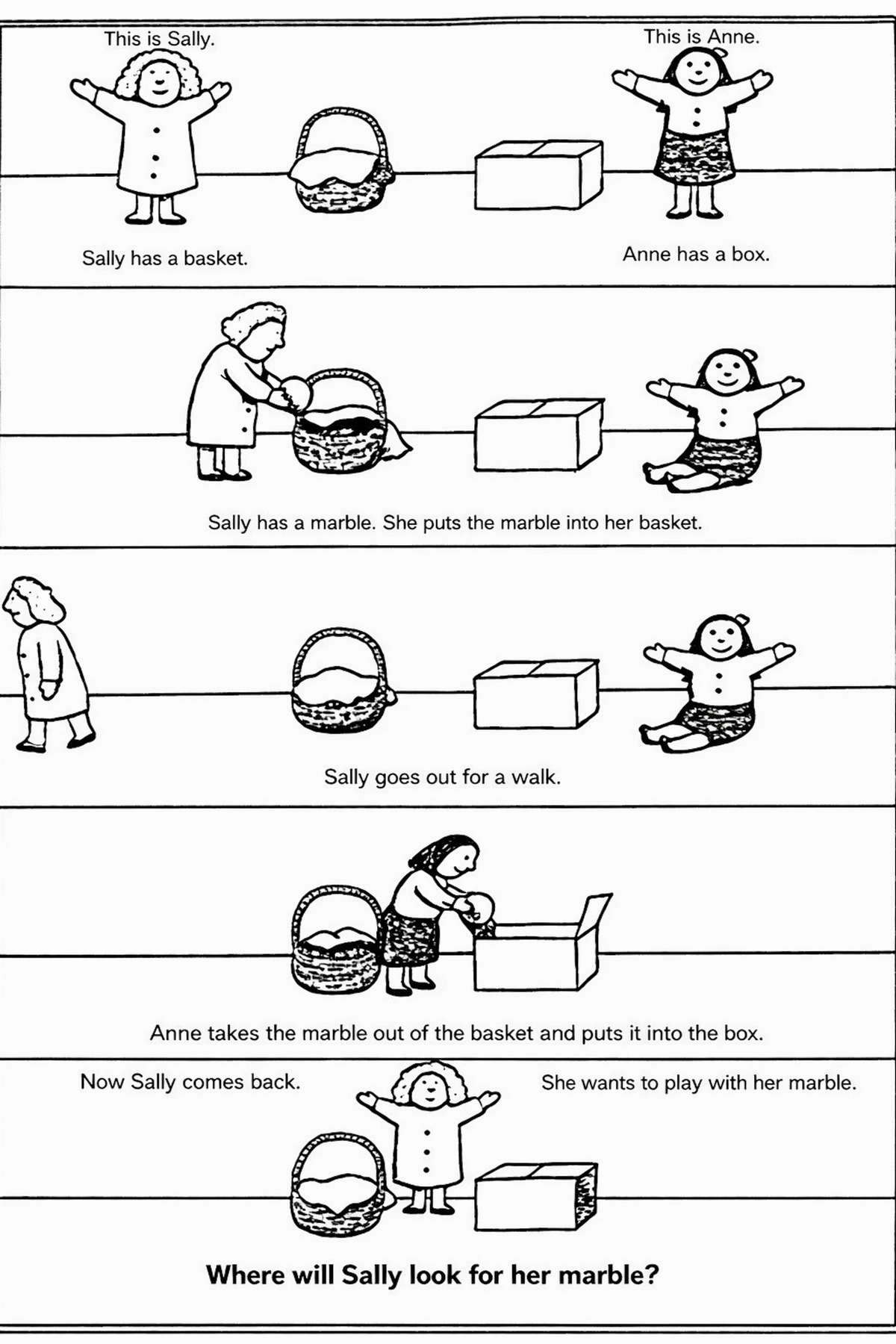
Theory Of Mind Is Wrong About Autistic People

For four decades, a controversial idea has shaped how autism is understood by researchers, healthcare...
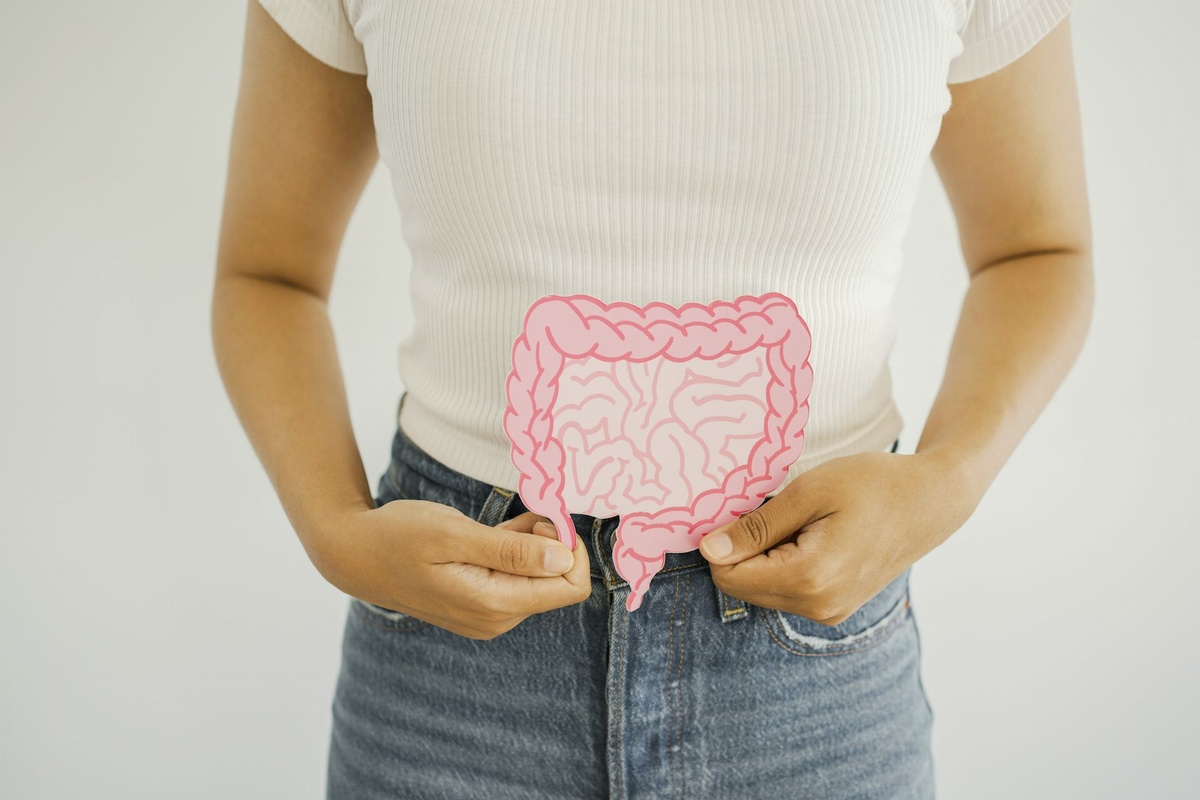
Bacteroides Fragilis May Be A Fifth Columnist Helping Colon Cancer In Your Body

The gut bacterium Bacteroides fragilis has long presented researchers with a paradox. It has been...
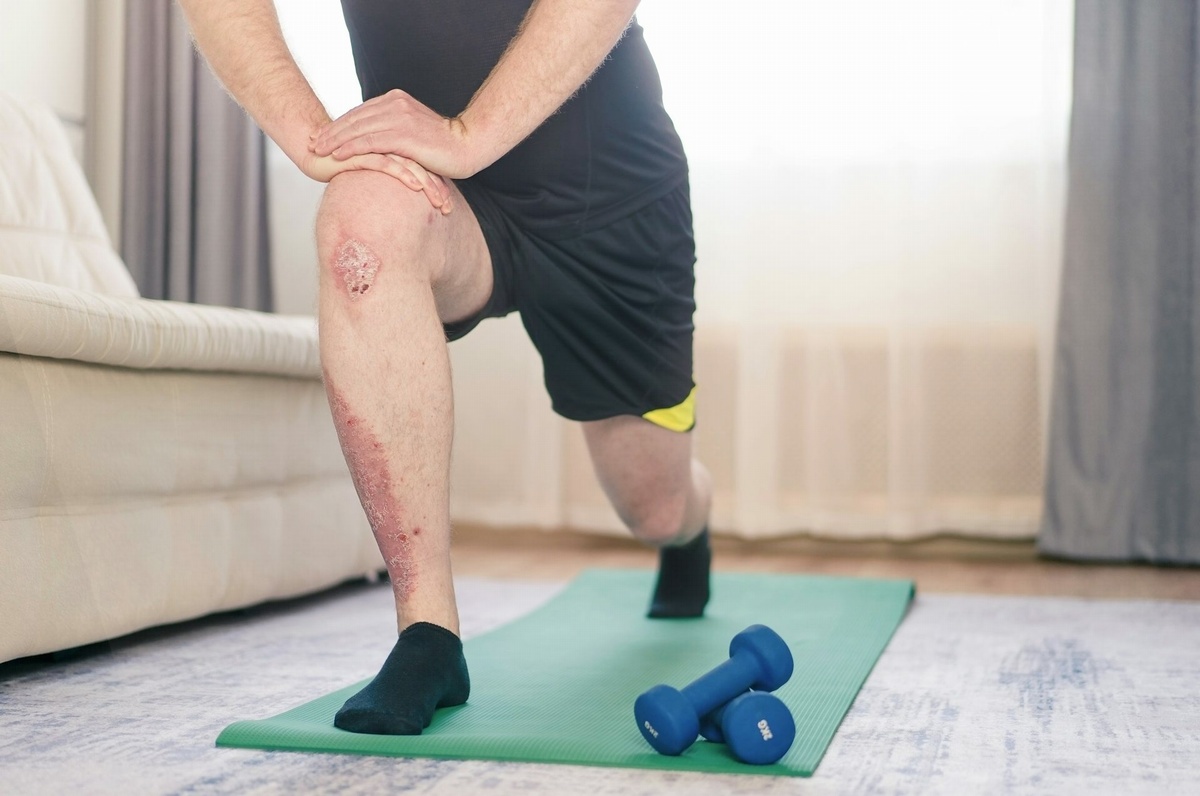
Losing Weight Improves The Heartbreak Of Psoriasis For Some

For many people living with psoriasis, the red, scaly skin patches are only part of the story....
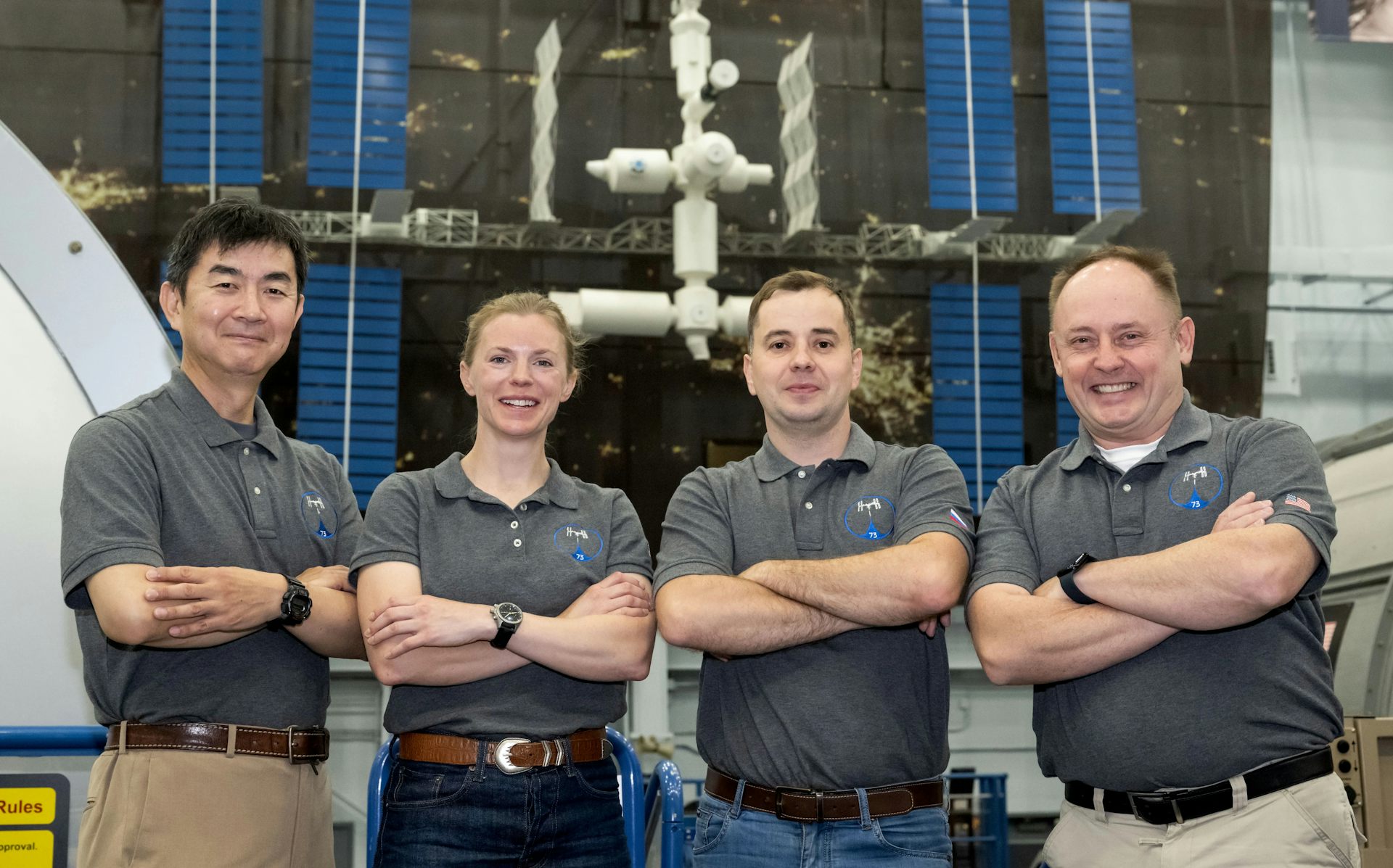
Healthcare In Space - The First Medical Evacuation From The ISS

For the first time in 25 years of continuous crewed operations, an astronaut has been medically...

User picture.
The ConversationRSS Feed of this column.

The Conversation is an independent source of news and views, funded by the academic and research community and delivered direct to the public. The Conversation launched in Australia in March 2011.... Read More »

Blogroll

Infertility is becoming a public health issue in Europe. Declining birth rates over the past 50 years mean that Europe is only producing 1.6 children per woman – hardly satisfactory to compete on the global stage against increasing populations of fit and able youth from the emerging economies of India and China. And the problem is getting worse: couples reporting infertility in centers across Europe is increasing by 8-9% annually.

There is bad news for those planning to go to Mars in the near future: a study in mice has suggested that radiation in space could cause cognitive decline in astronauts. However, we know from past research that mental, social and physical exercise can boost cognitive functions. With planned Mars missions moving ever closer, it might be be worth exploring activity as a way to counter radiation damage.

Top image: Chandler Collins, CC BY-SAAlcoholic drinks should all carry calorie counts according to a leading UK public health doctor writing in the BMJ today, because of their contribution to obesity. Fiona Sim, Chair of the UK Royal Society for Public Health, writes that while adults who drink may be getting as much as 10% of their daily calories from alcohol, most people are unaware drinking contributes to their energy intake.

Economic sanctions and divestment campaigns are attractive but often flawed tactics for accomplishing international political goals.

The social stigma the campaigns create often fails to match the economic pain these campaigns inflict, making the costs of resisting them for governments like Russia, Syria and Iran tolerable in most cases.

Indeed, sanctions succeed less than a third of the time they are imposed, according to researchers at the nonpartisan Peterson Institute for International Economics, and divestment campaigns have an even less certain track record.

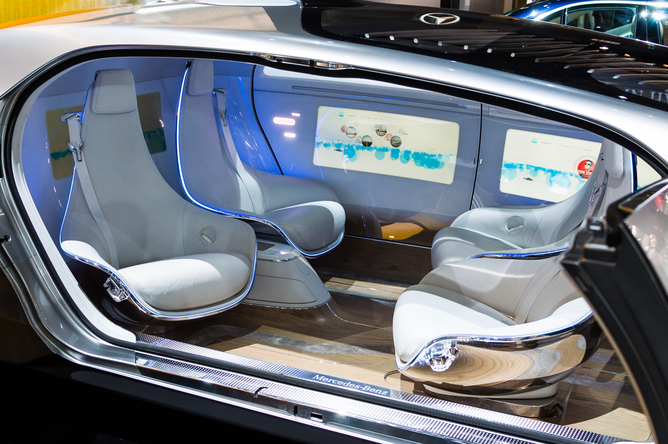
Self-driving cars are expected to revolutionize the automobile industry. Rapid advances have led to working prototypes faster than most people expected. The anticipated benefits of this emerging technology include safer, faster and more eco-friendly transportation.

Can earthquakes ever be predicted? This question is timely after the magnitude 7.8 earthquake that struck Nepal recently. If authorities had more warning that the earthquake was coming, they may have been able to save more lives.

While Nepal is a documented area of previous seismic activity, at the moment there is no technique that provides predictions of sufficient clarity to allow for evacuations at short notice. So if we cannot predict these events now, are there avenues of research to provide useful predictions in the future?