Fake Banner
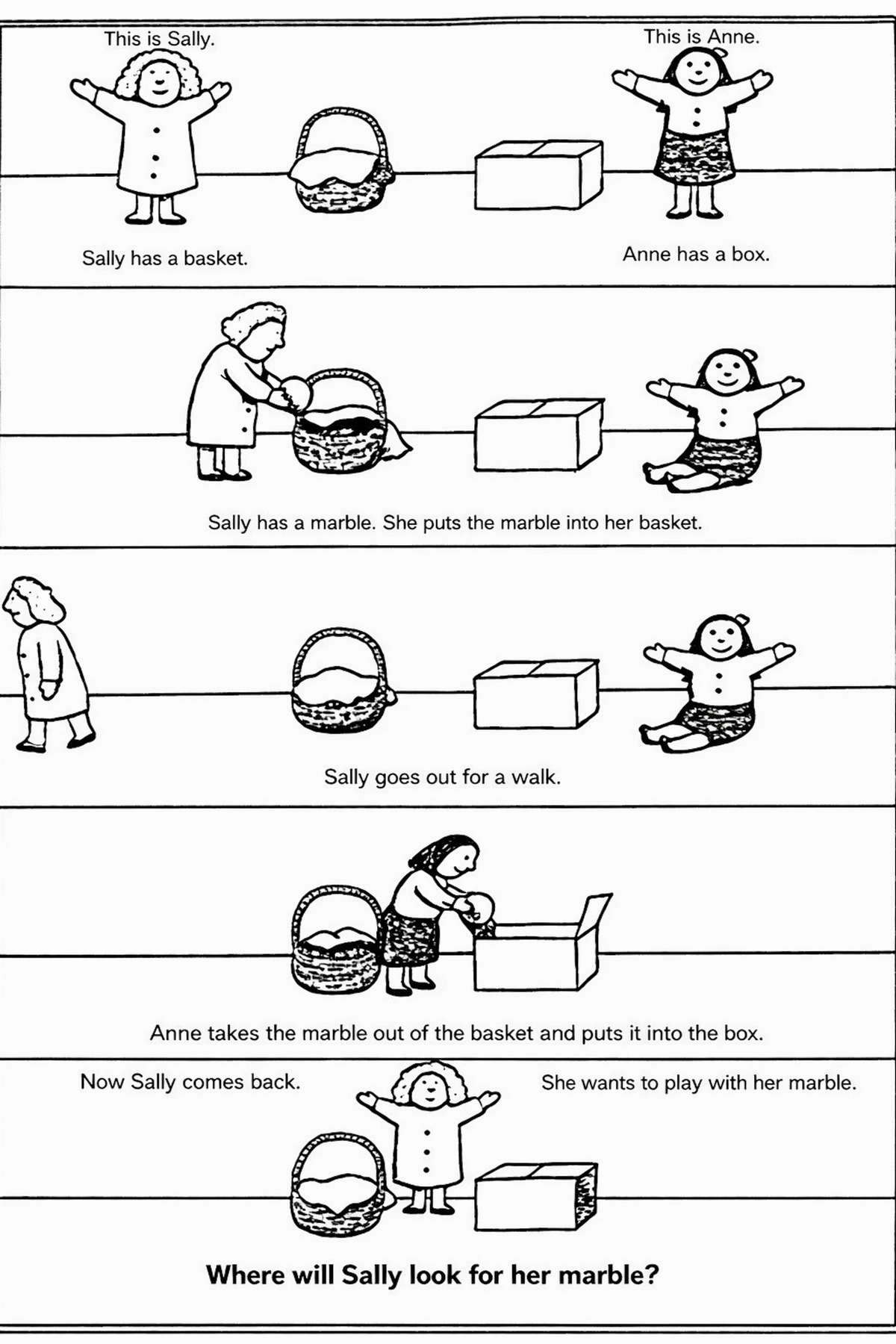
Theory Of Mind Is Wrong About Autistic People

For four decades, a controversial idea has shaped how autism is understood by researchers, healthcare...

Bacteroides Fragilis May Be A Fifth Columnist Helping Colon Cancer In Your Body

The gut bacterium Bacteroides fragilis has long presented researchers with a paradox. It has been...

Losing Weight Improves The Heartbreak Of Psoriasis For Some

For many people living with psoriasis, the red, scaly skin patches are only part of the story....

Healthcare In Space - The First Medical Evacuation From The ISS

For the first time in 25 years of continuous crewed operations, an astronaut has been medically...

User picture.
The ConversationRSS Feed of this column.

The Conversation is an independent source of news and views, funded by the academic and research community and delivered direct to the public. The Conversation launched in Australia in March 2011.... Read More »

Blogroll

Since the Great Recession ended in 2009, the recovery in jobs has lagged behind that of Corporate America.

Corporate profits and business purchases of equipment and software returned to or near records within a year, yet unemployment remained stubbornly high – even though hiring usually tracks spending.

Even today, with joblessness at 5.7%, the labor force participation rate has declined to 63% from 67% before the recession, signaling many adults have simply quit looking for work. And in many parts of the US, unemployment remains elevated.

There has been excitement among researchers in recent years that playing certain video and computer games may strengthen core components of cognition, helping us to make quicker decisions, think more fluidly, and avoid harmful distractions.

Two women recently had their research paper rejected by a science journal based on an incredibly sexist review of their work – an event that has caused outrage on social media.

While the journal, PLOS ONE, has apologized and given the authors a second chance, not everyone is as lucky.

The case provides an opportunity for journals to adopt an open peer-review system – a process in which scientists evaluate the quality of other scientists' work – so that reviewers cannot hide behind anonymity. But it also shows it is time to get tough on the widespread biases in universities.

We all know how irritating it is to have an inbox flooded with junk mail.

Fortunately email providers these days contain filters to keep the junk mail at bay.

As a result the junk mail folder tends to pile up with never-to-be-read emails.

But, occasionally, an important email is snagged by the filter and is unduly ignored.

We can think of the human genome as a server sending out a constant bombardment of emails. These messages are on average 2,000 letters long, and these “letters” are made up of different types of bases, some of which are packaged in the form of RNA.

Even before Jacqueline Ho enrolled in her first environmental studies course at college, her thinking about climate change had been shaped during her years growing up in Singapore reading books by the environmental writer and activist Bill McKibben.

At college, ideas first planted by McKibben were reinforced in courses where she read classics by Aldo Leopold and Garrett Hardin, along with recent books by Van Jones and Elizabeth Kolbert.

With these authors anchoring her understanding, it was easy for Ho to believe about climate change “that fossil fuel corporations were to blame, that we had a suite of low-carbon technologies we could deploy immediately, and that grassroots solutions held promise,” she recalls.

The latest article exploring sexism in academia suggests that it no longer exists. Some have already grumbled about flaws in the study’s design. But more than that, I simply don’t believe the finding because there is clear evidence that sexism still exists.