

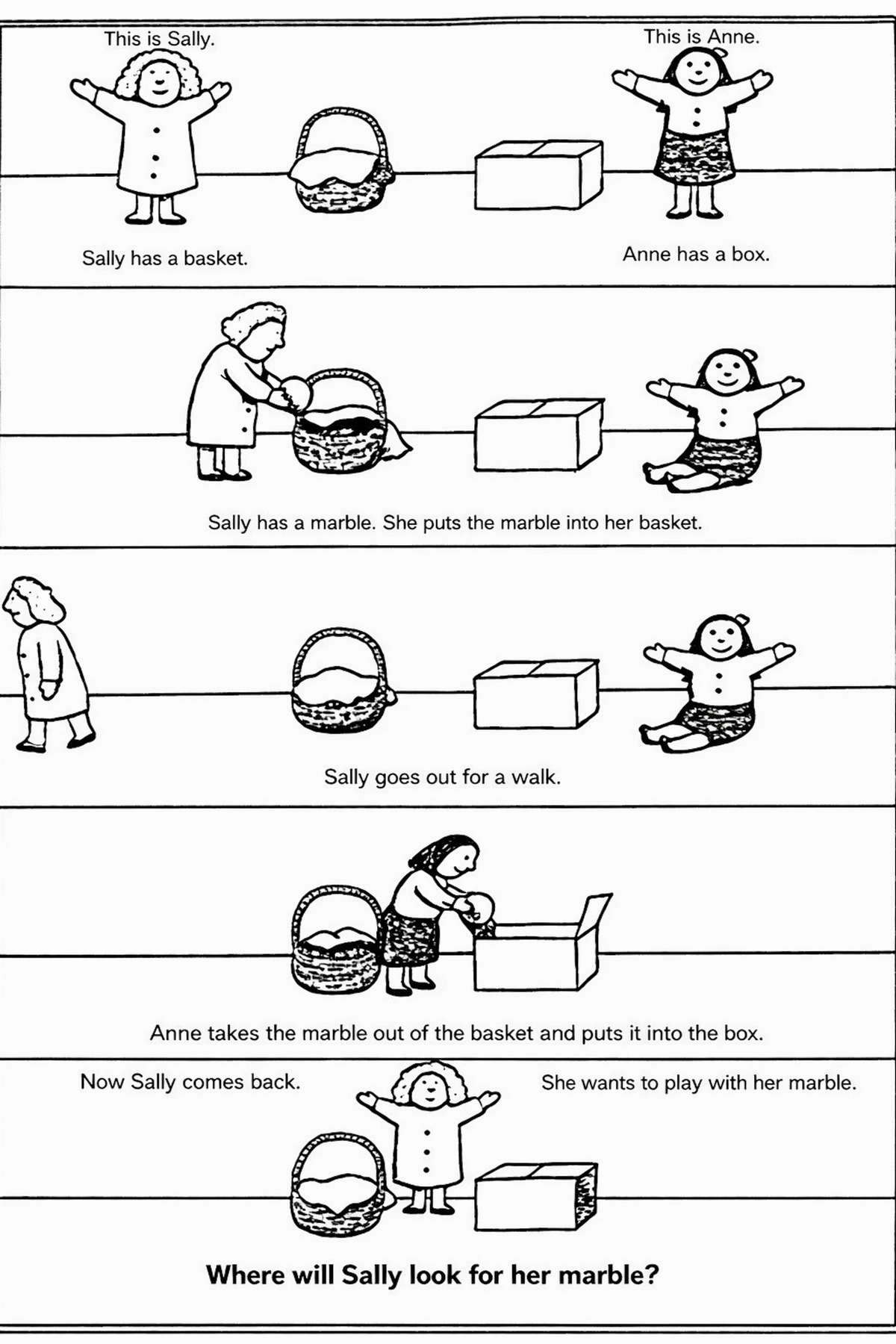
 Theory Of Mind Is Wrong About Autistic People
For four decades, a controversial idea has shaped how autism is understood by researchers, healthcare...
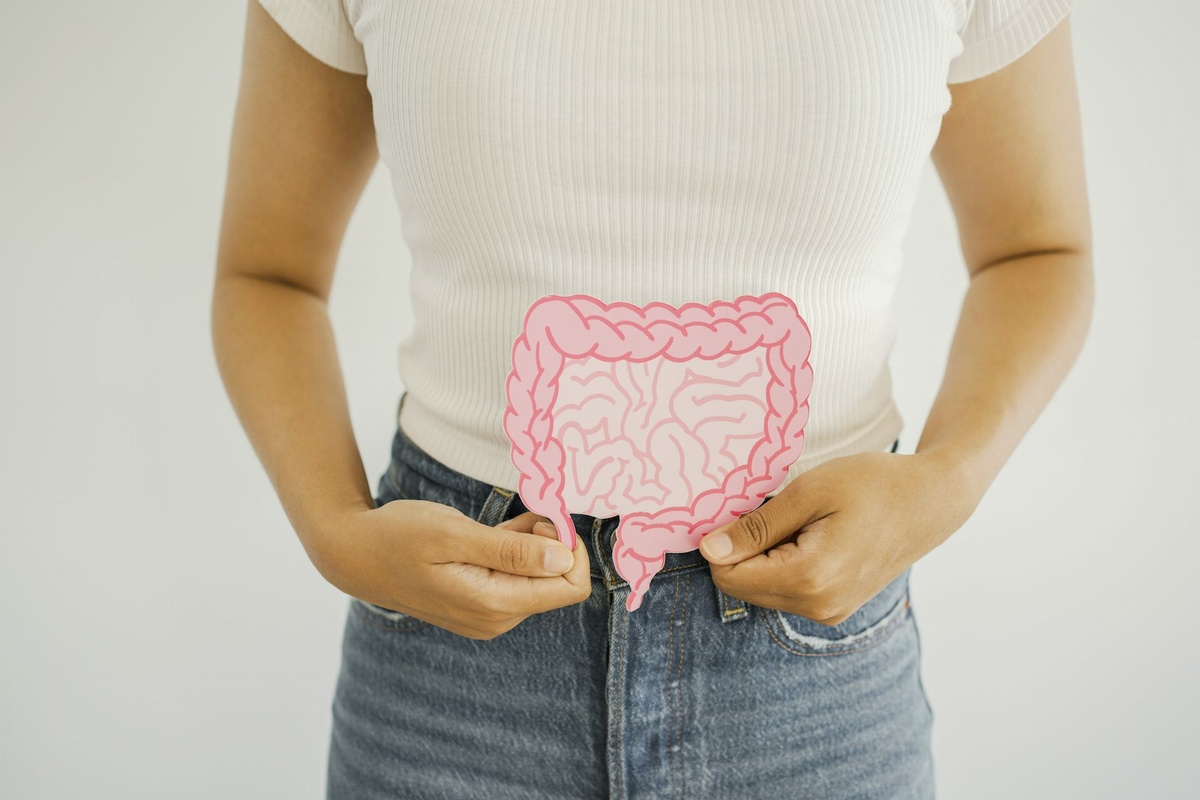 Bacteroides Fragilis May Be A Fifth Columnist Helping Colon Cancer In Your Body
The gut bacterium Bacteroides fragilis has long presented researchers with a paradox. It has been...
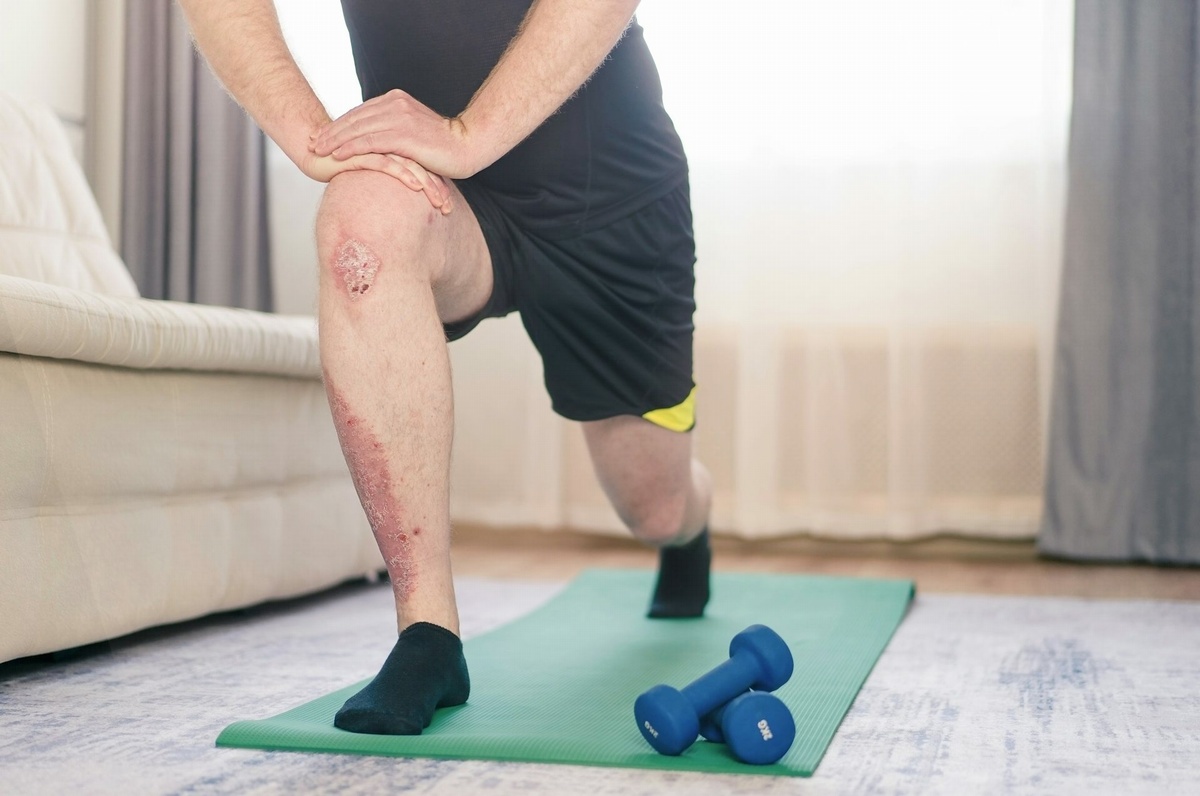 Losing Weight Improves The Heartbreak Of Psoriasis For Some
For many people living with psoriasis, the red, scaly skin patches are only part of the story....
 Healthcare In Space - The First Medical Evacuation From The ISS
For the first time in 25 years of continuous crewed operations, an astronaut has been medically...

|
The Conversation The Conversation is an independent source of news and views, funded by the academic and research community and delivered direct to the public. The Conversation launched in Australia in March 2011.... Read More » |
Blogroll |

 The drive to improve performance means elite sport is inundated with data from wearable technologies such as GPS, computer vision and match statistics.

 Around a quarter of people experience depression at some point in their lives, two-thirds of whom are women.
 A number of recent studies have reported on the use of biomarkers, particularly blood-based ones, that offer the potential for screening diseases such as cancer
 “Birds of a feather flock together” is a saying that exists in a number of different languages. “Gambá cheira gambá” (opossums smell other opossums) in Brazilian Portuguese is a particularly colorful example.
