

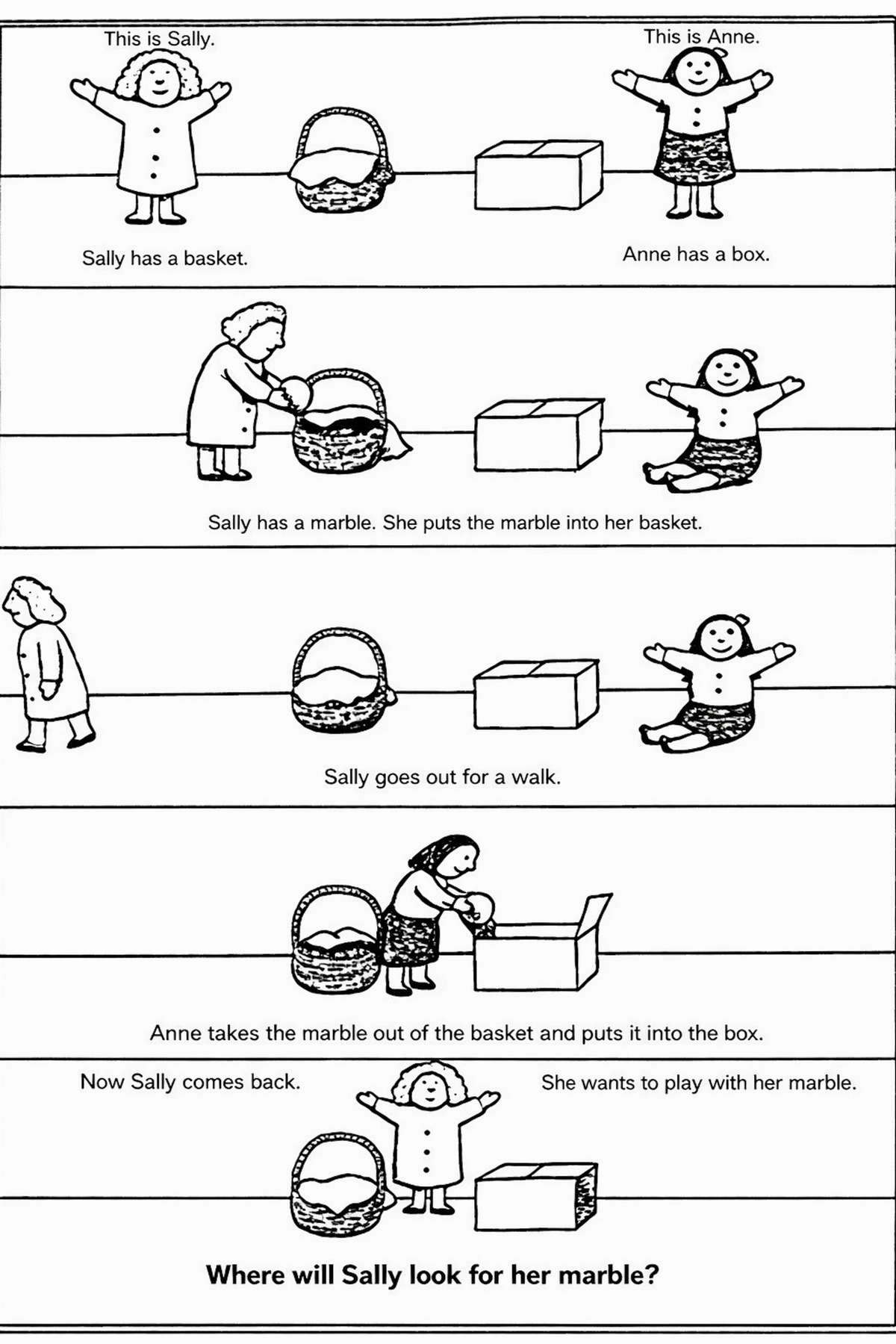
 Theory Of Mind Is Wrong About Autistic People
For four decades, a controversial idea has shaped how autism is understood by researchers, healthcare...
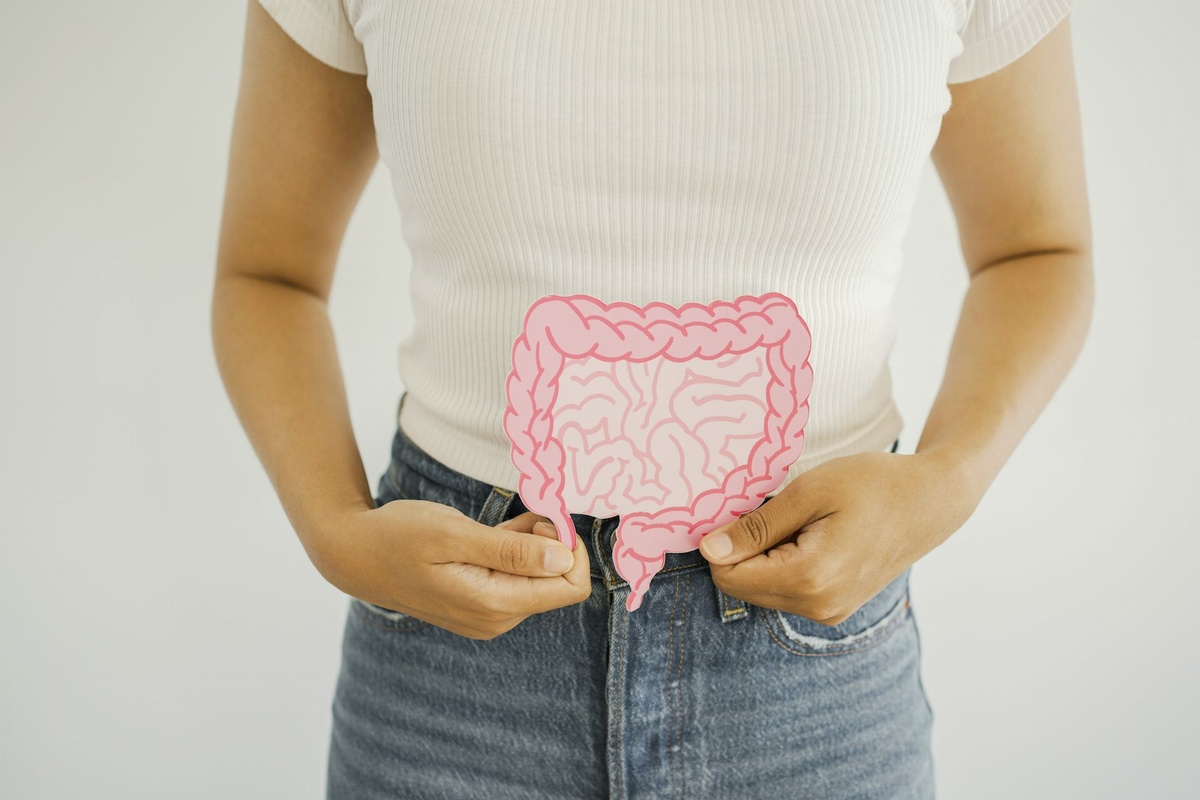 Bacteroides Fragilis May Be A Fifth Columnist Helping Colon Cancer In Your Body
The gut bacterium Bacteroides fragilis has long presented researchers with a paradox. It has been...
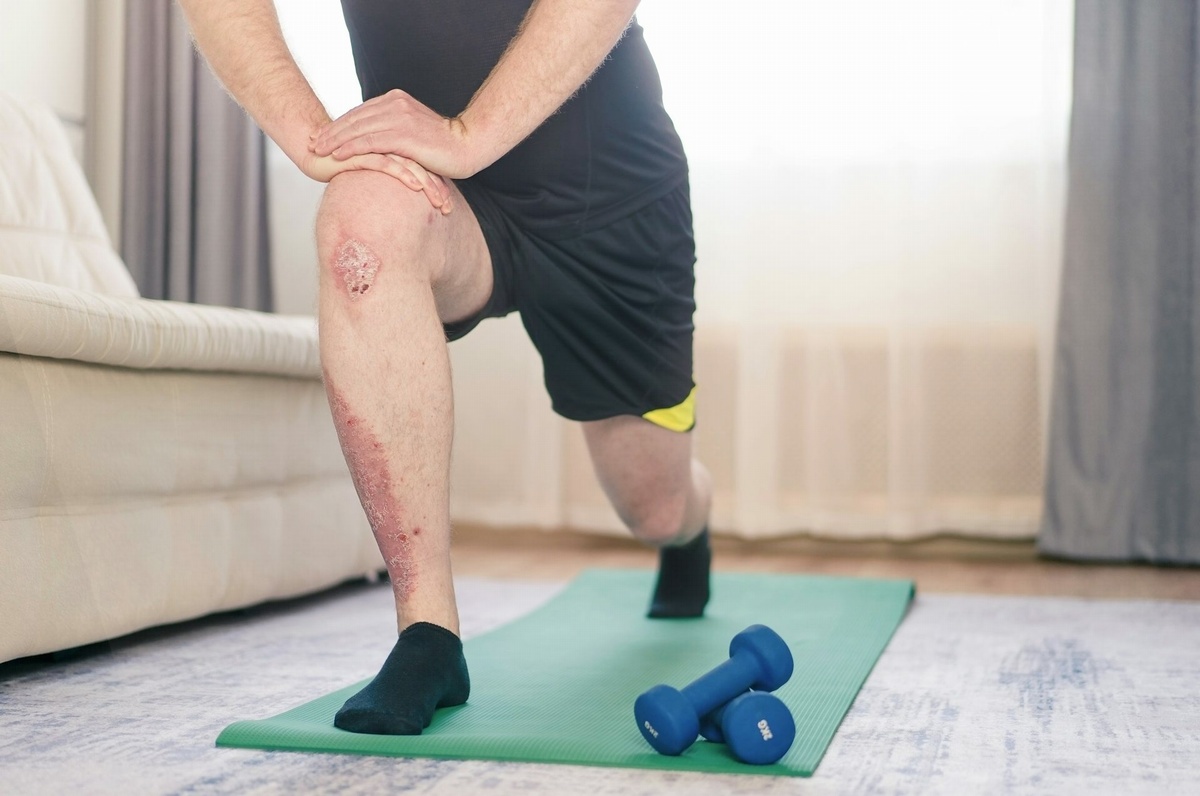 Losing Weight Improves The Heartbreak Of Psoriasis For Some
For many people living with psoriasis, the red, scaly skin patches are only part of the story....
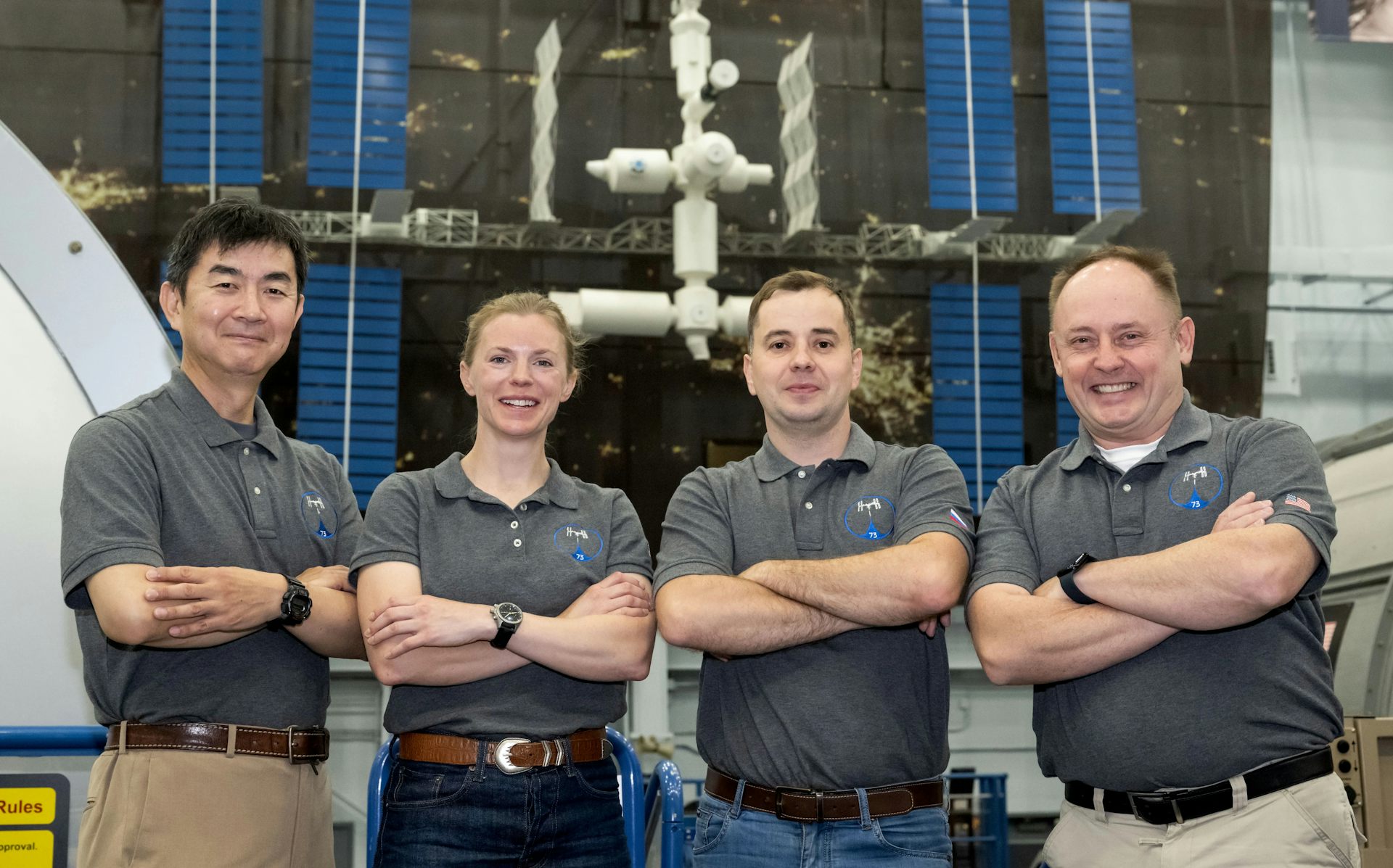 Healthcare In Space - The First Medical Evacuation From The ISS
For the first time in 25 years of continuous crewed operations, an astronaut has been medically...

|
The Conversation The Conversation is an independent source of news and views, funded by the academic and research community and delivered direct to the public. The Conversation launched in Australia in March 2011.... Read More » |
Blogroll |
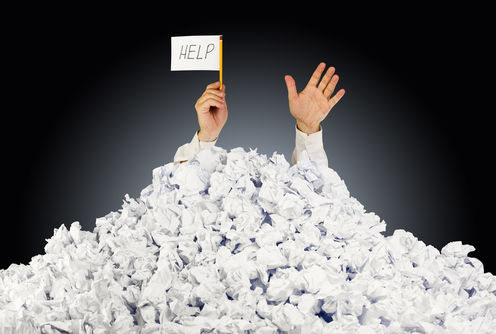
 Imagine you are negotiating with a documentary maker to film your expensive and precious home.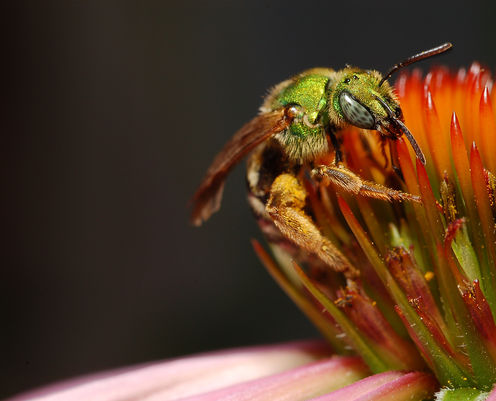
 It’s bee season and now’s the time to go outside and observe these popular insects.
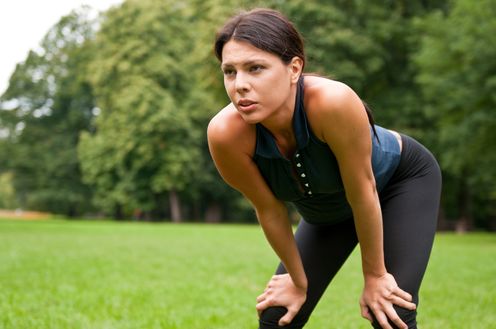
 A growing body of advice suggests doing small amounts of moderate exercise can make a significant difference to your health.
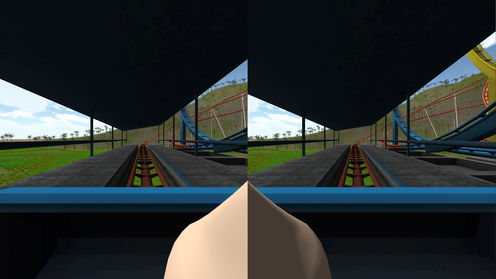
 Virtual reality (VR) equipment has tended to be cumbersome and expensive, all heavy headsets and awkward gloves.
