Fake Banner
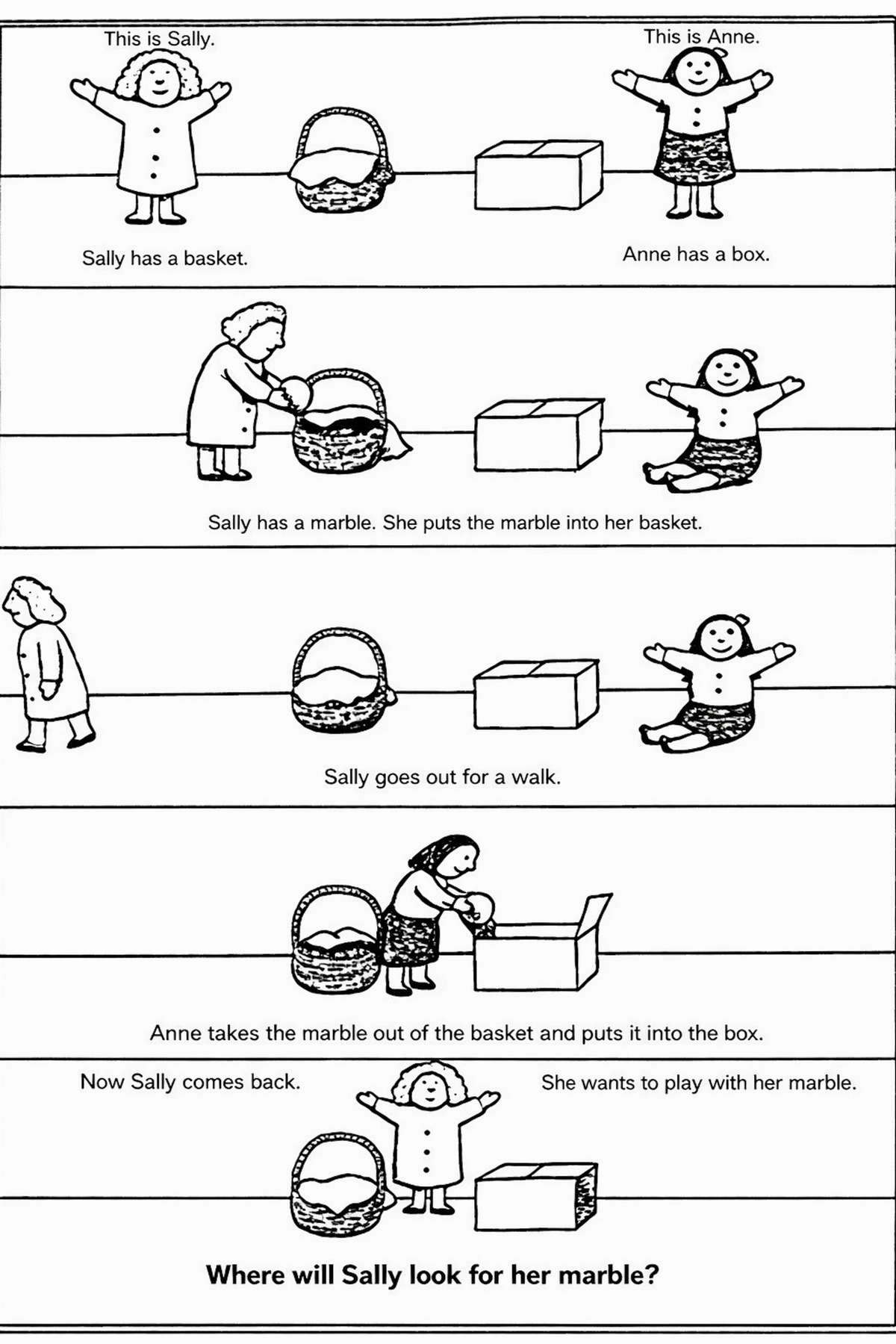
Theory Of Mind Is Wrong About Autistic People

For four decades, a controversial idea has shaped how autism is understood by researchers, healthcare...

Bacteroides Fragilis May Be A Fifth Columnist Helping Colon Cancer In Your Body

The gut bacterium Bacteroides fragilis has long presented researchers with a paradox. It has been...

Losing Weight Improves The Heartbreak Of Psoriasis For Some

For many people living with psoriasis, the red, scaly skin patches are only part of the story....

Healthcare In Space - The First Medical Evacuation From The ISS

For the first time in 25 years of continuous crewed operations, an astronaut has been medically...

User picture.
The ConversationRSS Feed of this column.

The Conversation is an independent source of news and views, funded by the academic and research community and delivered direct to the public. The Conversation launched in Australia in March 2011.... Read More »

Blogroll

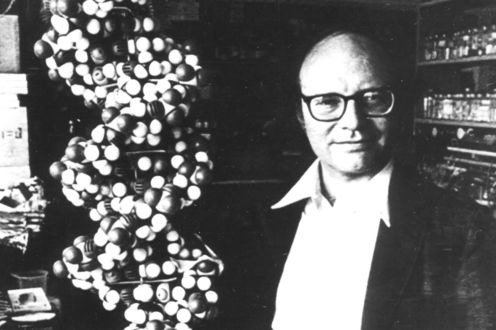
Knowing your DNA will is not a panacea. Credit: PA/Harvard University

By Walter Gilbert, Harvard University

Walter Gilbert won the Nobel Prize in 1980 in Chemistry for his contribution to sequence DNA, or “determination of base sequences in a nucleic acid”. Mohit Kumar Jolly, researcher at Rice University and contributor to The Conversation, interviewed him at the 2014 Lindau Nobel Laureates Meeting.


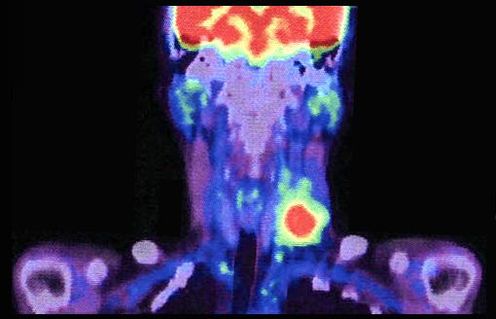
Head and neck cancer underway. Credit: Akira Kouchiyama, CC BY-SA

By Emma King, University of Southampton and Christian Ottensmeier, University of Southampton


A glimpse of wild brumbies in the Snowy Mountains. Credit: Michael Tristram/Flickr, CC BY-NC-ND

By Don Driscoll, Australian National University and Sam Banks, Australian National University


BedZED in Hackbridge, London. Credit: Tom Chance, CC BY-SA

By Melissa C. Lott, University College London

The primary goal of home energy efficiency initiatives might be to reduce total energy consumption, but these projects could have a negative impact on public health if we do not take care.


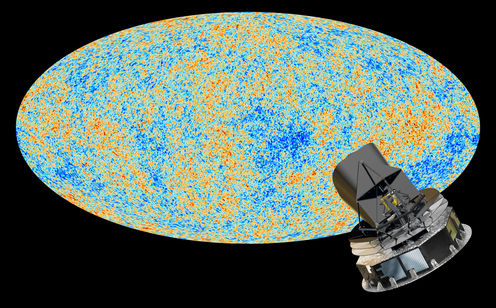
Planck telescope and the Cosmic microwave background. ESA and Planck, CC BY

By Robert Crittenden, University of Portsmouth


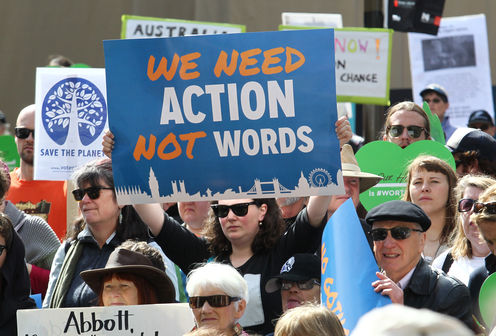
But which words will lead to action? Credit: EPA

By James Painter, University of Oxford

Each of the 125 leaders attending the New York climate summit this week has been given four minutes to speak to the world. They (or their aides) may well have dipped into the climate literature to add scientific ballast to their speeches. But they may not be as familiar with the vast array of academic studies on effective communication about climate change.