Fake Banner
The Peptide Gold Rush: When Biology Meets The Algorithm

In late January 2026, New York Magazine published a striking piece of cultural reporting: wellness...
A 900-Meter Clue Beneath The Granite: China’s Jinlin Crater Reshapes Our Understanding Of Holocene Impacts

For decades, scientists have assumed that the Holocene—the relatively quiet geological epoch...

User picture.
Mark PierceRSS Feed of this column.

Retired geologist and earth scientist, specialising in ore deposits and isotope geochemistry. Before retirement, I led the Australian government's pre-competitive geoscience programs for minerals... Read More »

Blogroll

A quantum computer is a remarkable device. While, at current, it's still limited in its application, we now know that it can be faster than the fastest computers we currently have access to.

Proving the universe seems like a gargantuan task, but we might have a chance to do so with exascale computers.

Mining is a messy process. It takes a lot of effort to break open rocks to get the materials needed to keep our current technological level on earth. The march of technology has produced some massive leaps and bounds in communication and quality of life improvements. However, most of these are predicated on the availability of difficult-to-find elements.

Earth shifted from an anaerobic atmosphere to an aerobic one early in its life. However, for a long time, the question as to how it got there was still unresolved.

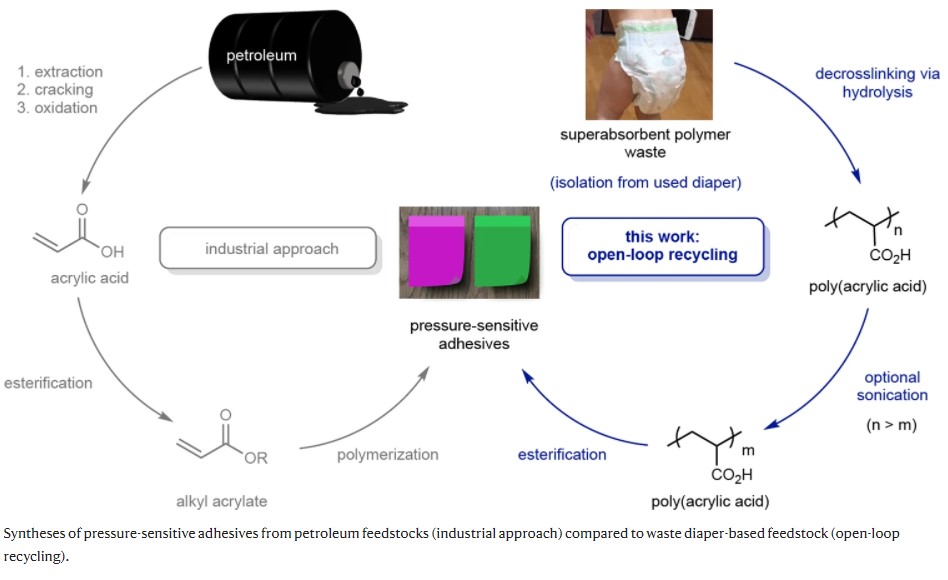
Diapers are not what you'd think about first when you consider recycling. The CBC estimates the number at billions of disposable diapers entering landfills in North America. With this much waste, recycling these absorbent plastics might seem like a good idea. The super-absorbent material inside diapers is made up of long-chain polymers. Unfortunately, they don't get put into recycling bins because the composition of these materials is too complex to break down and recycle traditionally. The problem with diapers is that we haven't found a way to recycle them into something useful. At least, until now.

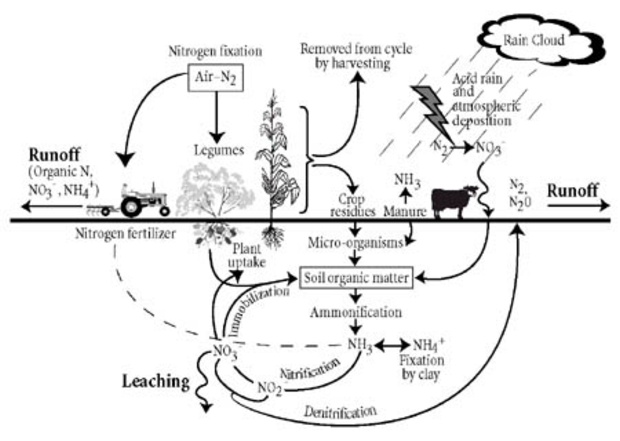
Do we have a nitrogen emergency? Most people aren't aware of the role nitrogen plays in our atmosphere. According to NASA, Nitrogen makes up about 78% of our atmosphere. Despite being so prevalent, we give it relatively little thought. We've spent years worrying about carbon dioxide and its impact on the environment that nitrogen has slipped by relatively unbothered. Yet nitrogen pollution is a significant enough problem to demand attention from the United Nations.