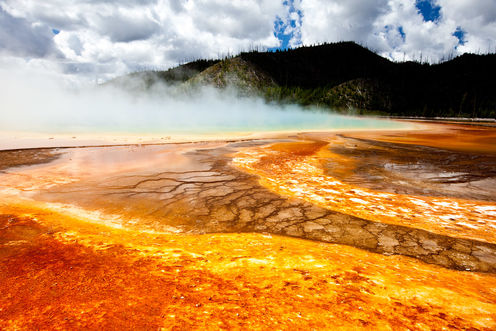
 Seismologists have discovered a massive magma reservoir beneath the




 Much of what we know about cancer and many modern medicines that treat it grow from experiments on cancer cells but it is difficult to maintain the integrity of cell lines due to contamination or simple mistakes such as mislabeling.
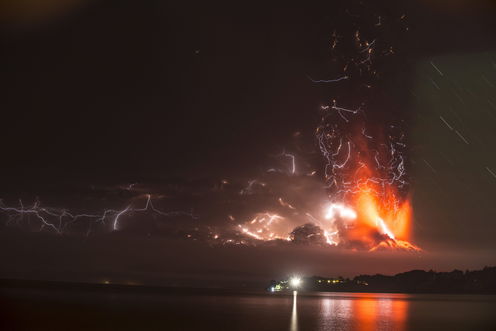
 The
The 


 On today's "Dr. Oz" television show, Dr. Mehmet Oz finally addressed what has worried some and infuriated others about his media career; the show addressed the possibility that

Know Science And Want To Write?
Apply for a column: writing@science20.com
Donate or Buy SWAG
Please donate so science experts can write
for the public.
At Science 2.0, scientists are the journalists,
with no political bias or editorial control. We
can't do it alone so please make a difference.
We are a nonprofit science journalism
group operating under Section 501(c)(3)
of the Internal Revenue Code that's
educated over 300 million people.
You can help with a tax-deductible
donation today and 100 percent of your
gift will go toward our programs,
no salaries or offices.

Interesting insights from outside Science 2.0