
Banner
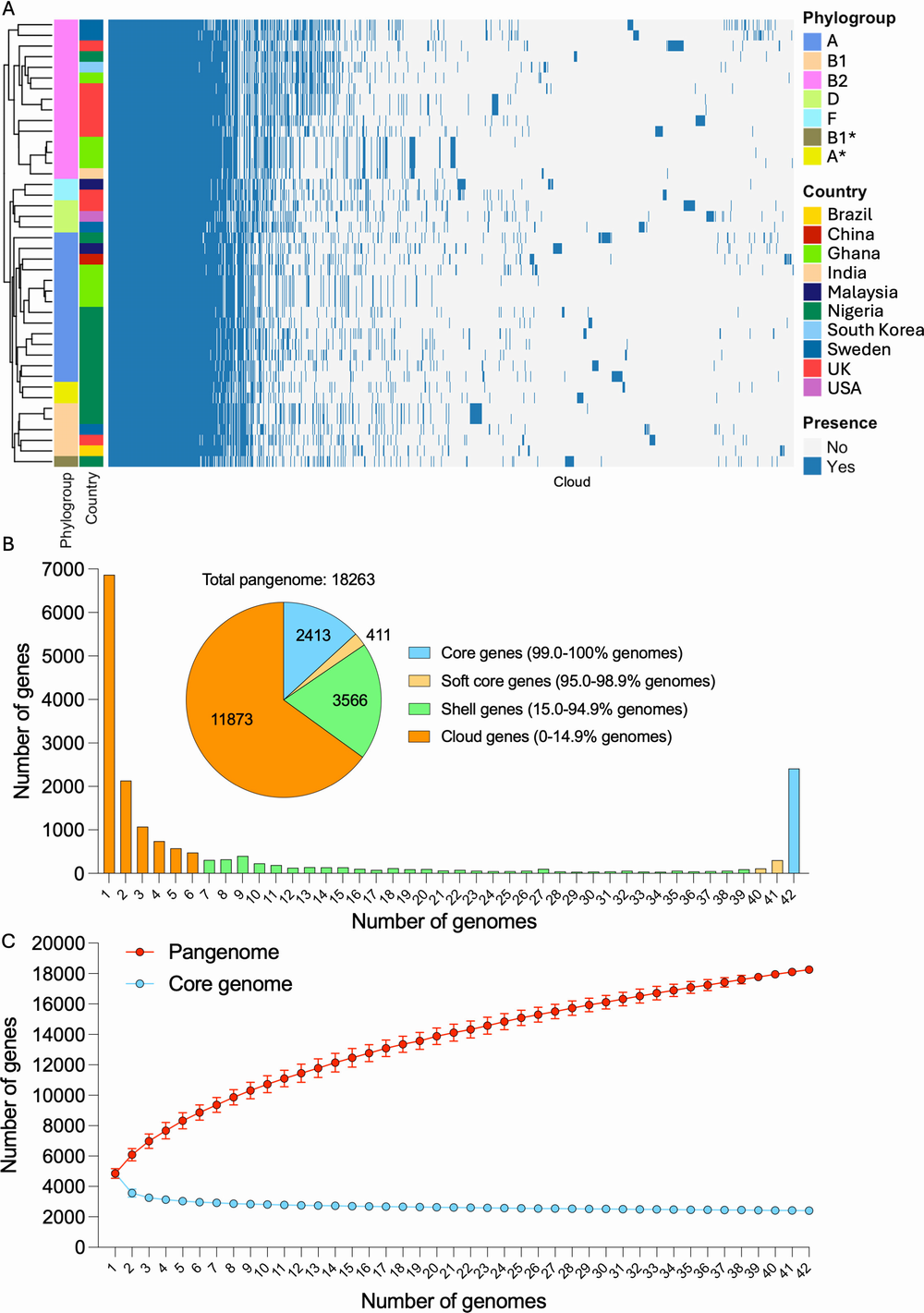
E. Coli Linked To Diabetic Foot Infections Gets Worldwide Analysis

Diabetic foot infections are a serious complications of diabetes and a leading cause of lower-limb...
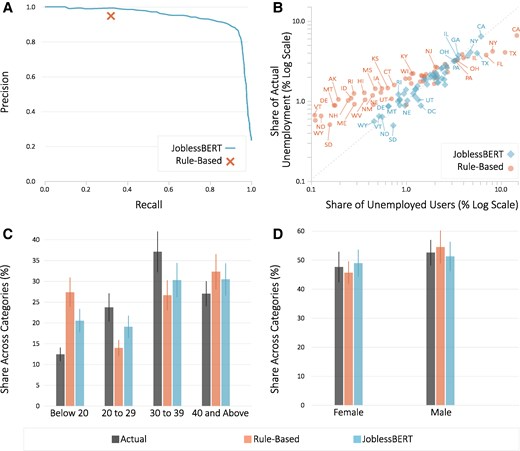
Social Media Is A Faster Source For Unemployment Data Than Government

Government unemployment data today are what Nielsen TV ratings were decades ago - a flawed metric...
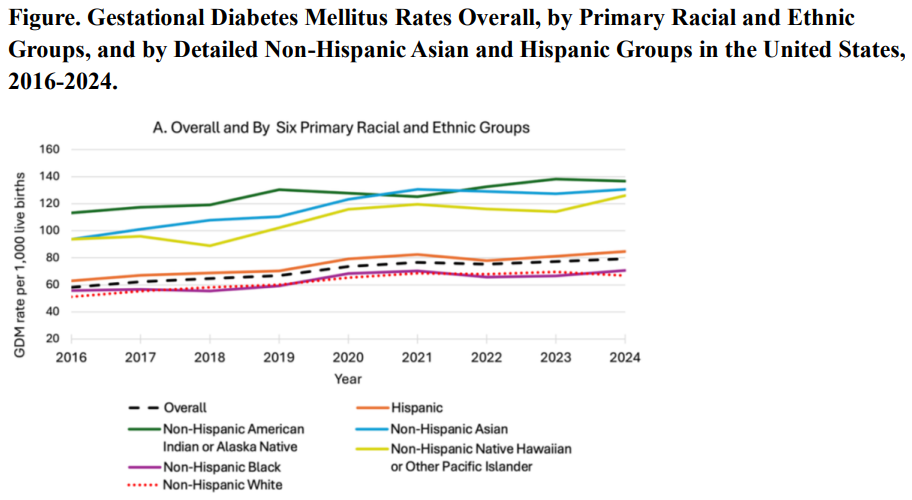
Gestational Diabetes Up 36% In The Last Decade - But Black Women Are Healthiest

Gestational diabetes, a form of glucose intolerance during pregnancy, occurs primarily in women...
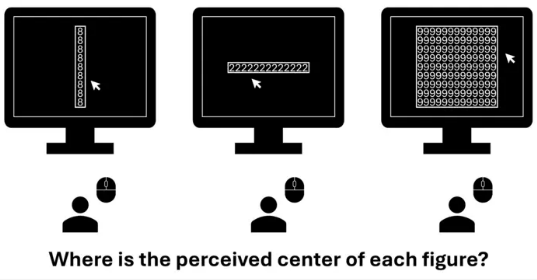
Object-Based Processing: Numbers Confuse How We Perceive Spaces

Researchers recently studied the relationship between numerical information in our vision, and...

User picture.
News StaffRSS Feed of this column.

News Releases From All Over The World, Right To You... Read More »

Blogroll

No one will be farther from home than the astronauts aboard the International Space Station, circling Earth at 17,500 mph and orbiting 16 times each day. NASA is giving the public an opportunity to send personalized holiday greetings to the orbiting crew.

NASA astronaut Peggy Whitson and Flight Engineer Yuri Malenchenko, a Russian cosmonaut, have been on the station since Oct. 12. Flight Engineer Dan Tani, a U.S. astronaut, joined them Oct. 25.

All cells are surrounded by protective, fatty membranes.In the cell membrane there are thousands of membrane proteins that transport nutritional substances, ions, and water through the membrane. Membrane proteins are also necessary for cells to recognize each other in the body and for a nervous system, for example, to be formed.

Researchers at Stockholm University report in Nature that they have now managed to reveal the "molecular code" that governs the insertion of proteins in the cell membrane.

About 25 percent of all proteins in a cell are found in the cell membrane. Since they regulate all communication between the inside of the cell and the surrounding environment, many membrane proteins are crucial to the life of the cell.

Does the consumption of green tea, widely touted to have beneficial effects on health, also protect brain cells? Authors of a new study being published in the December 15th issue of Biological Psychiatry share new data that indicates this may be the case.

The authors investigated the effects of green tea polyphenols, a group of naturally occurring chemical substances found in plants that have antioxidant properties, in an animal model of Parkinson’s disease.

Sugar-based markers on human sperm cells which may prevent them from being attacked by the female immune system could provide a vital clue to how some cancers spread in the human body, according to new research published in the Journal of Biological Chemistry.

Researchers analyzed these markers, believed to tell the female immune system that the sperm are not dangerous pathogens, and therefore should not be attacked by the woman’s white blood cells during the reproductive process. The study, led by Imperial College London and the University of Missouri, suggests that these sugar markers, found on N-glycans which are part of human sperm glycoproteins, can be universally recognised by all human immune systems, regardless of the individual.

More than 10 years after the discovery of the first extrasolar planet, astronomers have now discovered more than 250 of these planets. Until a few years ago, most of the newly discovered exoplanets were Jupiter-mass, probably gaseous, planets. Recently, astronomers have announced the discovery of several planets that are potentially much smaller, with a minimum mass lower than 10 Earth masses: the now so-called super-Earths [1].

In April, a European team announced in Astronomy & Astrophysics the discovery of two new planets orbiting the M star Gliese 581 (a red dwarf), with masses of at least 5 and 8 Earth masses.

Schizophrenia is one of the most debilitating of the major psychiatric disorders, and is also one of the most difficult to treat.

Although numerous antipsychotic treatments are available, they can cause significant side effects and many patients experience only a partial relief of their symptoms and up to 30% no relief at all.

In a new study in Biological Psychiatry, Dr. Stephen Marder of UCLA and colleagues examined the efficacy and safety of a new psychotropic agent for the treatment of schizophrenia in a 6-week, randomized, placebo-controlled trial.




