Banner
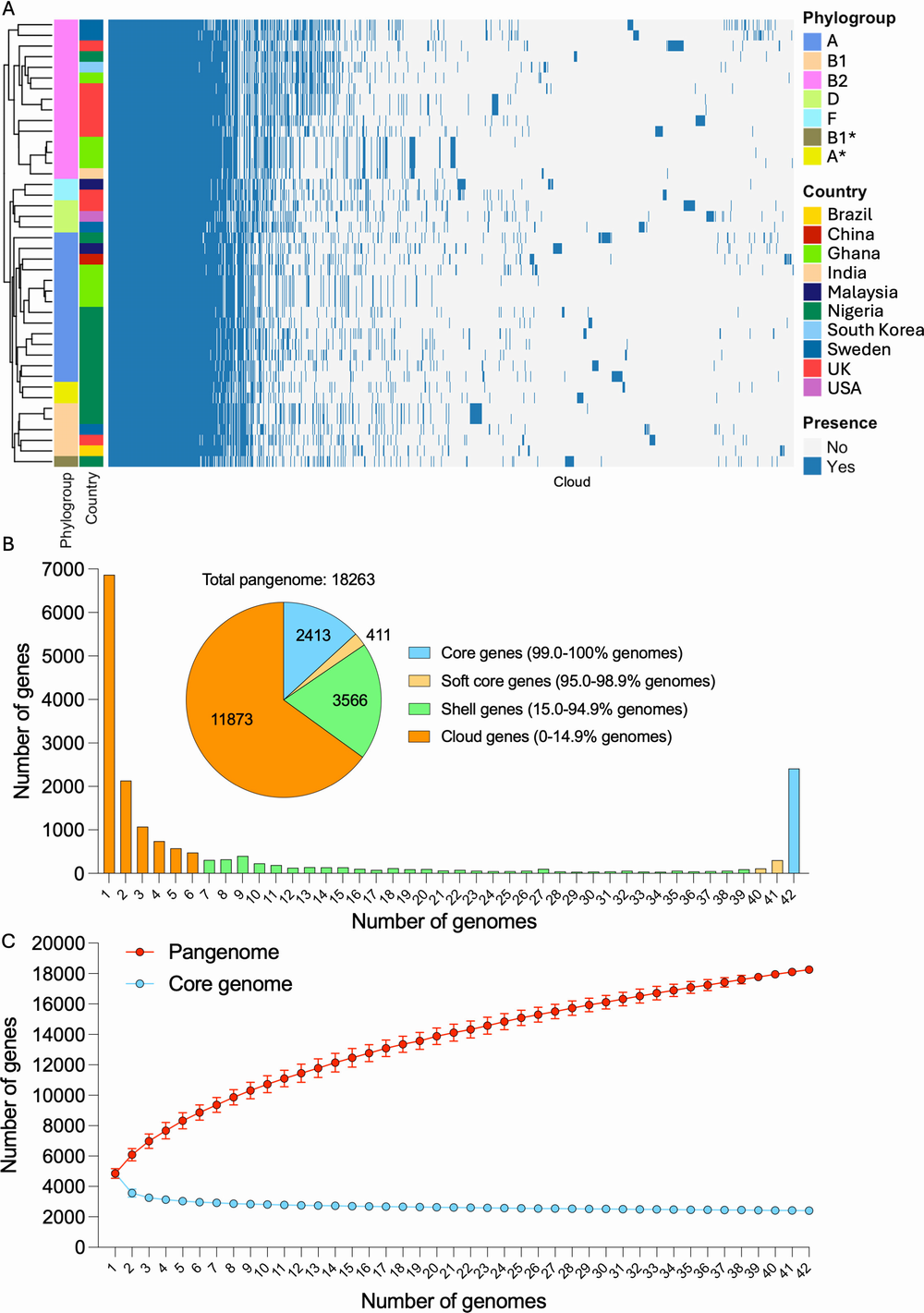
E. Coli Linked To Diabetic Foot Infections Gets Worldwide Analysis

Diabetic foot infections are a serious complications of diabetes and a leading cause of lower-limb...
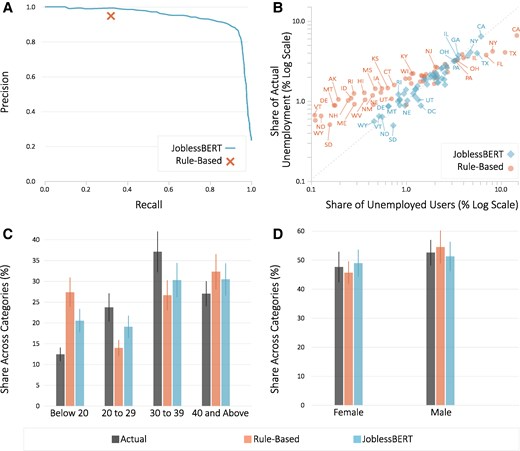
Social Media Is A Faster Source For Unemployment Data Than Government

Government unemployment data today are what Nielsen TV ratings were decades ago - a flawed metric...

Gestational Diabetes Up 36% In The Last Decade - But Black Women Are Healthiest

Gestational diabetes, a form of glucose intolerance during pregnancy, occurs primarily in women...
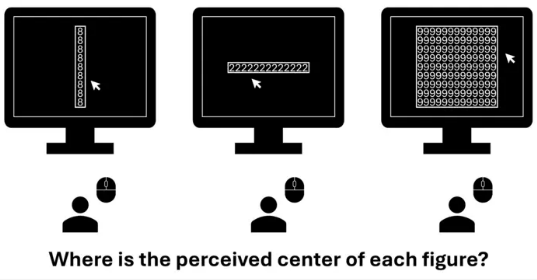
Object-Based Processing: Numbers Confuse How We Perceive Spaces

Researchers recently studied the relationship between numerical information in our vision, and...

User picture.
News StaffRSS Feed of this column.

News Releases From All Over The World, Right To You... Read More »

Blogroll

Researcher at Stanford have isolated the multipotent progenitor, the great-grandparent of all the cells of the blood, and say this is the first offspring of the much-studied blood-forming stem cell that resides in the bone marrow and gives rise to all cells of the blood. It's also the cell that's thought to give rise to acute myelogenous leukemia when mutated.

Isolating this cell, which is well known in mice but had yet to be isolated in human blood, fills in an important gap in the human blood cell family tree.

Irving Weissman, MD, director of Stanford's Institute for Stem Cell Biology and Regenerative Medicine, spent his early career identifying each cell in the mouse blood family tree.

Circadian rhythms are the body’s intrinsic time-tracking system, which anticipates environmental changes and adapts to the appropriate time of day. They regulate a host of body functions, from sleep patterns and hormonal control to metabolism and behavior.

About 10 percent to 15 percent of all human genes are regulated by circadian rhythms. Disruption of these rhythms can profoundly influence human health and has been linked to insomnia, depression, heart disease, cancer and neurodegenerative disorders.

University of California, Irvine researchers say they have identified the chemical switch that triggers the genetic mechanism regulating our internal body clock.

An international team has shown how crude oil in oil deposits around the world are naturally broken down by microbes in the reservoir. Their discovery, published in Nature, could revolutionize heavy oil and oil sands production by leading to more energy-efficient, environmentally friendly ways to produce this valuable resource.

Understanding how crude oil biodegrades into methane, or natural gas, opens the door to being able to recover the clean-burning methane directly from deeply buried, or in situ, oil sands deposits, says Steve Larter, University of Calgary petroleum geologist.

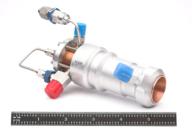
XCOR Aerospace, Inc. announced today that it has successfully completed its first series of tests on a new 56-pound thrust rocket engine. The engine, designated XR-3E17, is a direct
descendent of the company's XR-2P1 "Tea Cart" engine developed in 2000.

Although it weighs just half as much as its predecessor, the new engine has nearly four times the thrust of the 15lb thrust original. The regeneratively cooled engine, developed using private investor funding, is made of copper with a lightweight aluminum cooling jacket.


The XCOR XR-3E17 56lb-thrust rocket engine is shown here with a 6-inch rule for scale.
It weighs half as much and produces four times as much thrust as its predecessor.

Cellular processes, such as when to multiply, are often regulated by switches that control the frequency and timing of interactions between proteins. North Carolina State University scientists have discovered the way in which a specific protein-protein interaction prevents the cell from turning one of its switches off, leading to uncontrolled cell proliferation – one of the hallmarks of cancer.

In a paper published in Structure, the researchers show for the first time that the interaction between a rogue version of a specific protein called Ras and its binding partner protein Raf can block the switch from being turned off.

Scientists discover that warm-water species that once thrived in Danish waters are returning

Scientists studying ancient fish bones in Scandinavia have discovered that warm-water species like anchovies and black sea bream that once thrived in Danish waters during a prehistoric warm period are now returning.