
Banner
Social Media Is A Faster Source For Unemployment Data Than Government

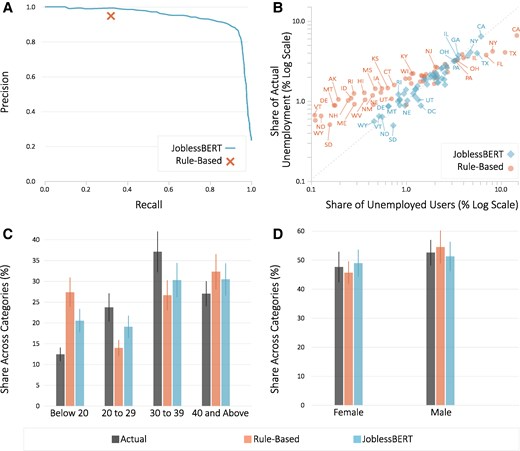
Government unemployment data today are what Nielsen TV ratings were decades ago - a flawed metric...
Gestational Diabetes Up 36% In The Last Decade - But Black Women Are Healthiest

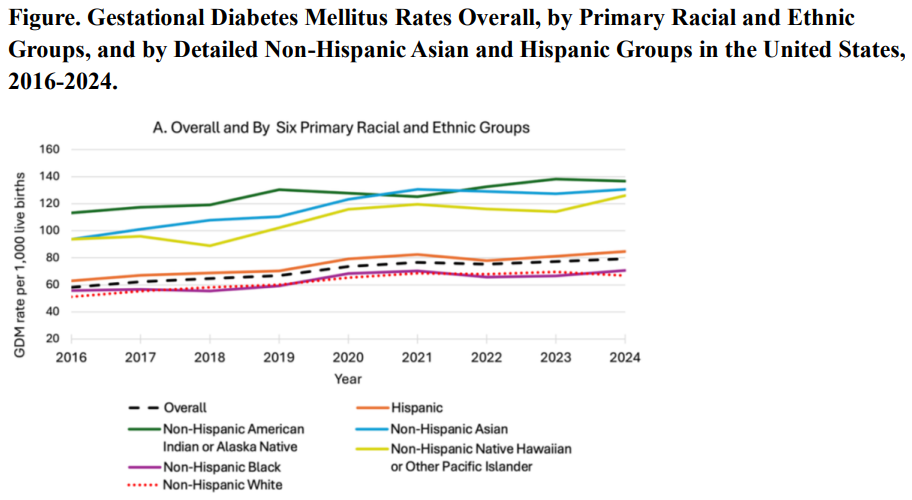
Gestational diabetes, a form of glucose intolerance during pregnancy, occurs primarily in women...

Object-Based Processing: Numbers Confuse How We Perceive Spaces

Researchers recently studied the relationship between numerical information in our vision, and...

Males Are Genetically Wired To Beg Females For Food

Bees have the reputation of being incredibly organized and spending their days making sure our...

User picture.
News StaffRSS Feed of this column.

News Releases From All Over The World, Right To You... Read More »

Blogroll

Research released today reveals the first ever index to pinpoint Britain's biggest energy-saving influencers. With 169 people in their social networks Britons are already acting as advisers to 10 people on energy-related issues. The report shows that just if just 0.59% of the population, i.e. one person in 200 (equivalent to the population of Manchester), tells every single person in their network what they have done to save energy, the entire UK population could be reached.

The influencer index splits the public into four types - it shows that women are leading the way, as they make up over half (53%) of the most influential group ('Community Changers').

Help with assigning gender could one day be at hand for intersex individuals whose genital phenotypes and sex chromosomes don't match, thanks to the discovery of a stable sex hormone signature in our cells.

Researchers have shown for the first time that testosterone leaves an irreversible molecular signature in cells that may provide a far more sophisticated way to look at sex than just ascertaining the presence of the Y chromosome. A team of researchers from the US and Germany were able to pinpoint the role of testosterone by comparing individuals with complete androgen insensitivity syndrome (CAIS) to people without CAIS. The findings provide a platform for future work that may lead to improved counselling for those whose gender is ambiguous.

Your height in adult life significantly affects your quality of life, with short people reporting worse physical and mental health than people of normal height. The study shows that adult height is linked to how good a person thinks their health is. Short people judge their state of health to be significantly lower than their normal height peers do.

The data for this study came from the 2003 Health Survey for England, carried out by the UK Department of Health(1). In this survey, participants filled out a health-related quality of life (HRQoL) questionnaire and a nurse measured their height. Researchers, led by Senior Health Economist Torsten Christensen at Novo Nordisk A/S in Denmark, used this data to assess the relationship between height and HRQoL.

While showing impressive growth prenatally, the human brain is not completed at birth. There is considerable brain growth during childhood with dynamic changes taking place in the human brain throughout life, probably for adaptation to our environments.

Evidence is accumulating that brain structure is under considerable genetic influence [Peper et al., 2007]. Puberty, the transitional phase from childhood into adulthood, involves changes in brain morphology that may be essential to optimal adult functioning. Around the onset of puberty gray matter volume starts to decrease, while white matter volume is still increasing [Giedd et al., 1999].

The presence in the environment of large quantities of toxic metals such as mercury, lead, cadmium, zinc or others, poses serious health risks to humans, and this threat puts the scientific community under pressure to develop new methods to detect and eliminate toxic contaminants from wastewaters in efficient and economically viable ways.

Resulting from the combination of water treatment investigations with the latest in material science, a new type of nanomaterial called nanostructured silica has been found to fulfill the requisites necessary for these applications.

Aspirin is a common recommendation for heart attack prevention, but new research suggests that this may really only be a man's drug.

Scientists have long puzzled over why the protective effects of aspirin vary so widely between clinical trials. Some trials show no difference between aspirin and placebo, whilst others report that aspirin reduces the risk of a heart attack by more than 50%.

This latest study, from The James Hogg iCAPTURE Centre for Cardiovascular and Pulmonary Research, highlights the influence of gender on aspirin's protective powers. Investigators examined the results of 23 previously published clinical trials for the effect for aspirin in heart attack prevention, involving more than 113,000 patients.





