
Banner
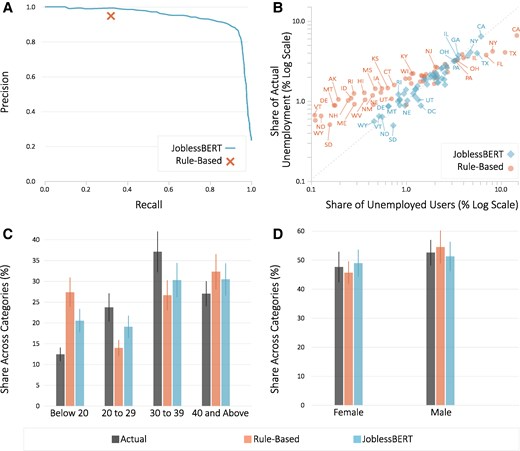
Social Media Is A Faster Source For Unemployment Data Than Government

Government unemployment data today are what Nielsen TV ratings were decades ago - a flawed metric...

Gestational Diabetes Up 36% In The Last Decade - But Black Women Are Healthiest

Gestational diabetes, a form of glucose intolerance during pregnancy, occurs primarily in women...

Object-Based Processing: Numbers Confuse How We Perceive Spaces

Researchers recently studied the relationship between numerical information in our vision, and...
Males Are Genetically Wired To Beg Females For Food

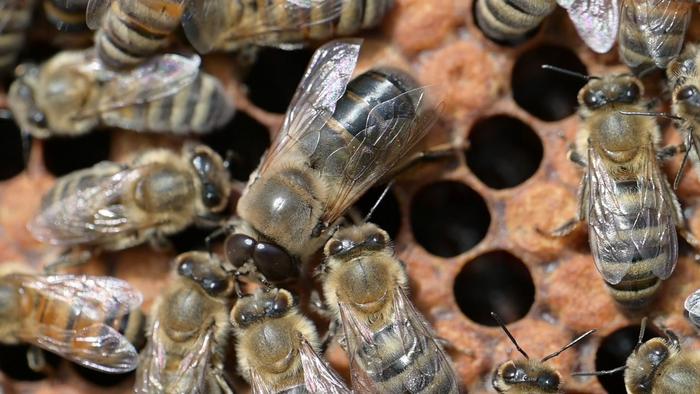
Bees have the reputation of being incredibly organized and spending their days making sure our...

User picture.
News StaffRSS Feed of this column.

News Releases From All Over The World, Right To You... Read More »

Blogroll

A new study published in the October 15 issue of the American Journal of Epidemiology is the first of its kind to evaluate the effect of flavonols on developing pancreatic cancer.

The study determined that eating flavonol-rich foods may help reduce the risk of pancreatic cancer. Quercetin, which is found naturally in apples and onions, has been identified as one of the most beneficial flavonols in preventing and reducing the risk of pancreatic cancer. Although the overall risk was reduced among the study participants, smokers who consumed foods rich in flavonols had a significantly greater risk reduction.

Though found in many plants, flavonols have high concentrations in apples, onions, tea, berries, kale, and broccoli. Quercetin is most plentiful in apples and onions.

An international team has opened a virtual bazaar, called PAZAR, which allows biologists to share information about gene regulation through individually managed 'boutiques' (data collections). According to research published in the online open access journal, Genome Biology, customers can access data without any charge from any boutique or extract information from the 'superstores' that aggregate data of similar types.

In deciphering the human genome sequence, researchers hope to understand the when and where of gene expression because this could speed development of novel cancer therapies or stem cell treatments for degenerative disease, and explain complex diseases such as diabetes.

Adolescents have grown taller and put on weight over the last thirty years, but the problem of underweight teens may be worse, a study in the online open access journal BMC Public Health suggests.

An analysis of the height, weight, and body-mass index of teenagers during 1966-1969 and 1995-1997 in Norway demonstrates a shift towards taller and heavier teenagers, but also hints that there are more underweight adolescents.

Health researchers commonly use body mass index (BMI), calculated as weight in kilograms divided by the height in meters squared, in weight-related health studies. Sigrid Bjørnelv of the Norwegian University of Science and Technology and colleagues write that changes in these measurements across society over periods of time often reflect changes in nutrition.

Bronchopulmonary Dysplasia (BPD) occurs in 20-40% of infants born below 2.5 lbs. and before 28 weeks of gestation, and means babies still need supplemental oxygen at 36 weeks postmenstrual age. It is the second leading cause of death among infants born within this gestational age and is characterised by inflammation and scarring in the lungs.

Diagnosing a risk of fatal lung disorders may be possible by analysing the umbilical cords of premature babies, according to research published in the online open access journal Genome Biology.

We are all familiar with raindrops on our wind screens. The small ones stay in place while the big ones roll down the window. This is because surface tension holds the small drops onto the screen until they get to a size where the force of gravity is greater than the surface tension.

We are all familiar with raindrops on our wind screens. The small ones stay in place while the big ones roll down the window.

“Survival of the fittest” has popularly described evolution for more than a century, but a new study published in the Royal Society journal Biology Letters provides further evidence that random genetic mutations over millions of years may also play a powerful role.

Florida and California scientists are the first to link the evolution of proteins — the organic compounds that determine the structure and function of living things — to a species’ metabolic rate.



