Banner
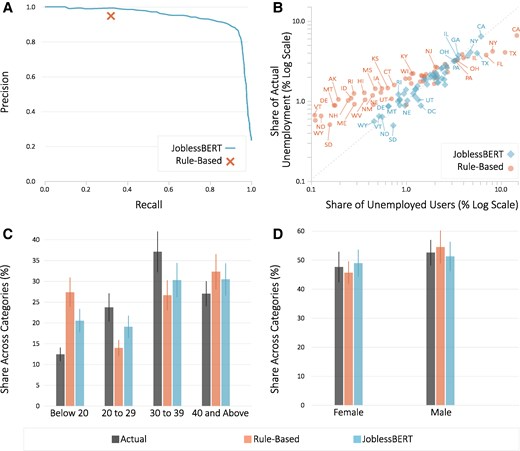
Social Media Is A Faster Source For Unemployment Data Than Government

Government unemployment data today are what Nielsen TV ratings were decades ago - a flawed metric...

Gestational Diabetes Up 36% In The Last Decade - But Black Women Are Healthiest

Gestational diabetes, a form of glucose intolerance during pregnancy, occurs primarily in women...
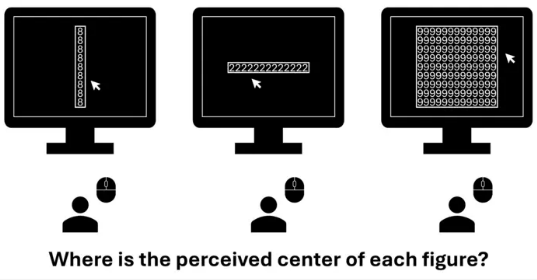
Object-Based Processing: Numbers Confuse How We Perceive Spaces

Researchers recently studied the relationship between numerical information in our vision, and...
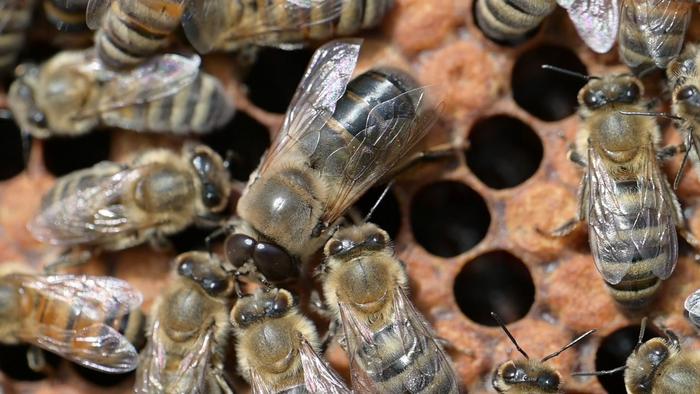
Males Are Genetically Wired To Beg Females For Food

Bees have the reputation of being incredibly organized and spending their days making sure our...

User picture.
News StaffRSS Feed of this column.

News Releases From All Over The World, Right To You... Read More »

Blogroll

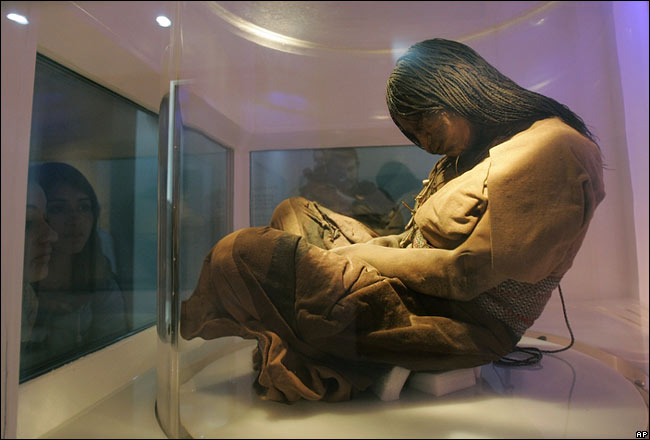
Hair samples from naturally preserved child mummies discovered at the world's highest archaeological site in the Andes have provided a startling insight into the lives of the children chosen for sacrifice. Researchers funded by the Wellcome Trust used DNA and stable isotope analysis to show how children as young as six years old were 'fattened up' and taken on a pilgrimage to their death.

A team of scientists led by Dr Andrew Wilson at the University of Bradford analysed hair samples taken from the heads and from small accompanying bags of four mummies found in the Andes.

Early findings by Carnegie Mellon University researchers suggest that people who are suckered by a spoof email into visiting a counterfeit Web site are also people who are ready to learn their lesson about “phishing” attacks.

Phishing attacks have become a common method for stealing personal identification information, such as bank account numbers and passwords. Lorrie Cranor, associate research professor of computer science, said phishing often is successful because many people ignore educational materials that otherwise might help them recognize such frauds.

Current recommendations developed by the Institute of Medicine in 1990 suggest women should gain at least 15 pounds during pregnancy and places no upper limit on pregnancy weight gain.

Not a good idea, says Raul Artal, M.D., chairman of the department of obstetrics, gynecology and women’s health at Saint Louis University School of Medicine.

“Guidelines for nutrition during pregnancy at that time were based solely on expert opinion and not on scientific data. Obesity was not the problem it is now,” Dr. Artal says.

A new study led by Artal,published in the October issue of Obstetrics & Gynecology, found that women of different weights should gain or even lose different amounts of weight.

Comets are made of the most primitive stuff in the solar system. As hunks of rock and ice that never coalesced into more planets, they give researchers clues to the evolution of solar systems.

In February, during its mission to study the sun's polar regions, the spacecraft Ulysses flew through McNaught's ion tail 160 million miles from the comet's core.

Instrument readings showed there was "complex chemistry" at play, said University of Michigan space science professor George Gloeckler. Gloeckler is the principal investigator on the Solar Wind Ion Composition Spectrometer (SWICS) aboard Ulysses, which measured the composition and speed of the comet tail and solar wind.

According to an analysis by Dr. Kathryn Wilson, associate professor of economics at Kent State University and colleagues, the United States has the highest level of income inequality among all rich nations. For example, low-income households, or those at the 10th percentile of the income distribution, spend approximately $8,900 per year per child, while high-income families, or those at the 90th percentile, spend $50,000 per child.

“People like to think of America as the land of opportunities,” says Wilson. “The irony is that our country actually has less social mobility and more inequality than most developed countries.”

The present can tell you a lot about the past, but you need to know where to look. A new study appearing this month in Genome Research reveals that protein architectures – the three-dimensional structures of specific regions within proteins – provide an extraordinary window on the history of life.

In the study, researchers at the University of Illinois describe contemporary protein architectures as “molecular fossils” or “historical imprints” that mark important milestones in evolutionary history. The research team compiled a global census of protein architectures, and used these relics to plot the emergence, diversification and refinement of each of the three superkingdoms of life: Archaea, Bacteria and Eukarya.