Banner
Social Media Is A Faster Source For Unemployment Data Than Government

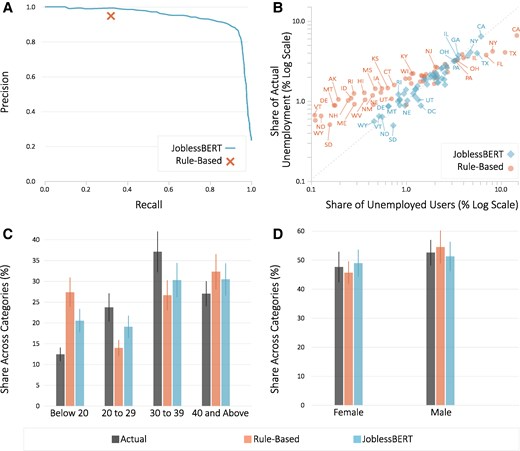
Government unemployment data today are what Nielsen TV ratings were decades ago - a flawed metric...

Gestational Diabetes Up 36% In The Last Decade - But Black Women Are Healthiest

Gestational diabetes, a form of glucose intolerance during pregnancy, occurs primarily in women...

Object-Based Processing: Numbers Confuse How We Perceive Spaces

Researchers recently studied the relationship between numerical information in our vision, and...

Males Are Genetically Wired To Beg Females For Food

Bees have the reputation of being incredibly organized and spending their days making sure our...

User picture.
News StaffRSS Feed of this column.

News Releases From All Over The World, Right To You... Read More »

Blogroll

Wind turbines are one of the most environmentally sound technologies for producing electricity. However, the removal and recycling phase of wind turbines has been identified as a blind spot in assessing their overall environmental impact.

Most studies have ignored this phase and focused entirely on their operation and in some cases the production and installation of wind turbines.

Danish researchers now suggest that in order to assess the overall environmental impact of wind power, however, the finite lifespan of wind turbines and the need to replace and recycle them must be taken into account.

The growth and conversion of biofuel crops could raise rather than lower greenhouse gas emissions, says a new study led by Nobel prize-winning chemist Paul Crutzen, best known for his work on the ozone layer.

He and his colleagues have calculated that growing some of the most commonly used biofuel crops releases around twice the amount of the potent greenhouse gas nitrous oxide (N2O, also known as ‘laughing gas’) than previously thought – wiping out any benefits from not using fossil fuels and, worse, probably contributing to global warming.

The University of Navarra has installed a thermal gradient greenhouse in order to study the impact of climate change on plants. This is a pioneering methodology for studying the simultaneous effect of increased CO2 and ambient temperature. The research project, which will be undertaken by researchers from the area of Plant Biology of the University, could become a reference for later scientific studies in this area.

These studies, financed by the Spanish Ministry of Education and Science, the University Foundation of Navarra and the Foundation Caja Navarra, have already obtained their first results. “We have discovered that plants respond to enrichment of atmospheric CO2 with increased growth.

Pedophilia, the sexual attraction of adults to children, is a significant public health concern and it does not respond well to treatment. Additionally, the brain mechanisms underlying pedophilia are not well understood.

A new study in Biological Psychiatry is the first of its kind to use functional brain imaging to describe neural circuits contributing to pedophilia.

Using functional magnetic resonance imaging, or fMRI, Martin Walter and colleagues report that pedophilic patients showed reduced activation of the hypothalamus, a brain region involved in regulating physiologic arousal and hormone release, as compared to healthy individuals when they were viewing sexually arousing pictures of adults.

A German-American research team of biologists and geochemists has discovered hitherto unknown anaerobic bacteria in marine sediments which need only propane or butane for growth.

The hydrocarbons ethane, propane and butane – as well as the main component, methane – are the major constituents of natural gas. Biological processes may lead to the degradation of these hydrocarbons in underground petroleum reservoirs and other geological habitats.

Heinz Wilkes, a leading biogeochemist at GeoForschungsZentrum Potsdam (GFZ), points out: „The bacteria isolated here for the first time from marine sediments use sulphate instead of oxygen for respiration and utilize propane and butane as their sole source of carbon and energy.

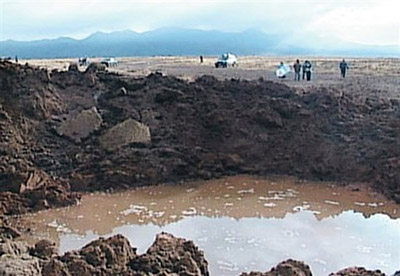
Every now and then a space rock hits the world's media – sometimes almost literally. Threatening asteroids that zoom past the Earth, fireballs in the sky seen by hundreds of people and mysterious craters which may have been caused by impacting meteorites; all make ESA's planned mission Don Quijote look increasingly timely.

The uncertainty surrounding whether a meteorite impacted in South America recently highlights the need to know more about these pieces of natural space debris and their trajectories. ESA has always been interested in such endeavours and conducted a number of studies into how it might best help.