
Banner
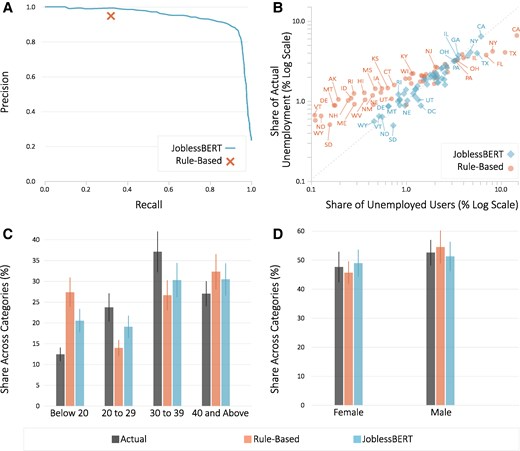
Social Media Is A Faster Source For Unemployment Data Than Government

Government unemployment data today are what Nielsen TV ratings were decades ago - a flawed metric...
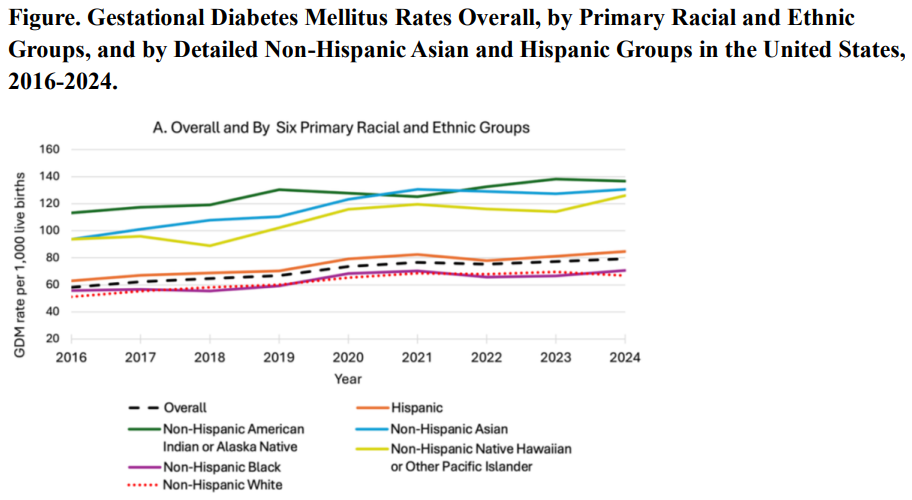
Gestational Diabetes Up 36% In The Last Decade - But Black Women Are Healthiest

Gestational diabetes, a form of glucose intolerance during pregnancy, occurs primarily in women...

Object-Based Processing: Numbers Confuse How We Perceive Spaces

Researchers recently studied the relationship between numerical information in our vision, and...

Males Are Genetically Wired To Beg Females For Food

Bees have the reputation of being incredibly organized and spending their days making sure our...

User picture.
News StaffRSS Feed of this column.

News Releases From All Over The World, Right To You... Read More »

Blogroll

Cancer-causing genes can work in more powerful and sneaky ways than have been realized. Scientists have shown that a gene named JAK that is closely related to a common cancer-causing gene in people tips the scales toward cancer in an unexpected manner. JAK disrupts the activity of an organism’s DNA on a broad scale, thwarting a critical molecular event very early on in an embryo’s development.

A team from the University of Rochester Medical Center made the finding through research involving fruit flies, which share much of the same complex cellular signaling as humans.

Peat and vegetation in northern areas may help protect permafrost from the effects of climate change, according to a recent study by McMaster researchers published in Geophysical Research Letters.

Found in arctic regions, permafrost is frozen soil that remains at or below 0 C for at least two consecutive years. Permafrost covers more than 30 per cent of the Earth's surface and about 42 per cent (four million sq. km) of Canada's land area.

"There is no doubt that northern regions are warming and permafrost is melting as shown by numerous observations and modeling studies," said Dr. Altaf Arain, co-author of the study and associate professor in the School of Geography & Earth Sciences.

Androstenone is a derivative of testosterone that is a potent ingredient in male body odor. To some it smells like stale urine, others find it sweet and pleasant. Some can't smell it at all.

Androstenone is used by some mammals to convey social and sexual information so if you know a girl who doesn't like the way you smell, it may be genetic variations in a single odorant receptor called OR7D4 - don't take it personally, it's in her genes.

If you've ever watched birds at a feeder, you've seen changes in how many birds feed from season to seasons and year to year. Do some of the long-term shifts reflect changes in the environment and climate? To find out, the Cornell Lab of Ornithology's Project FeederWatch is asking bird watchers for help.

FeederWatchers count the birds at their feeders each week and send the information to the lab. They've helped document unusual bird sightings, winter movements and shifting ranges of some bird species over the past 20 years.

A groundbreaking environmental study to be published in a prestigious American science journal proves that mercury atmospheric emissions will end up in fish in as little as three years. Biologists from the University of Alberta in Edmonton, Canada, played a key role in designing and carrying out the experiment.

The study concludes that if mercury emissions from coal-fired power plants and other industrial activities were to be cut immediately, the amount showing up in fish would begin to go down within a decade.

This breakthrough study (called METAALICUS – Mercury Experiment to Assess Atmospheric Loading in Canada and the United States) involved government agencies and universities on both sides of the border. It has global implications.

French surgeons successfully removed a woman’s gall bladder through her vagina, according to a report in the September issue of Archives of Surgery.

The history of surgery has moved toward less invasive procedures, according to background information in the article. “Whenever it was possible, patients would ask for a surgical procedure that left no outer scarring and resulted in no postoperative pain,” the authors write. “Patients, both male and female, independent of age and body shape, dislike scars, not only for cosmetic reasons but because scars indicate they have undergone treatment because of illness.





