Banner
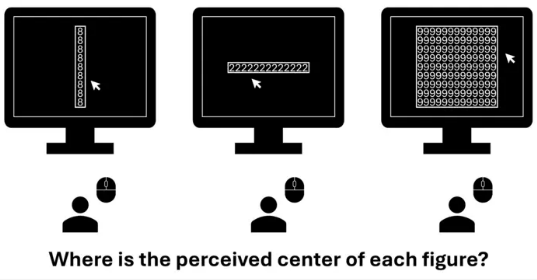
Object-Based Processing: Numbers Confuse How We Perceive Spaces

Researchers recently studied the relationship between numerical information in our vision, and...
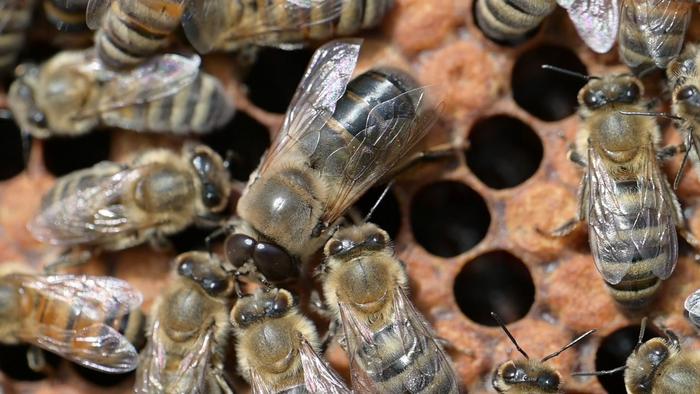
Males Are Genetically Wired To Beg Females For Food

Bees have the reputation of being incredibly organized and spending their days making sure our...

The Scorched Cherry Twig And Other Christmas Miracles Get A Science Look

Bleeding hosts and stigmatizations are the best-known medieval miracles but less known ones, like ...
$0.50 Pantoprazole For Stomach Bleeding In ICU Patients Could Save Families Thousands Of Dollars

The inexpensive medication pantoprazole prevents potentially serious stomach bleeding in critically...

User picture.
News StaffRSS Feed of this column.

News Releases From All Over The World, Right To You... Read More »

Blogroll

The medical diagnosis of brain death is at odds with our traditional view of when death actually occurs, says Professor Allan Kellehear from the Centre for Death & Society at the University of Bath, speaking at an international conference on Death, dying & disposal.

A diagnosis of brain death uses factors like fixed and dilated pupils, lack of eye movement and absence of respiratory reflexes but the social understanding of death is that it occurs when the heart stops beating.

This makes decisions that often follow brain death, such as organ removal and the cessation of life support, potentially unsettling for the bereaved.

A way to convert natural gas into raw materials for the chemical industry and generate power as a by-product could lead to more environmental benign manufacturing processes.

Making synthesis gas - a blend of hydrogen and carbon monoxide - is a key step in turning natural gas or biomass into bulk chemicals, such as acetic acid, methanol, oxygenated alcohols, isocyanates, and ammonia, which are the feedstock of the global chemical industry. Synthesis gas can also be converted into synthetic diesel fuel. In the conventional process of synthesis gas production, a catalyst and heat are required, which itself requires energy.

These NASA Hubble Space Telescope images reveal how the glowing gas ejected by dying Sun-like stars evolves dramatically over time.

These gaseous clouds, called planetary nebulae, are created when stars in the last stages of life cast off their outer layers of material into space. Ultraviolet light from the remnant star makes the material glow. Planetary nebulae last for only 10,000 years, a fleeting episode in the 10-billion-year lifespan of Sun-like stars.

The name planetary nebula has nothing to do with planets.

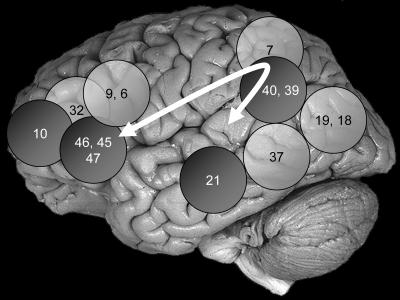
A primary mystery puzzling neuroscientists -- where in the brain lies intelligence" -- just may have a unified answer.

In a review of 37 imaging studies related to intelligence, including their own, Richard Haier of the University of California, Irvine and Rex Jung of the University of New Mexico have uncovered evidence of a distinct neurobiology of human intelligence.

HIV infection is on the rise among young men who have sex with men (MSM) in New York City, according to preliminary data from the Health Department. New HIV diagnoses among MSM under age 30 have increased by 33% during the past six years, the agency reported today, from 374 in 2001 to almost 500 in 2006. New diagnoses have doubled among MSM ages 13 to19, while declining by 22% among older MSM. The under-30 group now accounts for 44% of all new diagnoses among MSM in New York City, up from 31% in 2001.

“We are very concerned about the increase in HIV among young men who have sex with men,” said Dr. Thomas R. Frieden, Health Commissioner for New York City. “We’re headed in the wrong direction.

Research here shows that an obscure form of RNA, part of the protein-making machinery in all cells, might play an important role in human cancer. These ultraconserved non-coding RNAs (UCRs) have been considered “junk” by some researchers, but a new report in the September issue of the journal Cancer Cell indicates that this may not be the case.

The study found that UCRs, like classic oncogenes, can contribute to cancer development. It also showed that the type and amount of UCRs is different in cancer cells for each of three cancer types, suggesting that these molecules might prove useful in diagnosing the disease and in determining a patient’s prognosis and perhaps even treatment.