
Banner
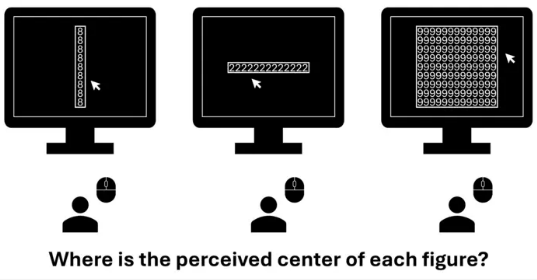
Object-Based Processing: Numbers Confuse How We Perceive Spaces

Researchers recently studied the relationship between numerical information in our vision, and...
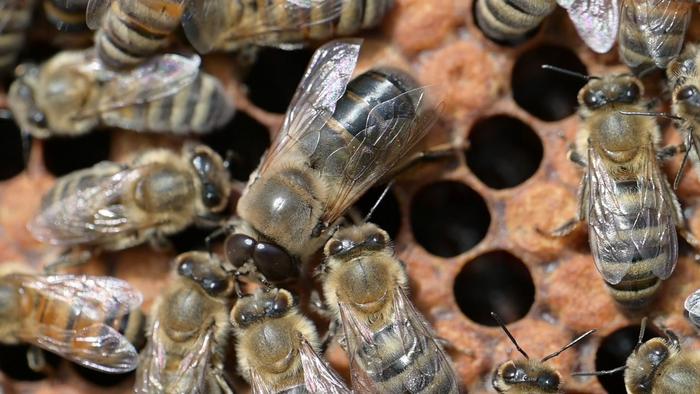
Males Are Genetically Wired To Beg Females For Food

Bees have the reputation of being incredibly organized and spending their days making sure our...

The Scorched Cherry Twig And Other Christmas Miracles Get A Science Look

Bleeding hosts and stigmatizations are the best-known medieval miracles but less known ones, like ...

$0.50 Pantoprazole For Stomach Bleeding In ICU Patients Could Save Families Thousands Of Dollars

The inexpensive medication pantoprazole prevents potentially serious stomach bleeding in critically...

User picture.
News StaffRSS Feed of this column.

News Releases From All Over The World, Right To You... Read More »

Blogroll

A semiconductor membrane designed by researchers at the University of Illinois could offer more flexibility and better electrical performance than biological membranes. Built from thin silicon layers doped with different impurities, the solid-state membrane also could be used in applications such as single-molecule detection, protein filtering and DNA sequencing.

“By creating nanopores in the membrane, we can use the membrane to separate charged species or regulate the flow of charged molecules and ions, thereby mimicking the operation of biological ion channels,” said lead researcher Jean-Pierre Leburton, the Stillman Professor of Electrical and Computer Engineering at Illinois.

Current strict environmental legislation demands advanced concepts to reduce the emission of harmful gasses by cars. Reducing the emission of nitrous oxides (NOx) emitted by diesel and lean-burn petrol engines is one of the challenges faced.

These economical engines produce exhaust fumes that are particularly rich in oxygen and therefore the conventional three-way catalytic converter is not suitable for converting the generated NOx into nitrogen. The current trend is therefore to add specific components such as barium to the catalytic converter to store the NOx formed.

Dutch researcher Karen Scholz has taken a careful look at the properties of a new type of catalytic converter.

A new University of Colorado at Boulder study shows people have the ability to suppress emotional memories with practice, which has implications for those suffering from conditions ranging from post-traumatic stress disorder to depression.

The study, which measured brain activity in test subjects who were trained to suppress memories of negative images, indicated two mechanisms in the prefrontal region of the brain were at work, said CU-Boulder doctoral candidate Brendan Depue, lead study author. The study may help clinicians develop new therapies for those unable to suppress emotionally distressing memories associated with disorders like post-traumatic stress disorder, phobias, depression, anxiety and obsessive-compulsive syndrome, he said.

Scientists have only recently begun to speculate that what’s referred to as “junk” DNA – the 96 percent of the human genome that doesn’t encode for proteins and previously seemed to have no useful purpose – is present in the genome for an important reason. But it wasn’t clear what the reason was. Now, researchers at the University of California, San Diego have discovered one important function of so-called junk DNA.

Genes, which make up about four percent of the genome, encode for proteins, “the building blocks of life.” An international collaboration of scientists led by Michael G.

An international team of researchers has documented a remarkable example of natural selection in a tropical butterfly species that fought back - genetically speaking - against a highly invasive, male-killing bacteria.

Within 10 generations that spanned less than a year, the proportion of males of the Hypolimnas bolina butterfly on the South Pacific island of Savaii jumped from a meager 1 percent of the population to about 39 percent.

NASCAR guys may be on to something. It turns out that drafting, even on busy highways, could cut congestion, save fuel and cut greenhouse gas emissions, according to research published today in the International Journal of the Environment and Pollution.

As populations grow and the number of vehicles on the roads in cities and motorways across Europe, North America and the developing world, rises, traditional ways of tackling the problem, such as simply building more roads or improving public transport are becoming less and less effective.

Automated highway systems are one of the many approaches that have been suggested to tackle the problems.





