Banner
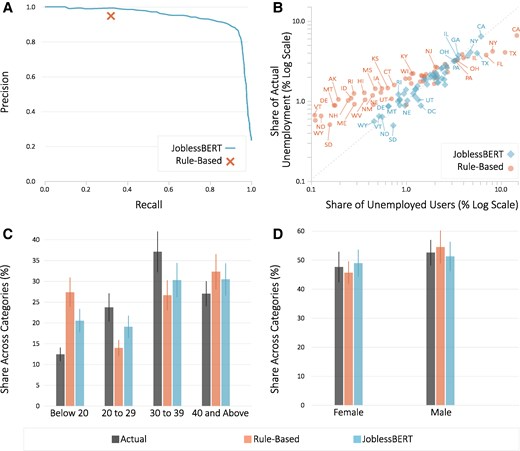
Social Media Is A Faster Source For Unemployment Data Than Government

Government unemployment data today are what Nielsen TV ratings were decades ago - a flawed metric...

Gestational Diabetes Up 36% In The Last Decade - But Black Women Are Healthiest

Gestational diabetes, a form of glucose intolerance during pregnancy, occurs primarily in women...
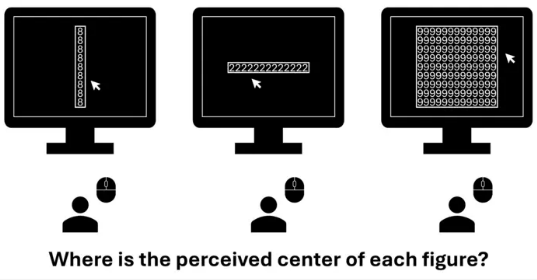
Object-Based Processing: Numbers Confuse How We Perceive Spaces

Researchers recently studied the relationship between numerical information in our vision, and...

Males Are Genetically Wired To Beg Females For Food

Bees have the reputation of being incredibly organized and spending their days making sure our...

User picture.
News StaffRSS Feed of this column.

News Releases From All Over The World, Right To You... Read More »

Blogroll

Fibrinogen, a blood-clotting protein found in circulating blood, has been found to inhibit the growth of central nervous system neuronal cells, a process that is necessary for the regeneration of the spinal cord after traumatic injury. The findings by researchers at the University of California, San Diego (UCSD) School of Medicine, may explain why the human body is unable to repair itself after most spinal cord injuries.

The study, led by Katerina Akassoglou, Ph.D., assistant professor in UCSD’s Department of Pharmacology, is the first evidence that when blood leaks into the nervous system, the blood protein contributes to the neurons’ inability to repair themselves.

The quality and size of electronic display screens may have gotten a lot better. We may also soon see erasable and rewritable electronic paper and ink that can change color electromagnetically, thanks to University of California, Riverside nanotechnologists who have succeeded in controlling the color of very small particles of iron oxide suspended in water simply by applying an external magnetic field to the solution.

The ingenious system called adaptive optics, known for its computer control of subdivided, individually angled mirrors, is an efficient but expensive way to correct distortions in laser beams. The mirrors automatically adjust until an undistorted beam is obtained in a way formerly thought unachievable by a single large mirror.

Now a Sandia National Laboratories’ tool that efficiently but inexpensively uses a single mirror to achieve some of the same effects has received a U.S. patent, issued June 12.

Freeloaders can live on the fruits of the cooperation of others, but their selfishness can have long-term consequences, reports an evolutionary biologist from The University of Texas at Austin in a new study.

“There is a historical dimension to cooperation,” says Dr. Sam Brown, the Human Frontier Science Foundation Fellow in the Section of Integrative Biology. “The act of a cooperator can continue to give benefits even after the cooperator is dead. Conversely, cheating will have consequences in the future.”

Two research studies published today in The New England Journal of Medicine found taking SSRIs (selective serotonin reuptake inhibitors), anti-depression drugs, during pregnancy did not significantly increase the overall risk for most birth defects. However, each study found that taking SSRIs during pregnancy was associated with a small increase in the risk of certain rare birth defects – but they were different birth defects.

Dr. Michael Katz, acting Medical Director of the March of Dimes, said the studies show how important post-market surveillance is in assessing the safety of medications in pregnancy. During pre-approval, drugs are tested on relatively few subjects and only side effects with a large frequency are detected.

A scientific indicator of how easily distracted you are has been designed by a UCL (University College London) psychologist. It could be used as another assessment tool during the recruitment process and would have particular benefits in fields where employee distraction could lead to fatal errors.

People who are more easily distracted are at greater risk of being involved in accidents.

Professor Nilli Lavie, UCL Psychology, who led the research published in Psychological Science, said: “When you are easily distracted, you are more liable to do things like put your keys in the fridge or call out ‘come in’ when answering the phone. These are the more amusing consequences of distraction but distraction can have more serious implications.