
Banner
Social Media Is A Faster Source For Unemployment Data Than Government

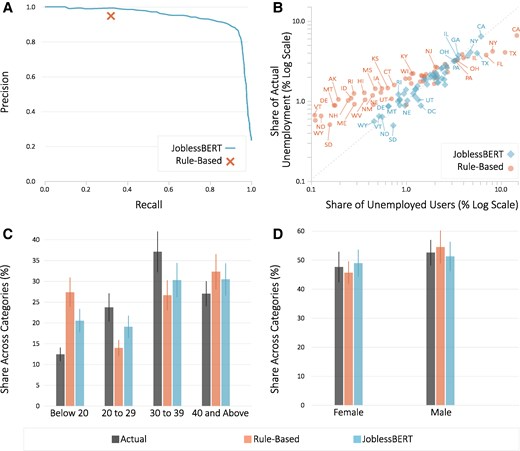
Government unemployment data today are what Nielsen TV ratings were decades ago - a flawed metric...
Gestational Diabetes Up 36% In The Last Decade - But Black Women Are Healthiest

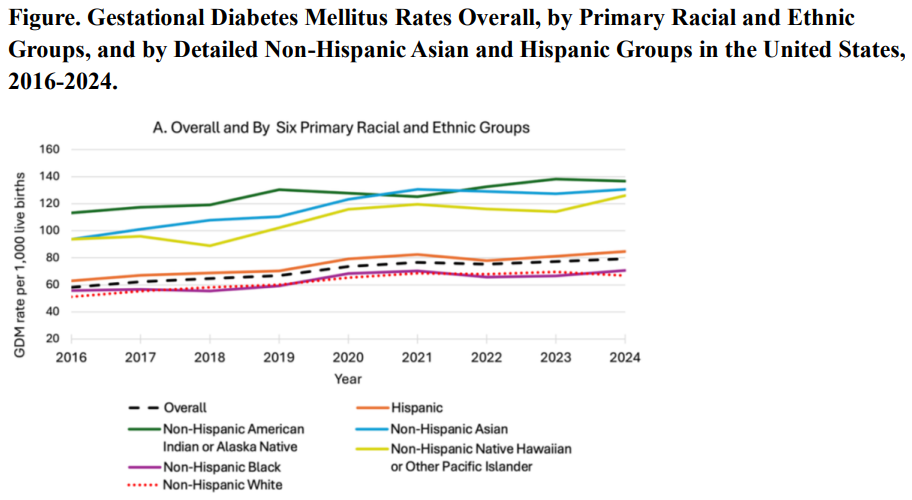
Gestational diabetes, a form of glucose intolerance during pregnancy, occurs primarily in women...

Object-Based Processing: Numbers Confuse How We Perceive Spaces

Researchers recently studied the relationship between numerical information in our vision, and...

Males Are Genetically Wired To Beg Females For Food

Bees have the reputation of being incredibly organized and spending their days making sure our...

User picture.
News StaffRSS Feed of this column.

News Releases From All Over The World, Right To You... Read More »

Blogroll

It doesn't get more self-explanatory than that, does it?

Researchers in Slovakia have been able to derive mesenchymal stem cells from human adipose, or fat, tissue and engineer them into “suicide genes” that seek out and destroy tumors like tiny homing missiles. This gene therapy approach is a novel way to attack small tumor metastases that evade current detection techniques and treatments.

“These fat-derived stem cells could be exploited for personalized cell-based therapeutics,” said the study’s lead investigator, Cestmir Altaner, Ph.D., D.Sc., an associate professor in the Cancer Research Institute of the Slovak Academy of Sciences in Bratislava.

Anyone can buy a suit that fits - but elite geeks are going to own clothes embedded with tiny electronics that can monitor heart and respiratory functions wirelessly. After three days, whether it needs it or not, they can take it off and throw it in the wash.

At least that's the future researchers from the University of South Australia envision. They have been using integrated electronic technology to develop smart garments that, when placed on electronic hangers, enable monitored data to be downloaded in a heartbeat to a computer in your wardrobe, and then be recharged ready for wearing.

Artificially replicating the male genome could help men with very low sperm counts become fathers, a scientist told the 23rd annual conference of the European Society of Human Reproduction and Embryology (Tuesday 3 July). Professor Takumi Takeuchi, of Weill Medical College, Cornell University, New York, USA, said that mouse experiments by his team, led by Professor Gianpiero D. Palermo, had shown that offspring born as a result of such replication had shown a level of abnormalities consistent with that shown in cloned animals.

Hundreds of thousands of vibrant blue and red stars are visible in this new image of galaxy NGC 4449 taken by the NASA/ESA Hubble Space Telescope. Hot bluish white clusters of massive stars are scattered throughout the galaxy, interspersed with numerous dustier reddish regions of current star formation. Massive dark clouds of gas and dust are silhouetted against the flaming starlight.

NGC 4449 has been forming stars since several billion years ago, but currently it is experiencing a star formation event at a much higher rate than in the past. This unusual explosive and intense star formation activity qualifies as a starburst.

A Cardiff University research collaboration is working to recycle precious metals from road dusts and vehicle exhausts to create greener energy.

The innovative research by scientists from the School of Earth, Ocean and Planetary Science working with the University of Birmingham is to be featured at the Royal Society Summer Science Exhibition (2-5 July).

Catalytic converters which keep exhaust pollutants from vehicles down to an acceptable level all use platinum, however over the years the platinum is slowly lost through exhaust pipes. Dr Hazel Prichard, School of Earth Ocean and Planetary Science estimates that many kilogrammes of platinum is being sprayed onto streets and roads every year.

Forget expensive moisturisers and cosmetic surgery, a compound found in the humble elderberry could give a natural boost to skin.

In the first study of its kind, a team of researchers led by Prof Aedin Cassidy at the University of East Anglia and Dr Paul Kroon at the Institute of Food Research, will explore whether the skin’s condition is improved by a compound which gives berries their vibrant colour (called ‘anthocyanin’).






